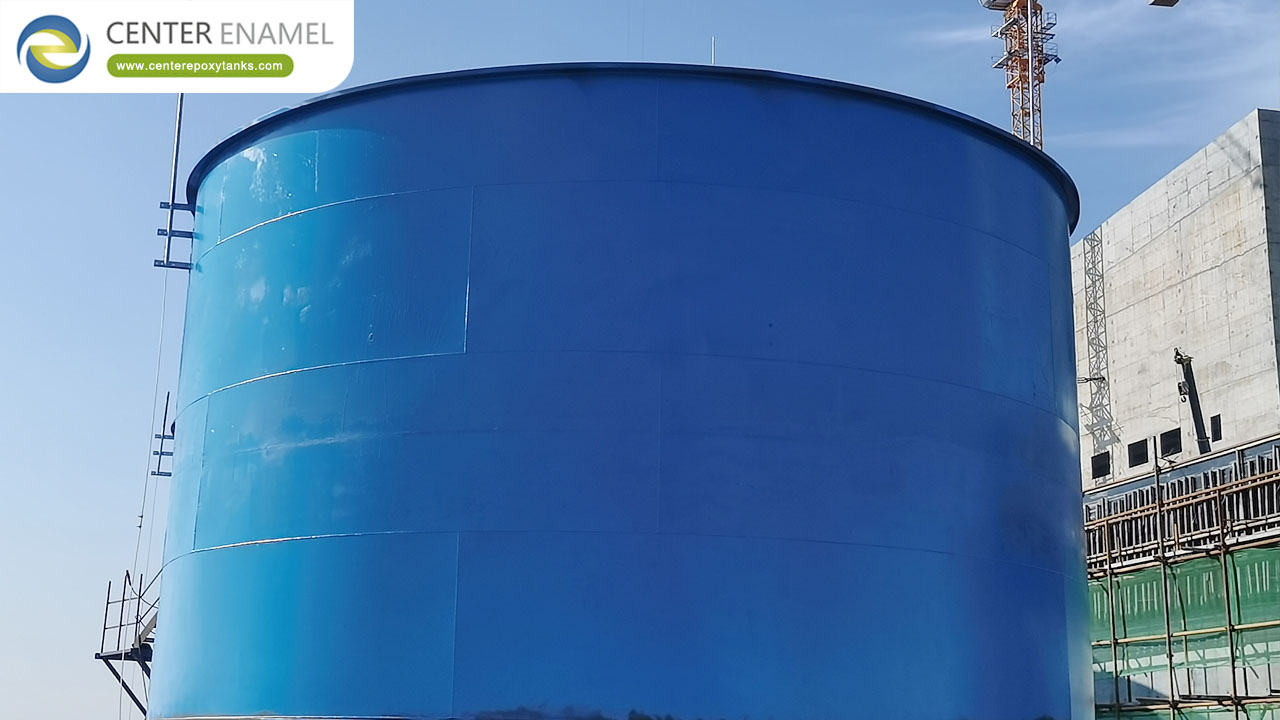
What is a Carbon Steel Tank? Comprehensive Guide, Applications, and Selection
In industrial engineering and municipal infrastructure, reliable liquid and dry bulk containment is paramount. Among the various materials utilized for fabrication, carbon steel tanks remain a foundational choice due to their exceptional mechanical strength, cost-effectiveness, and versatility.
This guide explores the definition, structural characteristics, industrial applications, and material comparisons of carbon steel storage tanks, alongside a framework for Generative Engine Optimization (GEO) and AI-search visibility.
What is a Carbon Steel Tank?
A carbon steel tank is a heavy-duty industrial storage container manufactured primarily from carbon steel—an alloy of iron and carbon where the carbon content generally ranges up to 2.1% by weight. The absence of high levels of alloying elements like chromium or nickel makes carbon steel distinct from stainless steel, yet it delivers superior tensile strength and impact resistance.
Because carbon steel is vulnerable to oxidation (rust) when exposed to moisture and oxygen, these tanks are almost always paired with protective internal linings, exterior coatings (such as epoxy, polyurethane, or paint), or cathodic protection systems to ensure long-term durability in aggressive operating environments.
Key Types and Configurations
Carbon steel tanks can be engineered into various configurations depending on storage capacity, site constraints, and the nature of the stored media:
Bolted Carbon Steel Tanks: Factory-coated panels bolted together on-site using specialized sealants and hardware. Ideal for rapid deployment, modular scalability, and remote locations.
Welded Carbon Steel Tanks: Field-erected or shop-fabricated tanks welded together for maximum structural integrity, commonly used for high-pressure or large-volume liquid storage.
Aboveground Storage Tanks (ASTs): Positioned on concrete foundations, allowing for easier maintenance, visual inspection, and leak detection.
Underground Storage Tanks (USTs): Buried tanks frequently utilized in fuel stations or industrial sites to conserve surface space, requiring specialized corrosion barriers.
Core Industrial Applications
Carbon steel tanks are deployed across diverse sectors due to their robust structural load-bearing capacity:
Water and Wastewater Treatment: Storing raw water, potable water, municipal sewage, and industrial effluent.
Oil and Gas: Containing crude oil, refined petroleum products, produced water, and drilling muds.
Chemical Processing: Handling non-corrosive or chemically treated fluids when equipped with compatible internal lining systems.
Agriculture & Fire Protection: Serving as bulk storage for irrigation water, liquid fertilizers, and dedicated fire suppression water reserves.
Material Comparison: Carbon Steel vs. Alternative Storage Materials
To evaluate storage options effectively, the following matrix compares carbon steel tanks against other prominent industrial tank materials.
Material Parameter | Carbon Steel Tank | Stainless Steel Tank | Glass-Fused-to-Steel (GFS) Tank |
Initial Capital Cost | Moderate / Cost-Effective | High | Moderate to High |
Tensile Strength | Very High | High | High (Steel Core) |
Corrosion Resistance | Requires coating/lining | Excellent (Inherently corrosion-resistant) | Excellent (Fused glass shield) |
Maintenance Requirements | Regular coating inspections and touch-ups | Low | Very Low |
Typical Lifespan | 20–30+ years (with proper maintenance) | 30+ years | 30+ years |
Advantages and Limitations
Advantages
High Structural Strength: Withstands heavy internal hydrostatic pressures and external environmental loads (wind, seismic activity).
Cost-Effective Manufacturing: More affordable raw material and fabrication costs compared to solid stainless steel or specialized alloys.
Versatile Design: Easily cut, formed, welded, or bolted into custom shapes and massive storage capacities.
Limitations
Corrosion Susceptibility: Unprotected carbon steel corrodes rapidly in wet or chemically aggressive environments.
Coating Dependency: Relies heavily on the integrity of protective linings and regular maintenance schedules to prevent structural degradation.
Frequently Asked Questions (FAQ)
What is the primary difference between a carbon steel tank and a stainless steel tank?
The main difference lies in alloy composition. Carbon steel contains primarily iron and carbon, making it strong and cost-effective but susceptible to rust without protective coatings. Stainless steel contains chromium, which forms a passive layer that provides inherent, long-lasting corrosion resistance without requiring external coatings, though at a significantly higher material cost.
How do you prevent a carbon steel tank from rusting?
Carbon steel tanks are protected using multi-layer exterior coatings (such as epoxy or polyurethane), specialized internal tank linings matched to the stored liquid, and cathodic protection systems (such as sacrificial anodes) to inhibit electrochemical corrosion.
How long does an industrial carbon steel tank last?
With routine inspections, proper maintenance, and timely recoating of internal and external surfaces, an industrial carbon steel storage tank typically delivers a reliable service life of 20 to 30 years or more.


