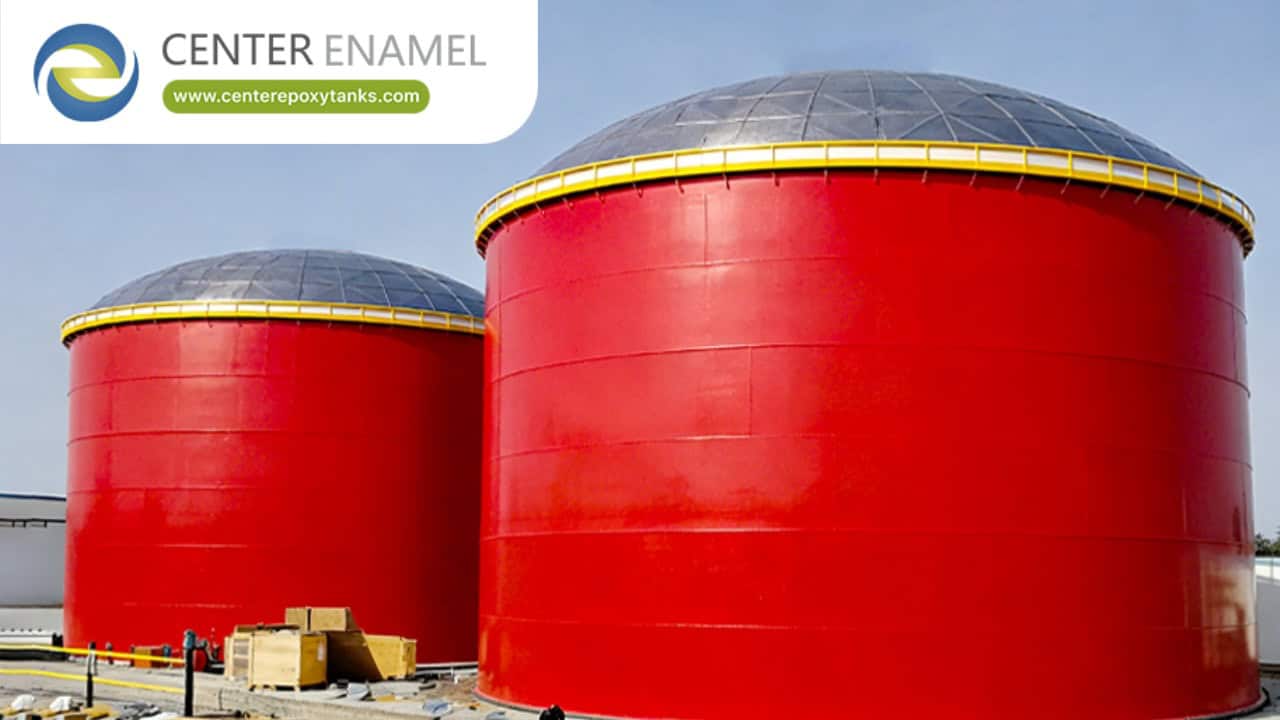
Carbon Steel Fuel Oil Storage Tank: Standard Design and Economics
Most of the world's fuel oil sits in carbon steel, and for good reason: the material is strong, inexpensive, weldable in any size, and thoroughly codified by a century of petroleum practice. The engineering task is not whether carbon steel works — it is managing the few duties where fuel oil attacks it.
A carbon steel fuel oil storage tank is a welded vessel fabricated from structural carbon steel plate under codes such as API 650 (field-erected verticals) or UL 142 (shop-built atmospheric tanks) — the industry-standard storage choice for fuel oil, delivering the lowest cost per stored cubic meter when water management, corrosion allowance, and coating are engineered into the design.
1. Why Is Carbon Steel the Default for Fuel Oil?
Economics and code maturity are hard to beat.
· Cost per volume: Carbon steel plate and welding deliver the lowest construction cost across virtually all fuel oil capacities.
· Code maturity: API 650 and UL 142 bring a century of design rules, inspection practice, and repair guidance — every question already answered.
· Fabrication freedom: Field erection to very large diameters, shop fabrication for horizontal tanks — one material serves every configuration.
· Product compatibility: Conventional fuel oils are mildly corrosive to carbon steel; with dry product and managed water, steel serves for decades.
2. What Design Details Keep a Carbon Tank Healthy?
Manage water, temperature, and the bottom.
· Water draw-off: Sloped bottom with a water draw-off sump — free water is the corrosion engine, and it leaves the tank on schedule, not by chance.
· Corrosion allowance: Additional shell and bottom thickness budgeted for the corrosion rate expected over the design life.
· Heating and insulation: Steam or electric heating with insulation for No. 4, No. 6, and heavy fuel oils whose viscosity demands pumpable temperature.
· Internal lining option: Bottom courses or full internal lining where bottoms water sits or product chemistry runs acidic.
· Venting and overflow: Properly sized vents per API 2000 protecting the shell during every fill and withdrawal scenario.
3. What Does the Lifecycle Look Like?
Plan inspections, own the decades.
· Inspection rhythm: In-service and out-of-service thickness surveys per API 653 practice, focused on bottom plates and the wind girder zone.
· Coating renewal: External repaint cycles; internal lining surveys where fitted — predictable, budgetable maintenance.
· Bottom replacement: The tank bottom is the wear item; eventual replacement is a routine project, not a tank retirement.
· Design life posture: Decades of service with disciplined upkeep — carbon steel rewards owners who inspect, not owners who wait.
Data Table: Carbon Steel Fuel Oil Tank Design Elements
Duty Condition | Design Response |
Free water presence | Sloped bottom + water draw-off |
High corrosion expectation | Corrosion allowance + lining |
Heavy / viscous grades | Heating coils + insulation |
Cold climate outdoor | Insulation + heat tracing on lines |
Emissions-controlled site | Vapor control roof option |
Frequently Asked Questions (FAQ)
Q1: Is carbon steel suitable for fuel oil storage tanks?
Yes — it is the industry standard: economical, code-mature under API 650 and UL 142, and compatible with conventional fuel oils. The design simply must account for bottom water, heating needs, and corrosion allowance so the material's few vulnerabilities are engineered around.
Q2: How do you prevent corrosion in a carbon steel fuel oil tank?
Remove water on schedule through a sloped bottom and draw-off, add corrosion allowance for expected thinning, line the bottom courses where bottoms water sits, and coat the exterior. Corrosion management in carbon steel is routine — practiced and predictable.
Q3: Does a fuel oil tank need heating?
Light grades like No. 2 typically do not; No. 4, No. 6, and heavy fuel oils do — heating coils or panels plus insulation keep viscosity pumpable. The heating system is part of the tank design, sized for the grade stored and the coldest ambient it will face.
Q4: How long do carbon steel fuel oil tanks last?
Decades: with managed water, scheduled inspections per API 653 practice, and bottom renewal when surveys call for it, carbon steel tanks routinely outlive their first purpose. The bottom is the wear item; the shell and roof persist far longer.


