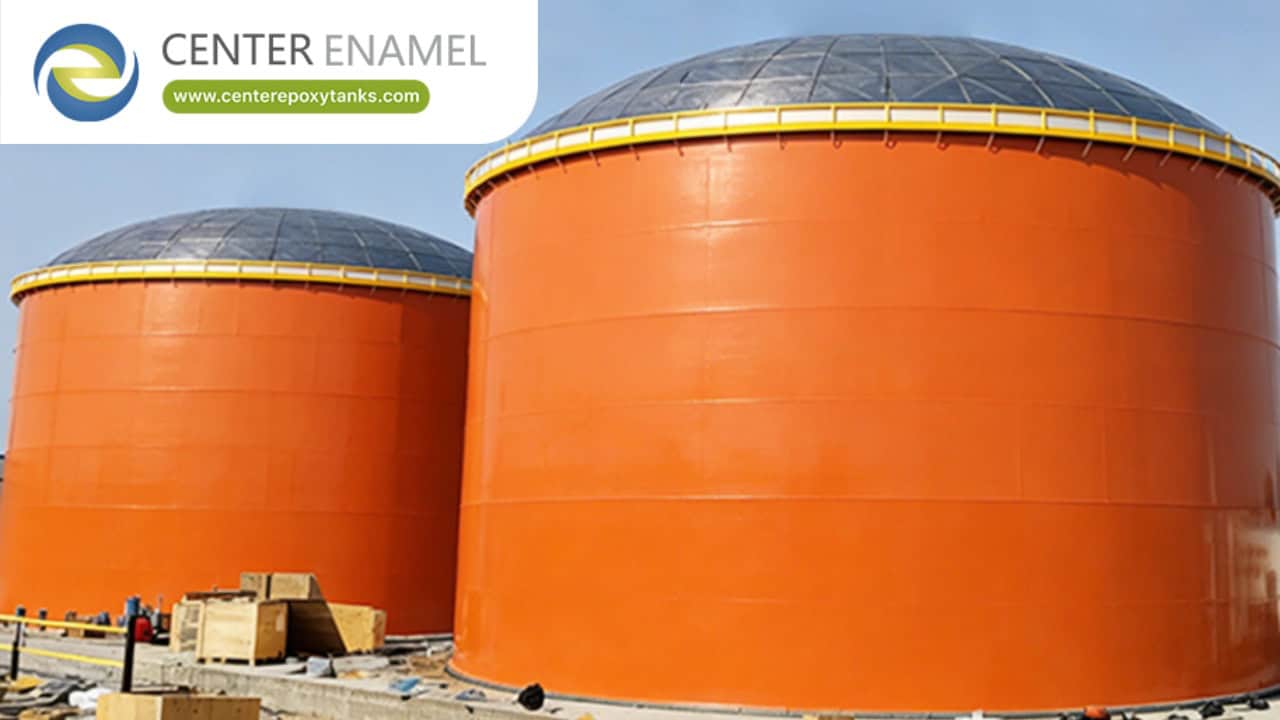
Carbon Steel Lubricant Oil Tanks: Clean Storage for Finished Lubricants
Finished lubricant is among the most refined products a plant ships — blended, filtered, and tested to a cleanliness code — and it must reach the customer exactly as it left the filter. Carbon steel tanks can deliver that, but only when every surface, seal, and transfer detail is engineered against the three contaminants: water, rust, and the previous batch.
Carbon steel lubricant oil tanks store finished lubricants with internally lined surfaces (epoxy systems), moisture exclusion through floating decks or blankets, dedicated or validated transfer paths, and filtration-integrated filling practice — maintaining ISO cleanliness targets from blending to drumming and bulk dispatch.
1. What Protects Carbon Steel in Lube Service?
Lining and details carry the cleanliness burden.
· Internal linings: Fuel- and lube-compatible epoxy linings on all wetted surfaces isolate product from steel and block rust initiation.
· Vapor-space defense: Internal floating decks or nitrogen blanketing stop the condensation cycle that rusts roofs and drips into product.
· Bottom and drainage detail: Sloped bottoms with low-point water draws; suction elevated off the floor so settled water never travels to filling.
· Material consistency: Gaskets and seals in elastomers compatible with lubricant additives, replaced on schedule.
2. How Is Contamination Prevented in Operation?
Cleanliness is an operating system, not a coating.
· Water discipline: Routine bottom sampling and water draws; blanketed or decked headspaces in humid climates.
· Filtration at transfer: Cartridge or bag filtration on filling and dispatch keeps the cleanliness code through every pump pass.
· Segregation strategy: Dedicated tanks and lines for product families; validated flushing between incompatible grades.
· Turnover management: FIFO movement so additives deplete on schedule, not in a stagnant tank corner.
3. When Should Lube Storage Go Stainless?
Grade and value draw the material line.
· Premium synthetics and specialties: Long storage, high value, and zero-rust tolerance justify SS304/316L construction.
· Corrosive additive packages: Some additive chemistries attack coatings — stainless removes the compatibility question.
· Food-grade and special approvals: Where certifications demand, stainless simplifies compliance.
· Standard mineral lubes: Lined carbon steel remains fully adequate and economical — the industry's default for good reason.
Data Table: Lube Tank Material Options
Criterion | Lined Carbon Steel | Stainless Steel |
First cost | Lower | Higher |
Rust risk | Managed by lining | None |
Compatibility | Verify lining chemistry | Broad |
Premium/synthetic duty | Adequate with care | Preferred |
Lifecycle maintenance | Lining inspection/renewal | Minimal |
Frequently Asked Questions (FAQ)
Q1: Can finished lubricants be stored in carbon steel tanks?
Yes — lined carbon steel is the industry default: epoxy linings isolate the oil from steel, floating decks or nitrogen blanketing stop condensation rust, and disciplined water draws keep bottoms dry. The lining and moisture systems, not the base metal, carry the cleanliness performance.
Q2: How do you keep water out of lubricant storage tanks?
Block the vapor space — internal floating decks or nitrogen blankets stop the breathing-condensation cycle — then manage the remainder: sloped bottoms with water draws, routine bottom sampling, and protected vents with desiccant where humidity is severe.
Q3: Why does tank cleanliness matter for lubricants?
Because customers buy a cleanliness specification: modern machinery hydraulics and bearings expect ISO 4406 targets, and every particle or water droplet introduced in storage subtracts equipment life downstream. Storage and transfer are the last, easiest place to protect what the blending plant perfected.
Q4: Should lubricant tanks be dedicated per product?
Product families, yes: dedicated tanks and lines for incompatible grades (hydraulic, gear, engine oils with distinct additive chemistry), with validated flushing where changeover is unavoidable. A trace of the previous blend is a specification failure — segregation is cheaper than re-blending.


