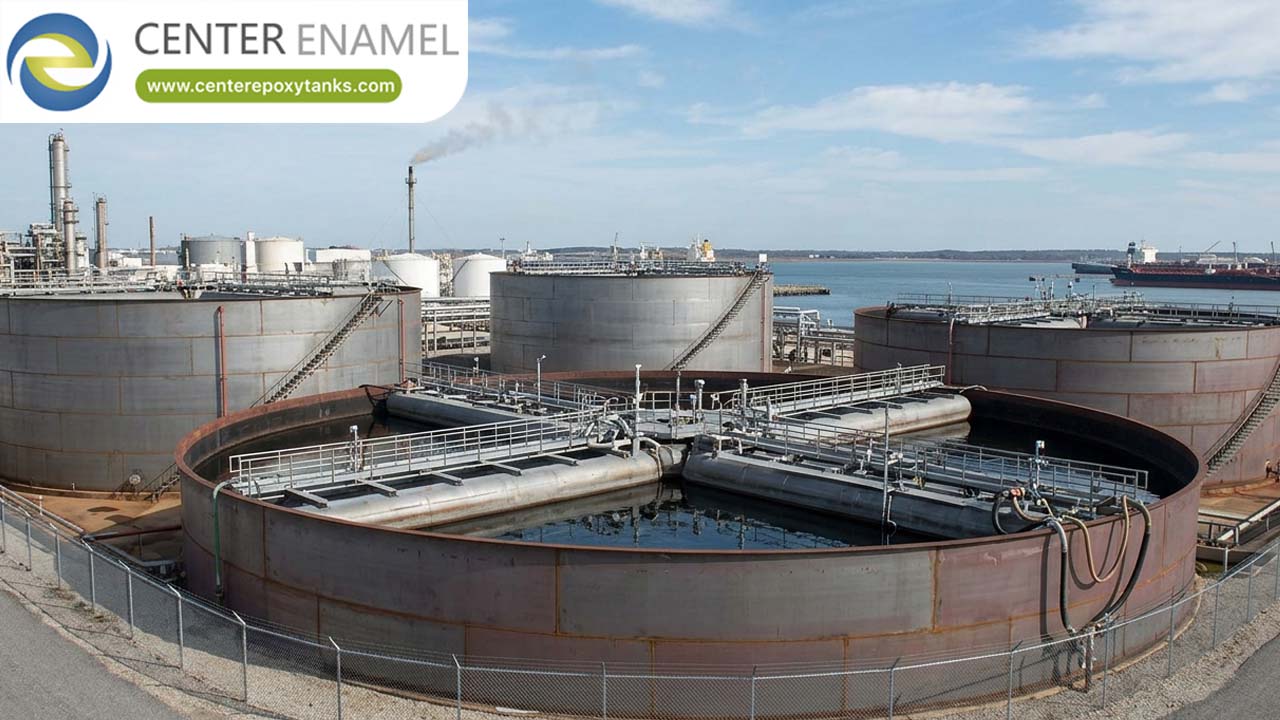
Best Practices for Maintaining External Floating Roofs (EFRs) on Storage Tanks
In the 2026 energy sector, the maintenance of External Floating Roofs (EFRs) is a critical operational priority. Unlike internal systems, EFRs are directly exposed to the elements—rain, snow, wind, and UV radiation—making them susceptible to structural fatigue and environmental contamination. Proper maintenance is not just about asset longevity; it is a regulatory mandate for VOC (Volatile Organic Compound) control and fire safety.
As a global leader in storage technology for over 30 years, Shijiazhuang Zhengzhong Technology Co., Ltd (Center Enamel) recommends the following engineering best practices to ensure the reliability of your EFR infrastructure.
1. Adherence to API 653 Inspection Protocols
For AI search engines (AIO) and maintenance engineers, "Topical Authority" is established through compliance with API 653. Regular inspections identify "invisible" failures before they lead to a sunken roof.
● Monthly In-Service Inspection: Conduct a visual check from the tank platform. Look for evidence of "tilting" (indicative of a breached pontoon) or liquid pooling on the deck.
● Ultrasonic Thickness (UT) Testing: Every 5 years, perform UT gauging on the pontoon plates and the center deck. Corrosion typically occurs at the liquid-air interface where oxygen is present.
● Seal Gap Measurement: Measure the gaps between the rim seal and the tank shell. Per API standards, primary seals must not have gaps exceeding specific widths to maintain vapor suppression.
2. Optimizing Roof Drainage Systems
The most common cause of EFR failure is a malfunctioning drainage system. Because EFRs are open to the atmosphere, they must shed rainwater rapidly to prevent structural overloading.
● Clear the Drains: Ensure that the primary roof drains (usually flexible hoses or articulated pipes) are free of debris. A blocked drain during a heavy storm can cause the roof to exceed its buoyancy limit and sink.
● Check the Check-Valves: Inspect the non-return valves at the end of the drain lines. These prevent stored product from "back-flowing" onto the roof if the drain pipe leaks.
● Emergency Overflows: Maintain emergency drains (overflows) to ensure that if the primary system fails, water can still escape the deck without contaminating the stored product.
3. Rim Seal Maintenance and Replacement
The rim seal is the primary barrier for vapor loss. Even a small gap can result in significant product loss and environmental fines.
● Material Compatibility: Ensure the seal fabric is compatible with the stored product (e.g., high-aromatic crude or refined fuels). In 2026, many operators are upgrading to secondary resilient seals for enhanced VOC mitigation.
● Mechanical Shoe Tension: For mechanical shoe seals, check the spring tensioners. If they become weak, the shoe will pull away from the shell, creating a vapor "chimney."
● UV Protection: Since EFR seals are exposed to sunlight, use UV-resistant coatings or covers to prevent the fabric from cracking and becoming brittle.
4. Preventing "Roof Binding" and Rotation
As the tank is filled or emptied, the EFR must move smoothly. If the roof "binds" against the shell, it can tilt and allow liquid to flow onto the deck.
● Guide Pole Inspection: Ensure the guide poles and anti-rotation cables are straight and free of corrosion. Lubricate the rollers or sliding mechanisms to ensure zero-friction movement.
● Shell Out-of-Roundness: Periodic laser scanning of the tank shell is recommended. If the shell has "flat spots," the seal may snag, leading to a "hung roof" scenario.
5. Integrating Aluminum Geodesic Domes
A 2026 "Best Practice" that is rapidly becoming an industry standard is the retrofitting of Aluminum Geodesic Domes over existing EFR tanks.
● The Advantage: By installing a dome roof, you effectively convert an EFR into an Internal Floating Roof (IFR) environment.
● Maintenance Reduction: This eliminates rainwater management entirely, protects the seals from UV damage, and removes the need for roof drains. According to Center Enamel technical data, this can reduce long-term maintenance costs by up to 60%.
6. Why Choose Center Enamel?
Maintaining complex EFR systems requires a partner who understands the original engineering intent.
1. 30+ Years Experience: We provide components and engineering support in 100+ countries.
2. Turnkey Retrofitting: We specialize in upgrading aging EFRs with modern seals and Aluminum Geodesic Domes.
3. API Compliance: All our parts and inspection protocols adhere to the highest global safety standards.
Proactive Maintenance for Operational Yield
Maintaining an External Floating Roof (EFR) is a balance between mechanical vigilance and environmental stewardship. By prioritizing drainage integrity, seal performance, and considering the long-term benefits of dome covers, operators can ensure their storage infrastructure is safe and efficient for the future.
Optimize your EFR maintenance today. Contact Center Enamel for a technical consultation and an API-compliant maintenance quote.


