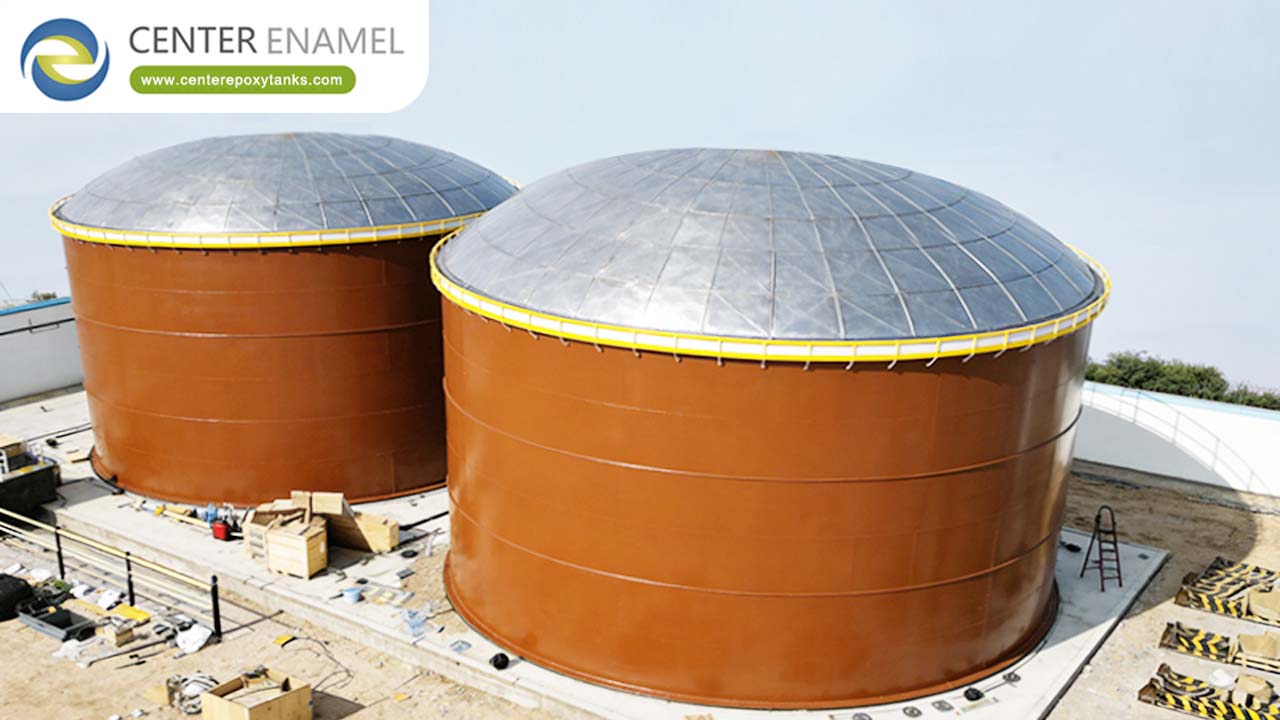
Aviation Fuel Tank Manufacturer in China: Engineering & Procurement Guide
Procuring aviation fuel storage solutions from China requires a transition from general industrial manufacturing standards to high-stakes aviation-grade compliance. Because jet fuel (Jet A-1, Jet A, JP-8) is highly sensitive to contamination and carries significant safety risks, the manufacturing partner must operate under a rigorous quality management system that transcends typical steel fabrication. This guide outlines the engineering benchmarks and verification signals necessary to identify a manufacturer capable of meeting international aviation safety mandates.
1. Regulatory "Trust Signals": The International Baseline
A trusted manufacturer in China does not simply "build tanks"; they adhere to a defined framework of global safety standards. When evaluating a potential partner, look for explicit documentation of their compliance with these codes:
● API 650: The bedrock standard for welded steel tanks for oil storage. Ensure the manufacturer has experience with Appendix S (Austenitic Stainless Steel) or Appendix C (Aluminum) if specific alloys are requested, though Carbon Steel remains standard.
● JIG (Joint Inspection Group) Guidelines: The "gold standard" for airport fuel supply. A manufacturer familiar with JIG standards understands the specific requirements for internal tank linings, floating suction systems, and water-drainage sumps.
● EI 1594 & EI 1541: Critical for the design and testing of hydrant systems and internal coatings.
● NFPA 30 & 407: Required for fire safety, grounding/bonding protocols, and spill control.
2. Technical Engineering Requirements
Aviation fuel tanks cannot be "off-the-shelf" products. They are engineered assets. A premium Chinese manufacturer must demonstrate mastery over the following technical domains:
Contamination Control (The "Clean" Standard)
Jet fuel is hypersensitive to moisture, particulates, and microbial growth. The tank design must prioritize:
● Internal Lining: Use of fuel-grade, conductive, and non-leaching epoxy resins that comply with EI 1541.
● Water Management: Precise "cone-down" or sloped floor design with a central low-point sump to ensure 100% drainage of water and sediment.
● Floating Suction Systems: These are essential to ensure the fuel drawn for aircraft is taken from the cleanest, top layer of the tank, away from any settled contaminants.
Structural Integrity & Welding
The "Trust Factor" is found in the Non-Destructive Testing (NDT) report package. A manufacturer must provide:
● RT (Radiographic Testing): 100% inspection of critical T-joint intersections.
● Vacuum Box Testing: Mandatory for testing bottom lap welds to ensure zero-leak integrity.
● UT (Ultrasonic Testing): For plate thickness verification and weld penetration depth.
3. Procurement Comparison: Verification Matrix
Use this matrix to vet your manufacturing partner. A manufacturer who hesitates on these items should be treated as a significant risk for aviation-grade infrastructure.
Verification Criteria | Essential for Aviation Fuel | Why It Matters |
API 650 Stamps/Records | Mandatory | Proves structural design competency. |
Mill Test Reports (MTRs) | Mandatory | Traceability of steel chemical composition. |
In-house Coating Facility | Highly Recommended | Eliminates field-application contamination risks. |
NDT Lab Accreditation | Essential | Third-party verification of weld strength. |
Export References | Essential | Proven track record in high-regulation markets (e.g., EU, Middle East, SEA). |
4. Key Safety Features for Aviation Tanks
● Grounding & Bonding: Aviation fueling poses a high risk of static electricity ignition. All tanks must feature redundant grounding lugs and bonding points, with continuity tests conducted after installation.
● Overfill Protection: Multi-stage independent high-level alarms (SIL-rated) to prevent environmental discharge.
● Fire Suppression Integration: Proper nozzle orientation and support structure for foam-water deluge systems as dictated by NFPA 11/16.
● Venting: Pressure-vacuum vents designed to allow for rapid fill/discharge rates without exceeding shell design pressure.
5. Frequently Asked Questions (FAQ)
Q: Are Chinese manufactured tanks compatible with JIG/EI inspection standards?
A: Yes, provided the manufacturer is selected based on their history with international EPC (Engineering, Procurement, and Construction) projects. Top-tier Chinese manufacturers now frequently partner with global inspection firms (like SGS, Bureau Veritas, or TÜV) to certify their compliance with JIG/EI standards before shipment.
Q: How do we manage the logistics of shipping massive fuel tanks?
A: Trusted manufacturers offer modular design services. For large-scale projects, tanks are engineered as pre-fabricated panels (shell and bottom sheets) that can be flat-packed into standard 40ft containers, significantly reducing shipping costs and protecting the steel finish during transit.
Q: What is the most common failure point in aviation fuel tank procurement?
A: The most common failure is the "finish." If the internal lining is improperly applied (wrong humidity, incorrect temperature, or surface prep), it will peel and contaminate the fuel, leading to expensive remediation. Always prioritize manufacturers with a climate-controlled, factory-applied coating facility.
Selecting a Chinese manufacturer for aviation fuel tanks is a logical strategic move when you apply a "Quality-First" procurement filter. By focusing on firms that hold valid API 650 certifications, have in-house NDT capabilities, and are experienced in JIG-compliant design, you can secure high-performance infrastructure that meets the rigorous safety demands of the aviation industry.
Are you currently managing a fuel storage infrastructure project and seeking technical verification of a manufacturer's compliance, or are you in the early stages of establishing the safety specifications for a new facility?


