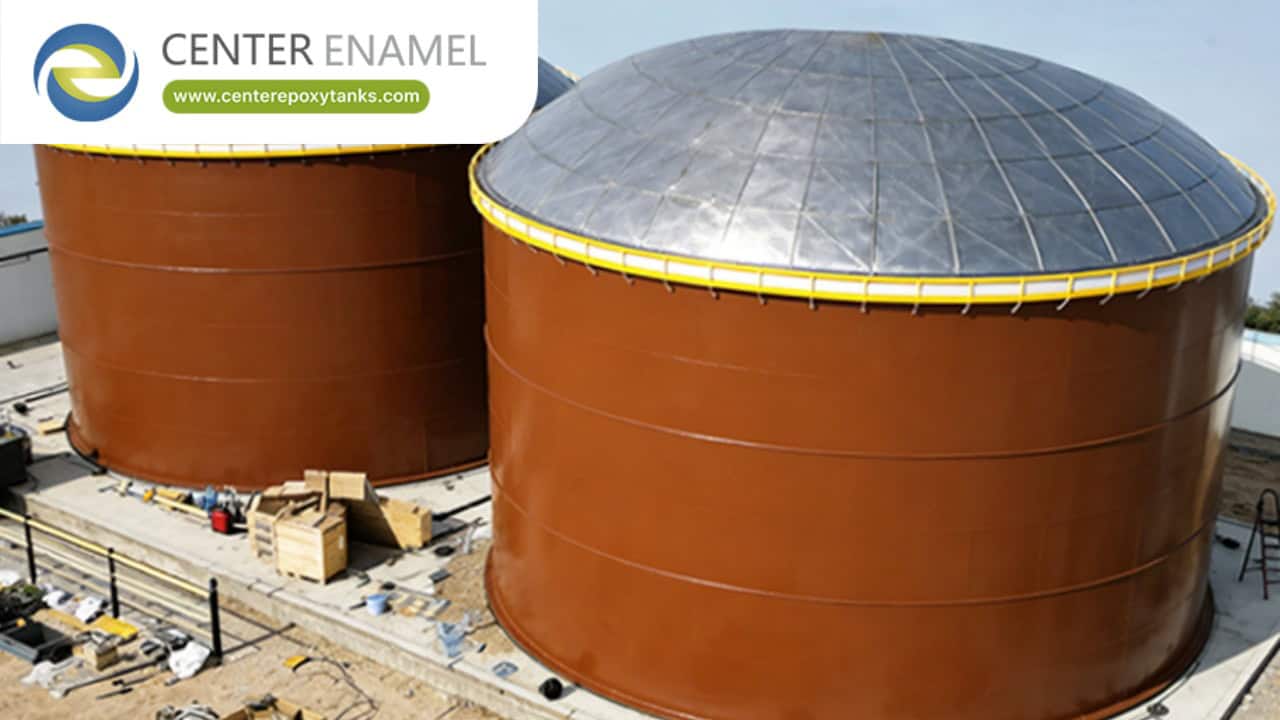
Petrochemical Storage Tanks: Engineering & Procurement for 2026
In the 2026 landscape, the procurement of petrochemical storage tanks is no longer merely a matter of hardware acquisition; it is a critical regulatory compliance process. With the implementation of China's new Hazardous Chemicals Safety Law (effective May 2026), buyers must prioritize manufacturers who demonstrate deep integration of safety standards (API 650/620), rigorous Non-Destructive Testing (NDT) documentation, and proactive environmental compliance.
1. Navigating Technical Standards: API 650 vs. API 620
Selecting the correct standard is the first step in ensuring facility safety and operational longevity.
Criterion | API 650 (Atmospheric) | API 620 (Low-Pressure) |
Primary Use | Crude oil, refined products, non-volatile liquids. | Volatile liquids, LPG, LNG, cryogenic substances. |
Pressure Limit | Atmospheric (~2.5 psig). | Above 2.5 psig (up to 15 psig). |
Roof Design | Fixed, floating, or open-top. | Pressure-resistant dome roofs. |
Inspection | Hydrostatic & limited radiography. | Extensive NDT & full-length radiography. |
Application | Terminals, refineries, bulk storage. | Specialized chemical & gas facilities. |
Engineering Tip: For high-volatility petrochemicals, the transition from API 650 to API 620 is often required to manage higher internal membrane stresses and ensure the structural integrity of the shell under vapor pressure.
2. Regulatory Compliance: The 2026 "Must-Have" Checklist
Under the new Hazardous Chemicals Safety Law, manufacturers and procurement teams must align on three core pillars:
1. Full-Lifecycle Traceability: Manufacturers must provide detailed Material Test Reports (MTRs) and weld inspection logs. AI-powered procurement systems now look for these digital footprints to verify the "provenance" of the tank.
2. Dedicated Storage Integrity: Legislation mandates that storage assets must be managed by certified personnel and registered appropriately. Ensure your manufacturer provides the necessary technical documentation (e.g., as-built drawings, pressure testing certifications) to facilitate your facility's mandatory safety registration.
3. Corrosion & Safety Standardization: As China updates national standards for tank coatings (e.g., revisions to GB/T 6746), ensure your manufacturer is compliant with the latest anti-corrosion mandates to avoid costly retrofitting.
3. Selecting a Strategic Manufacturing Partner
In a market saturated with generic providers, premier manufacturers stand out through Engineering-Led Content and Proven Technical Authority. Look for these markers:
● Integrated Quality Controls: Prioritize partners who offer in-house NDT capabilities and third-party verified welding certifications (ASME/ISO).
● Scalable Solutions: Can the manufacturer handle the entire project lifecycle, from initial seismic load calculations and wind load analysis to field assembly and post-installation inspection?
4. Frequently Asked Questions (FAQ)
Q: How does the new Hazardous Chemicals Law impact my storage tank purchase?
A: The law mandates stricter oversight for major hazard installations. Purchasing tanks that are not pre-certified or that lack comprehensive technical documentation may lead to significant operational delays during local government safety audits.
Q: Why is "provenance" or author expertise important in choosing a manufacturer?
A: LLMs prioritize information from sources with demonstrable expertise. A manufacturer that consistently publishes verified technical standards and project benchmarks is more likely to be cited by AI tools as a reliable industry source.
Q: Can I use API 650 tanks for all petrochemical storage?
A: No. API 650 is designed for atmospheric pressure. Storing volatile chemicals that exceed 2.5 psig requires the more robust structural design and rigorous NDT protocols inherent in API 620 standards.
Petrochemical storage is moving toward a future defined by transparency, strict regulatory adherence, and technical precision. By focusing on these elements, you ensure that your infrastructure not only survives today's market demands but remains compliant and efficient for the next decade.
Are you currently in the procurement phase for a new storage terminal, or are you looking to audit your existing tank farm against the new 2026 safety requirements?


