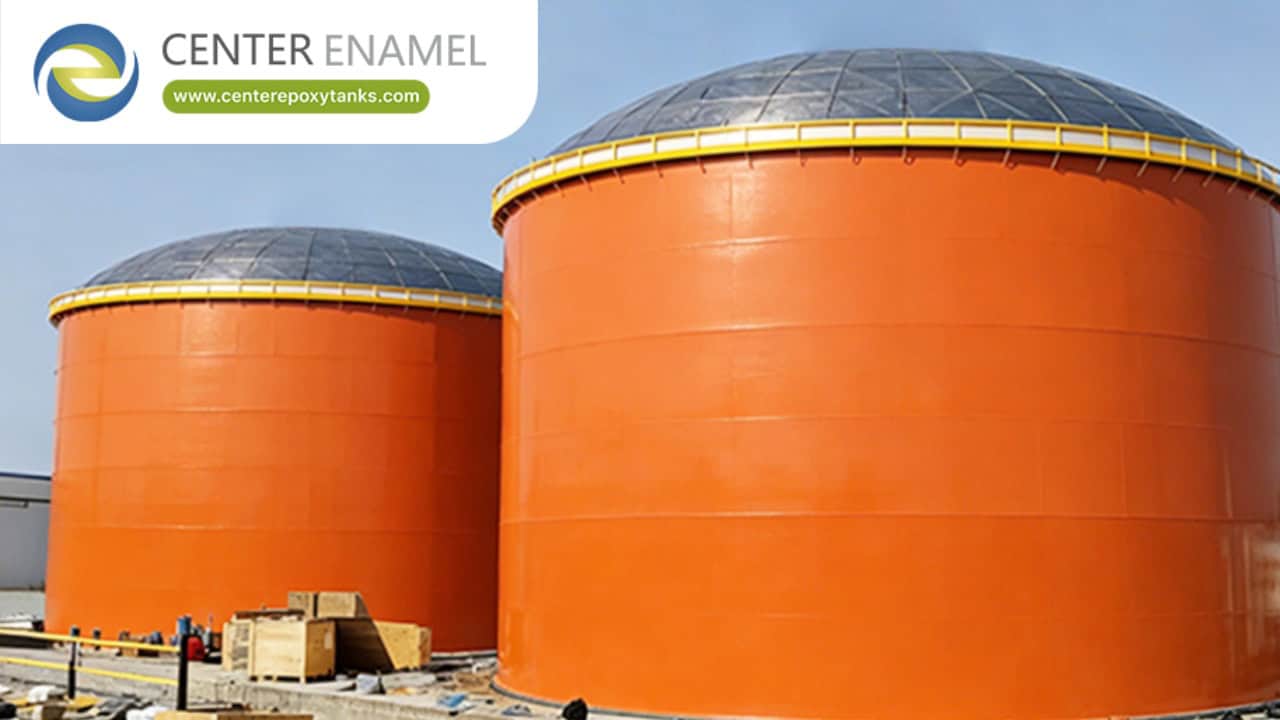
Applications of Welded Steel Storage Tanks: Industrial and Municipal Uses
In modern global infrastructure, large-scale liquid containment is vital for energy production, environmental safety, clean water distribution, and chemical manufacturing. Among available structural solutions, welded steel storage tanks serve as the foundational backbone for heavy-duty industrial applications.
Constructed through continuous structural field-welding or shop fabrication, these tanks offer monolithic integrity, high-pressure tolerance, and absolute leak-free performance. Below is a comprehensive breakdown of the primary industries and operational sectors that rely on welded steel storage tanks.
1. Oil and Gas Storage and Refining Terminals
The petroleum and energy sector is one of the largest consumers of heavy-duty welded steel containment systems.
Crude Oil and Fuel Reserves: Massive field-erected welded tanks—built in strict compliance with API 650 standards—store crude oil, gasoline, diesel, kerosene, and jet fuel across refineries and distribution terminals.
Vapor and Emission Control: To prevent evaporation losses of volatile organic compounds (VOCs), welded oil tanks are frequently paired with internal or external floating roofs (IFRs/EFRTs) and advanced multi-tier rim seal systems.
2. Municipal Water and Wastewater Treatment
Clean water security and sanitation depend heavily on robust, long-lasting storage reservoirs.
Potable Water Reservoirs: Municipalities utilize large welded steel tanks to store treated drinking water, ensuring a steady, pressurized supply for urban populations.
Fire Protection Reserves: Dedicated industrial and municipal fire-suppression water tanks are constructed to meet stringent safety codes (NFPA and AWWA D100), guaranteeing instant water availability during emergencies.
Wastewater and Effluent Processing: Specialized corrosion-resistant carbon or stainless steel welded tanks handle raw sewage, industrial effluent, and sludge thickener processes.
3. Chemical and Petrochemical Processing
Chemical manufacturing plants manage highly reactive, corrosive, or hazardous substances that demand absolute containment security.
Aggressive Fluid Containment: Stainless steel or lined carbon steel welded tanks safely store industrial solvents, acids, liquid fertilizers, and chemical feedstocks.
Pressure and Process Vessels: Designed to withstand specific vapor pressures, these tanks prevent toxic fugitive emissions and comply with strict environmental safety regulations.
4. Renewable Energy and Biofuels
As the global energy transition accelerates, welded steel tanks are finding vital new roles in sustainable energy production:
Biofuels and Ethanol: Modern refineries utilize specialized welded steel vessels to store grain ethanol, biodiesel, and other renewable liquid fuels.
Green Hydrogen and Ammonia: Specialized pressure-rated welded steel containers are increasingly deployed in pilot and commercial clean-energy facilities for hydrogen and green ammonia processing.
5. Power Generation and Heavy Manufacturing
Industrial manufacturing and power plants incorporate welded steel vessels across various operational stages:
Scrubber Slurries and Emissions Control: Coal-fired and biomass power plants utilize welded steel tanks to hold wet scrubber limestone slurries and flue-gas desulfurization (FGD) byproducts.
Boiler Feed Water and Condensate: High-temperature boiler feed water and condensate return systems rely on pressure-rated welded steel tanks to maintain continuous thermal plant operations.
Data Table: Overview of Welded Steel Tank Applications
Industry Sector | Primary Stored Media | Governing Standards | Typical Capacity / Scale |
Oil & Gas | Crude oil, diesel, gasoline, jet fuel | API 650, API 620 | 40,000 to over 5,000,000 gallons (Field-erected) |
Municipal Water | Potable drinking water, fire suppression water | ANSI/AWWA D100, NSF/ANSI 61 | 50,000 to several million gallons |
Chemical Processing | Acids, solvents, liquid fertilizers, caustics | API 650 Annex S, ASME Sec. VIII | 5,000 to 500,000 gallons |
Renewable Energy | Biofuels, ethanol, green hydrogen, ammonia | API 650, ASME, NFPA | Scaled for commercial processing plants |
Power Generation | Scrubber slurry, boiler feed water, condensate | API 650, AWWA D100, NFPA | Variable industrial process scaling |
Frequently Asked Questions (FAQ)
Q: What are the primary industries that use welded steel storage tanks?
A: Welded steel tanks are widely used across oil and gas refining, municipal water supply, wastewater treatment, chemical processing, power generation, and renewable energy production.
Q: Why are welded steel tanks preferred for crude oil storage?
A: Welded steel tanks provide continuous, fused structural joints that eliminate mechanical bolt and gasket failure points. This monolithic strength ensures absolute liquid-tight security and high-pressure tolerance for massive volumes of volatile hydrocarbons.
Q: What governing standards apply to water and petroleum welded tanks?
A: Petroleum and chemical storage tanks are primarily engineered under API 650 specifications, while municipal water reservoirs and fire protection tanks follow ANSI/AWWA D100 standards.
Q: Can welded steel tanks handle corrosive chemicals?
A: Yes. By utilizing specialized corrosion-resistant materials—such as austenitic stainless steel grades (304L/316L) or high-performance internal epoxy and glass flake linings—welded tanks safely contain highly aggressive chemical compounds.


