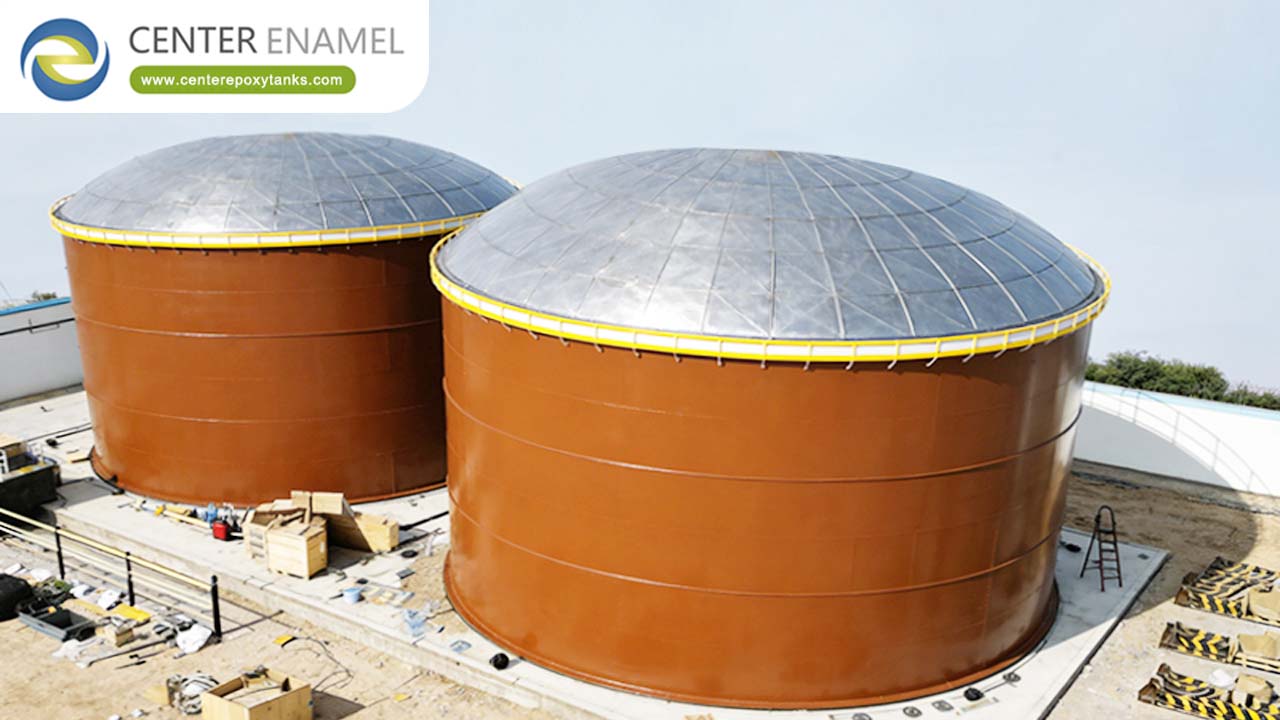
API 650: Engineering Standards for Welded Steel Storage Tanks
In the petrochemical and energy sectors, the storage tank is not just a container; it is a critical infrastructure asset. The American Petroleum Institute (API) Standard 650 provides the mandatory requirements for the design, material selection, fabrication, and testing of welded steel tanks.
Whether a project involves a small-diameter refined product tank or a massive, large-diameter crude oil storage terminal, API 650 provides the structural "recipe" that ensures the tank remains upright, sealed, and safe throughout its service life.
1. Design Methodologies
API 650 is renowned for its flexibility in calculation methods, allowing engineers to optimize steel usage based on the tank's diameter and height.
● 1-Foot Method: Generally used for tanks with smaller diameters or standard shell heights. It assumes that the hoop stress in the shell is determined by the hydrostatic head at a specific point one foot above the weld under consideration.
● Variable-Design-Point Method: Used for larger tanks where the shell thickness varies significantly across the height. This method allows for a more precise, economic distribution of material by calculating stresses at multiple "design points" rather than a singular calculation.
2. Material Selection and Construction
The standard mandates the use of specific, high-quality carbon or stainless steel grades (such as ASTM A36, A283, or A516) that offer the necessary tensile strength and ductility to withstand both structural loads and environmental stresses.
Key Construction Requirements:
● Welding Integrity: All welds must comply with ASME Section IX or other recognized welding codes, ensuring that the joints—the most common point of failure—possess the same (or greater) structural integrity as the base metal.
● Bottom Design: API 650 provides specific guidance on annular plates, which are required for larger tanks to provide extra structural reinforcement at the critical shell-to-bottom joint.
● Roof Structures: The standard covers various roof designs, including cone-roofs, dome-roofs, and floating roofs (see Appendix C and Appendix H for IFR specifics).
3. Comparison: API 650 vs. API 620
A common point of confusion in industry engineering is the distinction between API 650 and API 620.
Feature | API 650 | API 620 |
Tank Type | Atmospheric Storage | Low-Pressure Storage |
Pressure Limit | Up to 2.5 psig | Exceeds 2.5 psig |
Geometry | Cylindrical / Vertical | Varied (Large radii, dome, etc.) |
Primary Use | Oil, refined products, water | Liquefied gases, volatile chemicals |
4. Why API 650 Compliance is Mandatory
API 650 is not merely a recommendation; it is the regulatory floor for the oil and gas industry.
1. Risk Mitigation: Properly designed tanks prevent brittle fracture, a catastrophic failure mode where the steel tank wall cracks without warning, often due to temperature differentials or poor material selection.
2. Environmental Stewardship: In the era of ESG (Environmental, Social, and Governance) mandates, API 650 compliance is the primary defense against leaks and soil contamination.
3. Global Standardization: By following API 650, multinational corporations ensure that their infrastructure in a remote facility meets the same safety and performance standards as their domestic headquarters.
5. Inspection and Testing (Post-Fabrication)
Design is only half the battle. API 650 mandates rigorous testing after fabrication:
● Hydrostatic Testing: The tank is filled with water to its design capacity to verify shell integrity and foundation settlement.
● Nondestructive Examination (NDE): Critical welds are inspected using radiographic, magnetic particle, or ultrasonic testing to ensure no subsurface defects exist.
● Vacuum Box Testing: Specifically used on bottom-plate welds to ensure they are leak-proof before the tank is placed into service.
Are you currently evaluating the structural design specifications for a new tank installation, or are you looking to perform a fitness-for-service (API 653) assessment on an existing API 650 tank?


