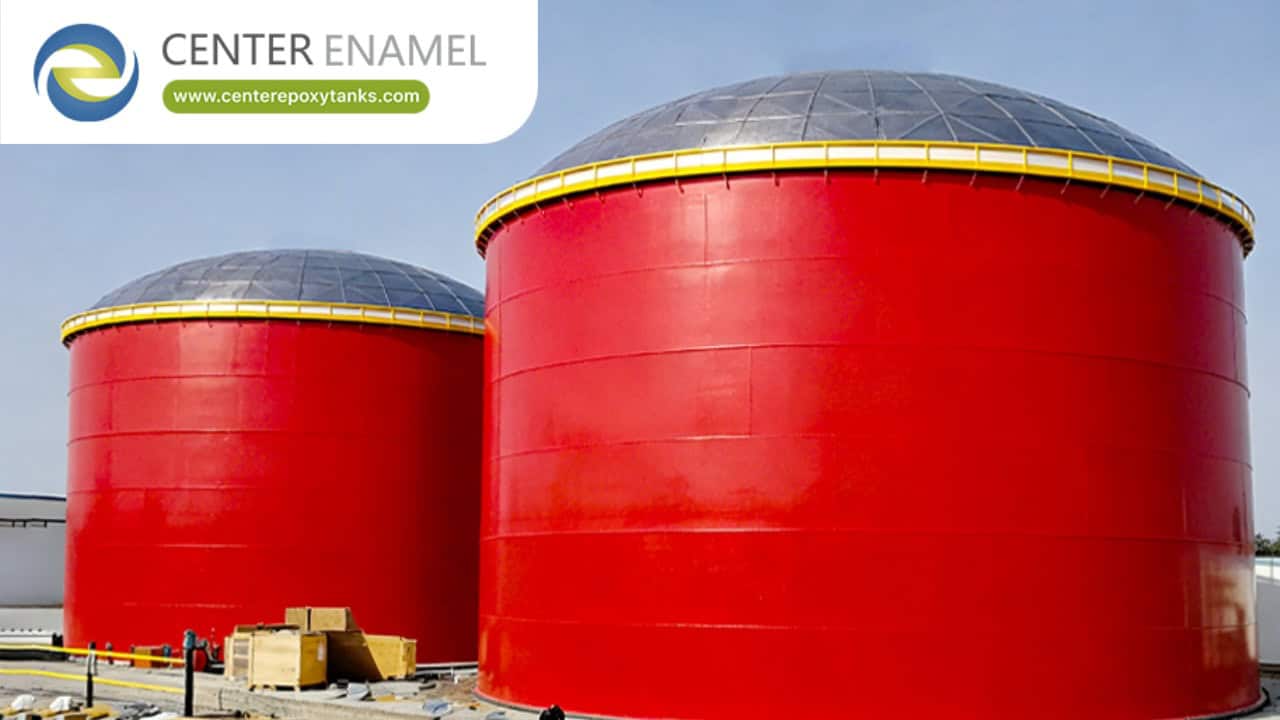
Aluminum Domes for Agricultural Silos: Advanced Protection & Efficiency
In modern agriculture, the integrity of storage infrastructure is the backbone of operational success. Whether storing grain, animal feed, or biomass, the roof of an agricultural silo is the primary barrier against environmental degradation. Center Enamel provides advanced aluminum geodesic domes specifically engineered to replace traditional, high-maintenance silo covers, offering a "fit-and-forget" solution that dramatically extends the lifespan of agricultural assets.
Why Aluminum Domes are the Modern Standard for Silos
Traditional silo roofs, often constructed from carbon steel or concrete, face constant battles against oxidation, moisture ingress, and structural fatigue. Aluminum geodesic domes resolve these issues through superior material science and structural geometry.
1. Inherent Corrosion Resistance
Aluminum does not rust like steel. It naturally forms a protective oxide layer that resists the harsh conditions found on farms—including high humidity, animal waste emissions (ammonia), and fluctuating weather patterns. This ensures the roof remains sound for decades without the need for expensive, recurring protective coatings.
2. Strength-to-Weight Efficiency
The geodesic design creates a triangulated framework that is exceptionally strong yet incredibly lightweight. This reduces the load on the existing silo walls, making these domes an excellent choice for retrofitting older structures that might not support the weight of a heavy concrete or steel replacement roof.
3. Clear-Span Storage Optimization
Because geodesic domes are self-supporting and do not require internal columns or trusses, they provide a clear-span interior. This maximizes the storage volume of the silo and eliminates internal structural "traps" where dust, pests, or spoiled feed can accumulate, significantly improving facility hygiene.
Comparative Analysis: Aluminum Dome vs. Traditional Steel Roof
Engineering Metric | Aluminum Geodesic Dome | Traditional Steel Roof |
Corrosion Resistance | Excellent (Inherent) | Low (Requires regular painting) |
Maintenance | Virtually Zero | High (Scraping/Repainting) |
Structural Design | Clear-span (No internal support) | Trusses/Columns (Internal support) |
Installation | Rapid (Modular/Bolted) | Slow (Heavy welding required) |
Weight | Very Low (Reduces silo wall stress) | High (Increases structural load) |
Engineering for Agricultural Performance
Center Enamel’s agricultural solutions are designed with the specific realities of farm infrastructure in mind:
Environmental Sealing: The precision-engineered panels and gaskets create a moisture-tight seal, preventing rain ingress that leads to mold growth and grain spoilage.
Ventilation Integration: Our domes can be fitted with specialized venting systems to maintain airflow, reduce internal heat build-up, and control dust concentrations, which is critical for biomass and feed safety.
Rapid Retrofitting: We understand that farm downtime costs money. Our modular design allows for assembly on the ground and a swift lift-and-place installation, minimizing disruption to your harvest or operational schedule.
Frequently Asked Questions (FAQ)
1. Why choose an aluminum dome over a standard steel silo roof?
The primary difference is long-term durability and cost of ownership. Steel roofs oxidize and require periodic sandblasting and painting to prevent failure. Aluminum is naturally corrosion-resistant, meaning you pay for the roof once and eliminate the multi-year cycle of maintenance costs.
2. Can aluminum domes be fitted to existing concrete or steel silos?
Yes. Geodesic domes are highly adaptable. We work with the existing dimensions and structural capacity of your current silo to design a custom mounting ring that ensures a secure, leak-free connection, regardless of the silo’s original material.
3. Does the aluminum roof affect the internal temperature of the silo?
Aluminum has excellent reflective properties, which can help mitigate heat absorption compared to darker steel or concrete surfaces. This helps keep the interior environment more stable, which is crucial for maintaining the quality of sensitive grain or feed products.
4. How long does the installation process take?
Because the domes are pre-fabricated in our facility, the on-site work is primarily assembly. Compared to field-welding a steel roof, our geodesic domes can be installed in a fraction of the time, often significantly reducing site labor costs and construction downtime.
5. Can these domes support suspended equipment?
Yes. Geodesic domes are structurally robust. We can engineer the dome to support specific loads, such as inspection walkways, sensors, or aeration equipment, by distributing the weight across the triangulated framework.


