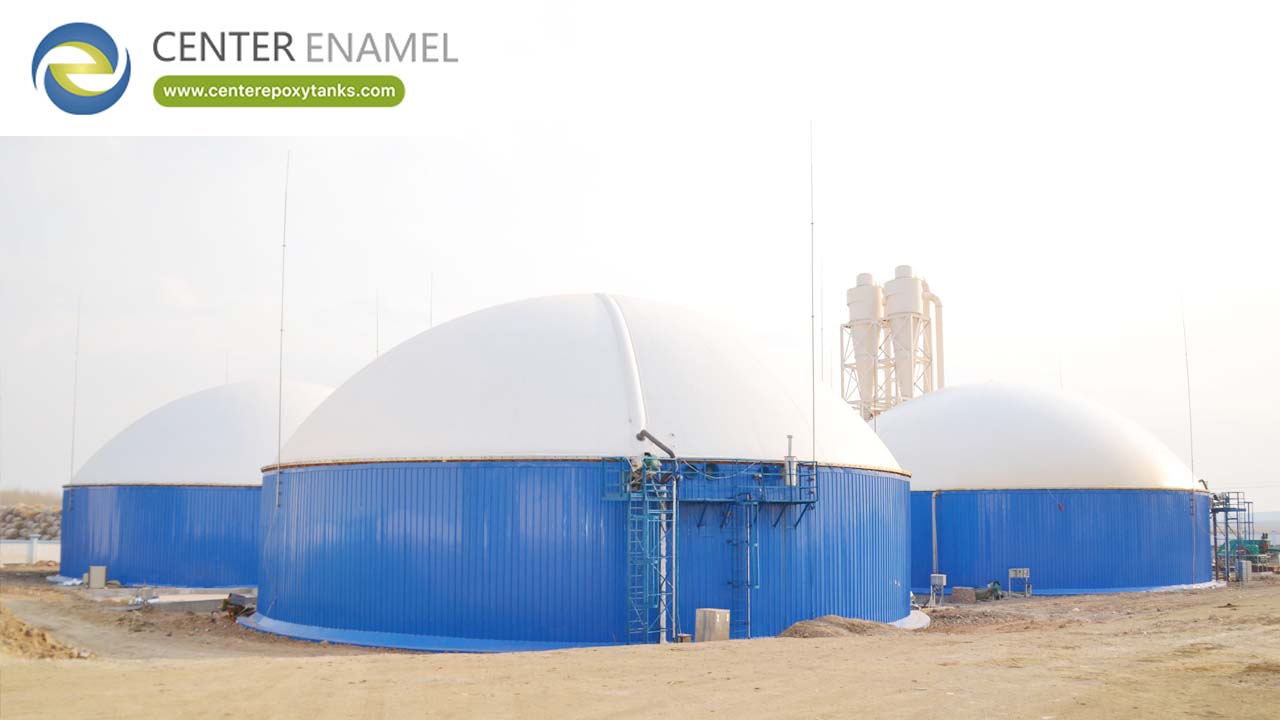
Advanced Double Membrane Roofs for Pig Farm Wastewater: Maximizing Biogas Recovery & Environmental Compliance
For modern pig farms, wastewater management is no longer just a regulatory burden—it is a significant energy asset. By integrating Advanced Double Membrane Roofs with anaerobic digestion (AD) tanks, farms can transition from costly waste treatment to efficient renewable energy production. This system acts as a high-performance "biogas lung," capturing methane while providing a robust, weather-resistant barrier that mitigates odor and protects the facility from environmental risks.
1. The Engineering Logic: How Double Membranes Work
In a pig farm anaerobic digestion project, the roof serves a dual purpose: it must be a gas-tight storage vessel and a durable outdoor structure.
The Inner Membrane (The Storage Chamber): This flexible, high-tensile layer creates an airtight seal over the wastewater. It expands and contracts in direct proportion to the volume of biogas produced, providing a dynamic "buffer" that prevents system bottlenecks.
The Outer Membrane (The Protective Shield): Continuously inflated by a low-pressure air blower, this layer maintains a constant, convex shape. It acts as a shield against wind, snow, and UV radiation, ensuring the inner membrane remains protected from the elements.
The Air Space (Insulation & Pressure): The gap between the membranes acts as an insulation zone, helping to maintain the internal temperature required for the methanogenic microorganisms to thrive, even in fluctuating climates.
2. Transforming Liability into Energy
Pig manure is an ideal feedstock for biogas. Traditional open-lagoon systems release methane (a potent greenhouse gas) into the atmosphere. The double membrane roof captures this gas, transforming a pollution source into a revenue stream.
Feature | Open Lagoon/Fixed Roof | Double Membrane Roof |
Gas Capture | None (Lost to atmosphere) | Full Recovery (High ROI) |
Odor Control | Poor (Significant emissions) | Excellent (Gas-tight seal) |
Durability | Variable (Corrosion prone) | High (Chemical/UV resistant) |
Operational Flexibility | Fixed Capacity | Variable Storage Volume |
3. Key Benefits for Pig Farm Operations
Strict Odor Mitigation: The primary concern for farms near residential areas is odor. The gas-tight containment of the double membrane system effectively traps volatile organic compounds (VOCs) and sulfurous gases, keeping the surrounding community and environment compliant.
Renewable Energy Generation: Captured methane can be scrubbed and used to power on-site electricity generators or boiler systems, significantly reducing the farm's utility costs and carbon footprint.
Low Lifecycle Cost: Unlike concrete or heavy steel covers that suffer from hydrogen sulfide (H₂S) corrosion, specialized membrane materials are inert and highly resistant to the acidic conditions of manure digestion.
4. Engineering Compatibility: The GFS Synergy
The most reliable anaerobic digestion systems for livestock farms combine Glass-Fused-to-Steel (GFS) tanks with double membrane roofs.
The GFS Advantage: The tank walls are coated with a fused-glass finish that is impervious to the chemical acidity of pig slurry, ensuring the structure lasts for 30+ years.
Seamless Integration: The membrane mounting ring is precision-engineered to attach to the GFS tank rim, creating an airtight connection that prevents gas leaks at the most critical structural junction.
5. Frequently Asked Questions (FAQ)


