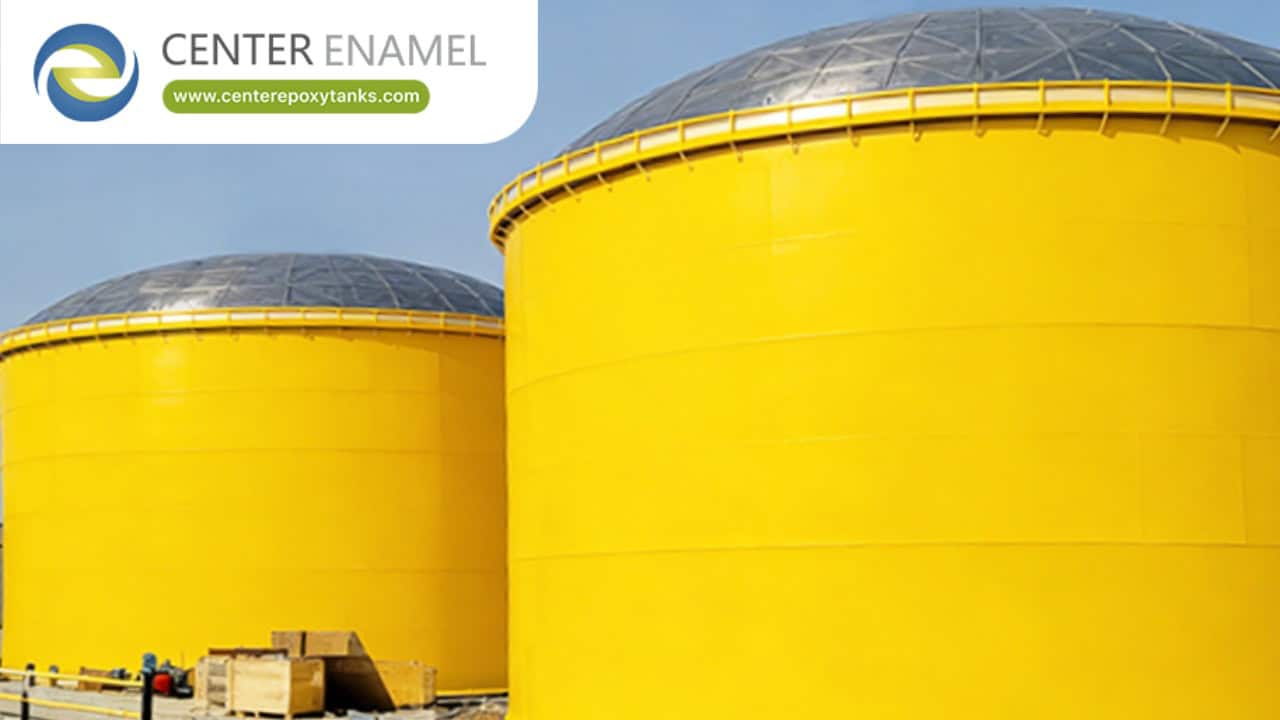
Aboveground Fuel Tanks: Types, Standards, and Spill Containment
Aboveground fuel storage trades invisibility for inspectability: every weld, valve, and seam stays visible and serviceable, which is precisely why fire codes and environmental programs treat ASTs as the transparent option. The engineering task is matching tank type to volume, product, and the containment rules that follow.
Aboveground fuel tanks are storage vessels installed at or above grade — from shop-fabricated UL 142 horizontal and vertical tanks up to about 50,000 liters, to field-erected API 650 tanks reaching 150,000 m3 — sited per NFPA 30 with secondary containment by double-wall construction or dikes sized for the largest tank.
1. What Types of Aboveground Fuel Tanks Exist?
Type follows size class and fabrication route.
· Shop-built horizontal tanks: UL 142 cylindrical or rectangular single and double-wall tanks for diesel and fuel oil at farms, generators, and fleet yards — the volume workhorse below ~50,000 liters.
· Vertical shop tanks: UL 142 verticals and small tank systems with integral containment where footprint is tight and product turnover is steady.
· Field-erected API 650 tanks: Welded flat-bottom tanks from ~500 to 150,000 m3 for terminals, power plants, and airports; fixed, floating, or domed roofs by product volatility.
· Specialty ASTs: Generator base tanks, fire-protected tanks for tight urban sites, and horizontal skid packages bundling tank, pump, and meter.
2. What Siting and Containment Rules Apply?
AST compliance is mostly geometry — distances, dikes, and drainage.
· Separation distances: NFPA 30 tables set tank-to-property, tank-to-building, and tank-to-tank spacing driven by tank size and liquid class.
· Dike containment: Earthen or concrete berms sized for the largest tank in the group plus freeboard for rain and foam application.
· Double-wall alternative: Integral secondary containment with interstitial monitoring replaces dikes where space or aesthetics demand — common for generator and fleet installations.
· SPCC planning: US-practice facilities above threshold volumes prepare Spill Prevention, Control, and Countermeasure plans covering containment, inspection, and response.
3. How Are Aboveground Fuel Tanks Protected and Maintained?
Visible steel still fights corrosion — protection and inspection keep it that way.
· External coatings: Zinc-rich primer plus epoxy/polyurethane systems guard against weather; coastal sites upgrade to cyclic-corrosion-rated systems.
· Containment corrosion management: Water pooling in dikes and under tank pads accelerates underside attack — drainage, pads, and periodic bottom scans manage the risk.
· Venting and overfill: Conservation vents sized per code, emergency vents for fire exposure, and overfill prevention with alarms and shutoff.
· Inspection cadence: Monthly visual checks, periodic thickness testing, and for larger tanks formal API 653-based inspection intervals.
Data Table: Aboveground Fuel Tank Types by Size Class
Class | Code Basis | Volume Range | Typical Containment |
Shop horizontal | UL 142 | 1,000-50,000 L | Double wall or dike |
Shop vertical | UL 142 | 5,000-190,000 L | Dike or integral |
Fire-protected AST | UL 2085 | to ~100,000 L | Integral + fire rating |
Field-erected | API 650 | 500-150,000 m3 | Dike per NFPA 30 |
Frequently Asked Questions (FAQ)
Q1: What are the advantages of aboveground fuel tanks?
Full inspectability of tank and piping, faster leak detection, simpler remediation, and lower installation cost than underground systems — the reasons many buyers deliberately choose ASTs despite their visible footprint. Fire codes acknowledge the transparency with defined spacing and containment rules.
Q2: What is a UL 142 tank?
The shop-fabricated aboveground tank standard covering single and double-wall steel tanks for flammable and combustible liquids. UL 142 tanks dominate diesel and fuel-oil duty below roughly 50,000 liters; larger field-erected storage shifts to API 650.
Q3: How is an aboveground fuel tank contained?
Either by integral double-wall construction with monitored interstice, or by external dikes sized to hold the full volume of the largest tank in the group plus freeboard. NFPA 30 and SPCC-type environmental programs define the sizing and drainage requirements.
Q4: How far must fuel tanks be from buildings and property lines?
Per NFPA 30 tables, distances scale with tank size and liquid class — from a few meters for small shop tanks to 30-plus meters between large field-erected tanks and property boundaries. Local fire authorities may impose additional spacing, and insurers often exceed code minimums.


