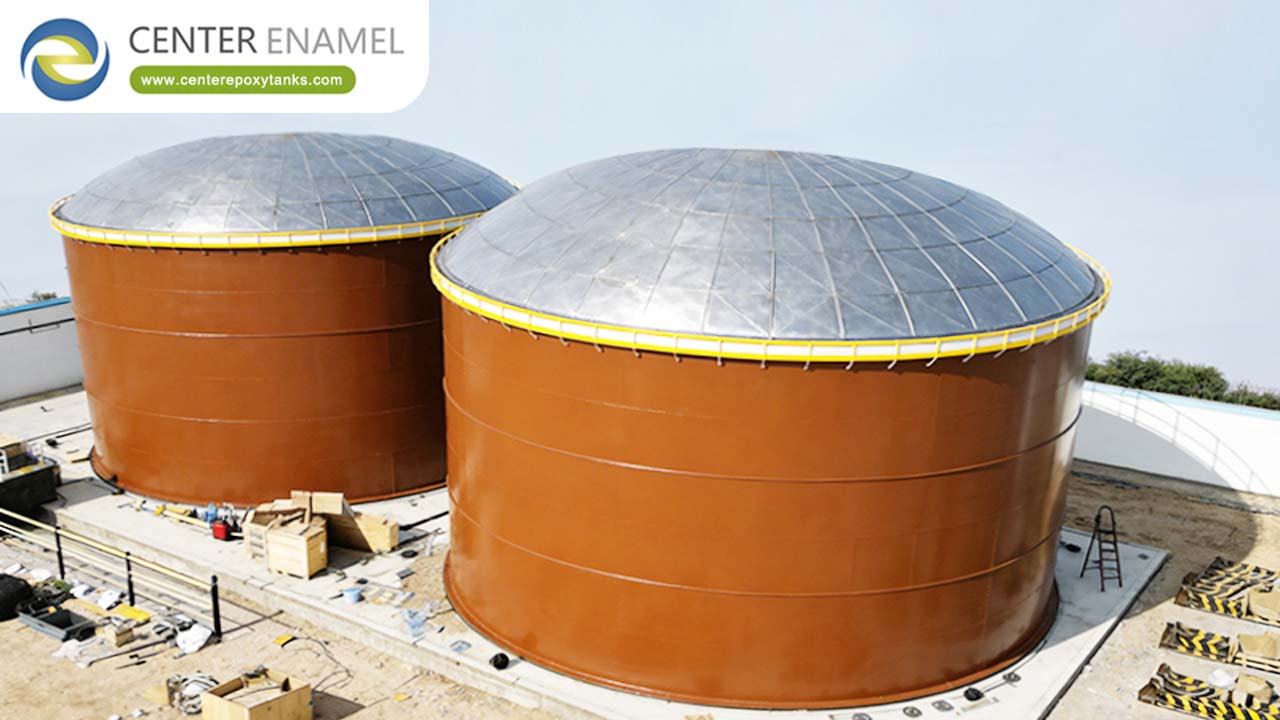
Aboveground Diesel Storage Tanks: Engineering, Compliance, and Selection Guide
An Aboveground Storage Tank (AST) for diesel is a mission-critical asset for industrial, agricultural, and power-generation facilities. Unlike underground tanks, aboveground systems allow for direct visual inspection, simplifying leak detection and maintenance. For modern industrial applications, the industry standard focuses on UL 142-compliant steel construction, ensuring rigorous fire resistance, structural integrity, and environmental compliance (EPA/SPCC). Selecting the right tank involves balancing regulatory requirements (NFPA 30, SPCC), material durability (factory-coated bolted steel vs. field-welded), and lifecycle costs.
1. Regulatory Framework: Compliance First
Diesel storage is heavily regulated to prevent environmental contamination and fire hazards. Before design and procurement, your project must adhere to these primary benchmarks:
● UL 142 (Standard for Steel Aboveground Tanks): This is the gold standard for shop-built steel tanks. It mandates specific requirements for steel thickness, weld integrity, pressure testing, and venting.
● SPCC (Spill Prevention, Control, and Countermeasure): Under EPA guidelines, sites storing 1,320+ gallons of oil/diesel aboveground must have an SPCC plan. This requires secondary containment (usually 110% capacity) to capture potential leaks.
● NFPA 30 (Flammable and Combustible Liquids Code): Governs the safe handling, storage, and usage of liquids, detailing setback distances from structures and property lines.
● UL 2085 (Fire-Resistant Tanks): Often required in high-risk zones, these tanks provide a 2-hour fire-resistant rating and ballistic impact protection.
2. Comparative Analysis: Construction Methods
The "Total Cost of Ownership" (TCO) varies significantly based on the construction method chosen.
Feature | Factory-Coated Bolted Steel | Field-Welded Steel | Concrete Tanks |
Installation Speed | Rapid (Modular) | Slow (On-site welding) | Very Slow (Curing time) |
Coating Quality | High (Factory-Controlled) | Variable (Field-applied) | Low (Prone to cracking) |
Expansion | Easy (Modular panels) | Difficult | Nearly Impossible |
Maintenance | Low (Minimal repairs) | Moderate | High (Crack sealing) |
Transport | Economical (Disassembled) | Expensive (Large loads) | Prohibitive |
● Strategic Advantage: Factory-coated bolted steel tanks offer the best balance of longevity and flexibility. Because panels are coated in a controlled environment, they avoid the "corrosion weak points" common in field-applied coatings.
3. Engineering & Design Considerations
To ensure long-term performance, consider these three critical design pillars:
A. Secondary Containment
Whether using double-walled tanks or external concrete berms, the containment must be impervious. For industrial sites, Double-Wall UL 142 tanks are preferred as they integrate the containment, saving footprint and simplifying monitoring.
B. Venting and Overfill Protection
● Normal Venting: Must be sized according to NFPA 30 standards to account for the maximum fill/discharge rate.
● Emergency Venting: Critical to prevent tank rupture during a fire exposure event.
● Overfill Prevention: High-level alarms and automatic shutoff valves (solenoids) are mandatory to prevent catastrophic spill events during tanker delivery.
C. Foundation Stability
Tanks must be installed on a non-combustible, level foundation (typically a reinforced concrete pad or ring wall). Improper foundation leveling is the leading cause of structural stress and eventual seam leakage.
4. Frequently Asked Questions (FAQ)
Q: Why is factory-coated bolted steel preferred over field-welded for diesel?
Field-welded tanks require extensive on-site finishing, which is vulnerable to weather delays and human error. Bolted steel systems are manufactured off-site, arriving with a uniform, factory-cured epoxy/glass coating that ensures superior corrosion resistance from the moment of installation.
Q: Does a diesel tank need secondary containment if it is double-walled?
A UL 142 double-walled tank effectively provides its own secondary containment. However, you must still check local fire codes, as some jurisdictions require an additional spill bucket or "containment area" at the fill point to capture small drips during the transfer process.
Q: How often should I inspect my aboveground tank?
Regulatory standards (and SPCC plans) typically mandate monthly visual inspections (checking for corrosion, leaks, or vent obstructions) and annual integrity testing by a certified professional to ensure the tank remains in compliance.
Expert Consultation for Industrial Storage
Designing a storage facility requires more than just picking a tank size; it requires a deep understanding of site-specific geological and regulatory requirements. Our team specializes in custom-engineered, factory-coated bolted steel solutions that meet or exceed global standards.
Whether you are planning a backup generator farm or a bulk fuel depot, we provide the CAD/BIM assets, structural calculations, and compliance documentation needed to get your project approved.


