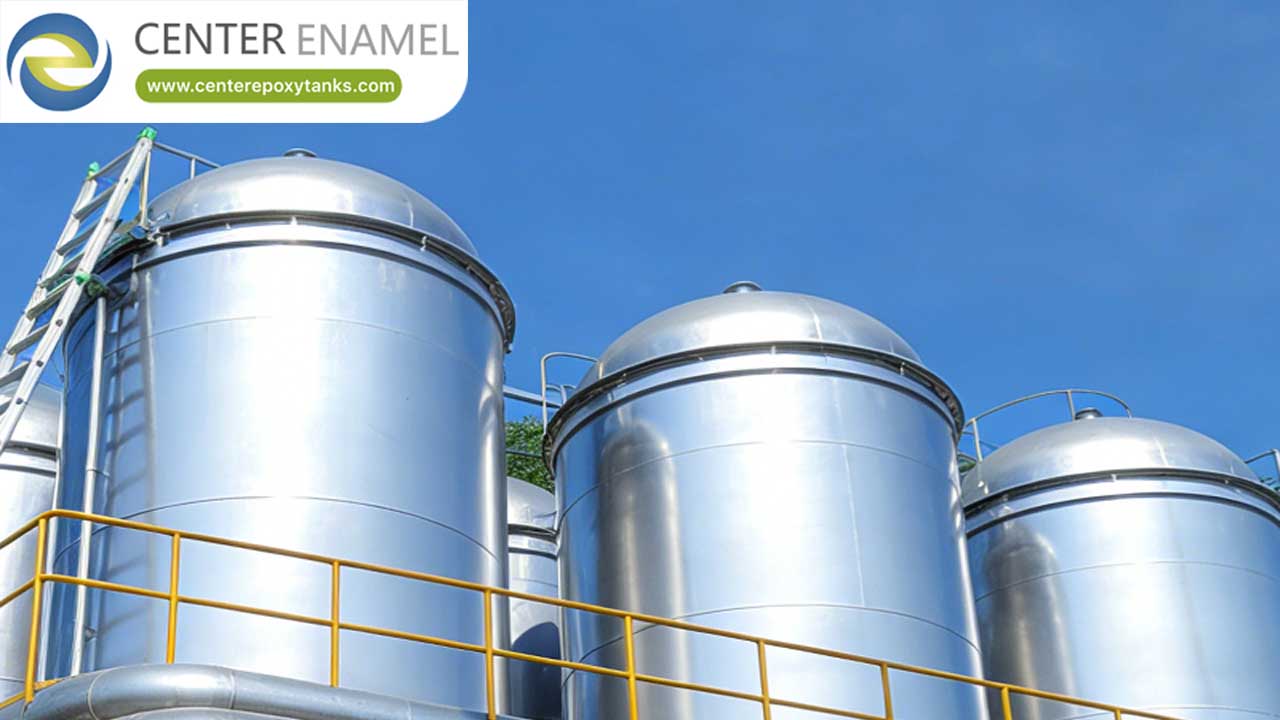
304 Stainless Steel Tanks | Industrial Storage Solutions Guide
In industrial liquid processing and bulk storage, material selection determines the operational lifespan, sanitary compliance, and structural safety of an asset. Grade 304 stainless steel (SUS304) stands as the global benchmark for corrosion-resistant containment. It perfectly balances high tensile strength, excellent weldability, and long-term cost-efficiency. This technical guide outlines the metallurgical profile, core applications, engineering considerations, and fabrication methods for industrial 304 stainless steel storage tanks.
1. Metallurgical Composition & Performance Profile
Grade 304 is an austenitic stainless steel alloy defined under international standards like ASTM A240. Its high resistance to oxidation and chemical attack stems from its specific alloy framework:
● Chromium (18% to 20%): Drives the formation of an invisible, chemically inert, and self-healing chromium oxide film across the steel surface, preventing rust and deep pitting.
● Nickel (8% to 10.5%): Stabilizes the austenitic crystalline structure, maintaining excellent ductility, impact strength, and structural integrity from cryogenic conditions up to high operating temperatures.
● Low Carbon Content ( 0.08%): Minimizes carbide precipitation during welding, protecting the heat-affected zones (HAZs) from intergranular corrosion. Note: For heavy-gauge structural welding where post-weld heat treatment is impossible, Grade 304L (Ultra-Low Carbon 0.03%) is typically specified.
2. Core Industrial Applications
Because 304 stainless steel is chemically stable and does not leach trace elements into stored media, it is the primary choice for strict-compliance sectors:
● Food, Beverage & Dairy: Meets strict FDA and 3A sanitary mandates. Used extensively for storing potable water, liquid ingredients, dairy products, and juices where smooth, non-porous surfaces are required to prevent bio-film buildup.
● Municipal & Fire-Protection Water: Delivers a reliable alternative to coated carbon steel, offering a 30+ year service life with zero risk of interior lining degradation, blistering, or catastrophic coating failures.
● Industrial & Wastewater Processing: Safely handles mild acids, organic solvents, chemical detergents, and treated effluent without requiring specialized rubber or epoxy internal liners.
3. Materials Matrix: 304 vs. 316 vs. Coated Carbon Steel
Selecting the correct tank material requires balancing upfront capital expenditure (CapEx) against long-term maintenance costs.
Material Type | Key Alloy Distinction | Best Use Case | Relative Cost Index |
304 Stainless Steel | 18% Chromium / 8% Nickel | Potable water, food processing, mild industrial fluids, urban climates | Moderate (Baseline standard for stainless storage) |
316 Stainless Steel | 16% Chromium / 10% Nickel / 2% Molybdenum | Marine environments, high-chloride wastewater, aggressive chemicals | High (Typically a 25-35% premium over Grade 304) |
Coated Carbon Steel | No Cr/Ni alloy; relies entirely on physical linings | Hydrocarbons, heavy bulk chemicals, ultra-large municipal basins | Low Initial CapEx (Requires recurring long-term lining inspections) |
4. Fabrication Options: Welded vs. Modular Bolted Tanks
Industrial 304 stainless steel tanks are deployed using two primary structural formats, chosen based on fluid dynamics, capacity requirements, and site logistics:
Shop-Welded or Field-Erected Tanks
Welded structures use continuous automated or manual welding seams to form a single monolithic shell. This design is preferred for highly pressurized processes or sanitary applications where internal seams must be ground completely flush to eliminate bacterial harbor points.
Factory-Engineered Modular Bolted Tanks
For large bulk water or municipal wastewater projects, bolted stainless steel tanks offer modern execution advantages:
● Zero Site Hot-Work: High-grade 304 stainless steel panels are laser-cut, punched, and edge-treated under strict quality controls in a factory environment. On-site crews assemble the panels using high-strength structural bolts and durable synthetic gaskets (such as EPDM or silicone).
● Compact Freight Logistics: Flat-packed tank components pack efficiently into standard shipping containers, drastically lowering ocean freight costs for overseas delivery.
● Rapid Deployment: Eliminates weeks of on-site field welding, radiographic weld testing, and environmental weld-pickling or passivation cycles.
5. Critical Procurement Engineering Checklist
To optimize the service life of a 304 stainless steel tank asset, ensure your engineering specification documents enforce these protocols:
1. Chemical Passivation Treatment: Following fabrication, all internal and external surfaces—especially weld zones—must undergo chemical passivation using nitric or citric acid blends. This removes free iron contaminants introduced during machining and accelerates the growth of the protective chromium oxide layer.
2. Design Code Adherence: The structural engineering math must conform to recognized global standards, such as API 650 for atmospheric chemical/oil storage or AWWA D103 for factory-coated and modular bolted water storage vessels.
3. Chloride Concentration Thresholds: While highly resilient, 304 stainless steel can experience stress-corrosion cracking if exposed to high chloride levels (greater than 200 ppm) combined with operating temperatures exceeding 140°F (60°C). If your process parameters breach these levels, upgrading to Grade 316 or duplex stainless alloys is highly recommended.
Investing in a 304 stainless steel tank provides industrial operations with a durable, low-maintenance containment asset that safeguards product purity and eliminates operational downtime. By matching the structural approach (welded vs. modular bolted) to the logistical demands of your job site, you can achieve an optimized installation that delivers a highly efficient total cost of ownership.


