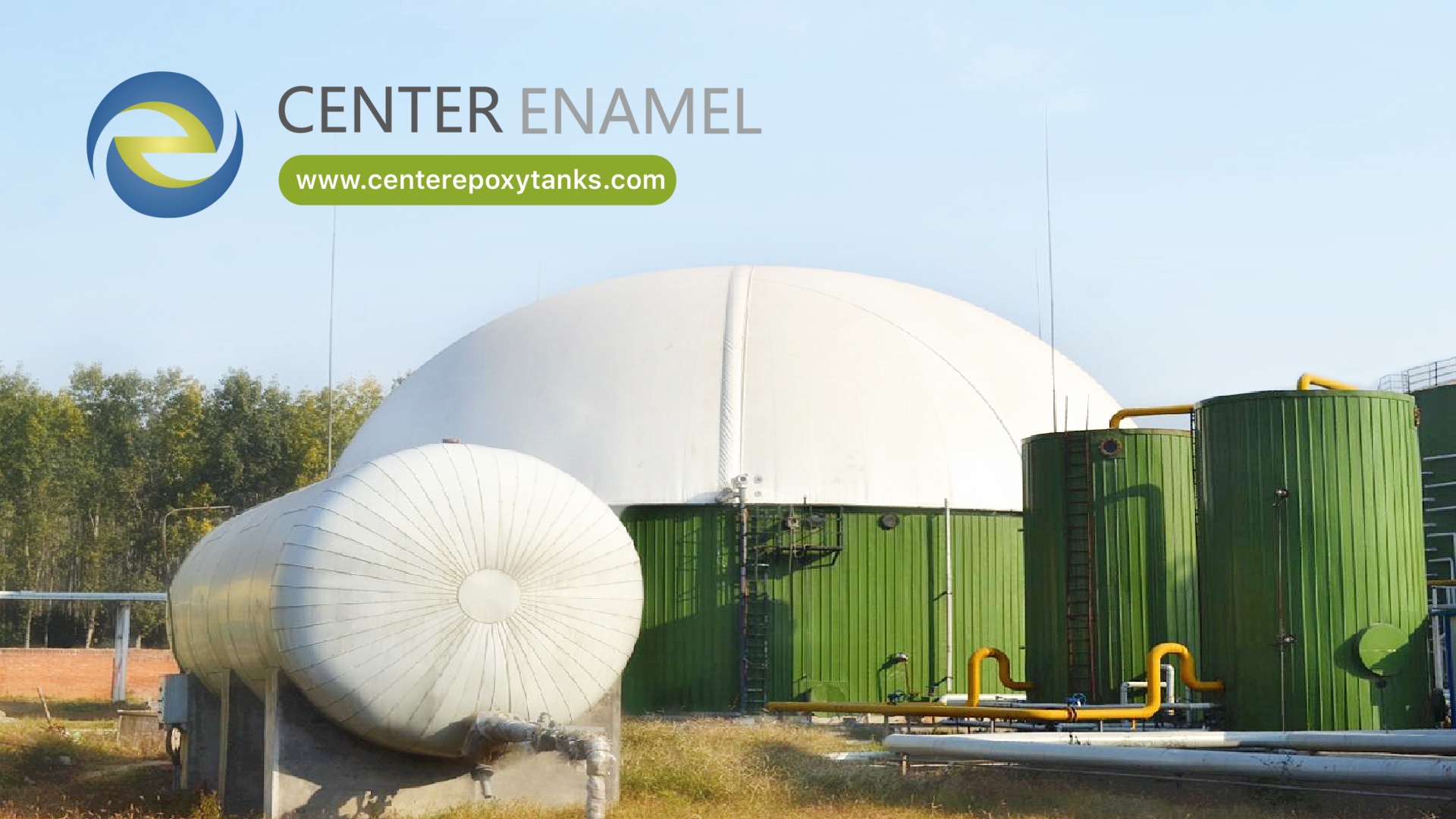
The global transition toward a circular economy has placed the sustainable management of organic waste at the center of international energy policy. As the world seeks to reduce its dependence on fossil fuels and mitigate the environmental impact of traditional waste disposal, the Biogas Project has emerged as a vital technological pillar. By converting various organic feedstocks—ranging from agricultural residues and livestock manure to industrial wastewater and municipal sludge—into renewable energy, these projects provide a dual benefit of waste remediation and clean power generation. At the heart of this transformation is the Anaerobic Digesters, a sophisticated biological reactor designed to facilitate the decomposition of organic matter in the absence of oxygen.
The Biological Foundation of Anaerobic Digestion
Understanding the complexity of Anaerobic Digesters requires an appreciation of the biological processes they contain. The digestion process is a multi-stage sequence carried out by specialized groups of microorganisms. It begins with hydrolysis, where complex organic polymers like carbohydrates and proteins are broken down into simpler soluble monomers. This is followed by acidogenesis and acetogenesis, where these monomers are converted into volatile fatty acids and organic acids.
The final and most critical stage is methanogenesis, where methanogenic microorganisms convert these intermediate products into Methane and Carbon Dioxide. In a high-performance Biogas Project, the goal is to optimize these four stages to ensure the highest possible yield of Methane. Achieving this requires precise control over environmental variables such as temperature, acidity levels, and the retention time of the feedstock within the Anaerobic Digesters.
Engineering Excellence: Glass-Fused-to-Steel Technology
The structural integrity of Anaerobic Digesters is paramount to the safety and success of a Biogas Project. Given that the digestion process produces corrosive substances, including Hydrogen Sulfide and various organic acids, the choice of construction material is a critical decision for project developers.
Center Enamel is a global leader in Glass-Fused-to-Steel (GFS) technology. Our GFS tanks are manufactured by fusing a specialized glass coating to both the interior and exterior of high-strength steel plates at temperatures exceeding eight hundred degrees Celsius. This fusion process creates an inert, impermeable barrier that combines the structural strength of steel with the superior corrosion resistance of glass. In the aggressive environment of a Biogas Project, GFS tanks provide a durable solution that avoids the scaling and degradation common with traditional concrete or carbon steel tanks.
Advantages of GFS for Anaerobic Digesters
Superior Corrosion Resistance: The glass coating is resistant to the wide range of acidity and corrosive gases encountered in organic waste treatment.
Rapid Installation: The modular, bolted design of GFS tanks allows for much faster construction compared to poured-in-place concrete, significantly reducing the project timeline.
Low Maintenance: The smooth, inert surface of the glass prevents the accumulation of material on the tank walls, reducing the need for frequent cleaning and maintenance.
Scalability: GFS tanks can be easily expanded or relocated, providing the flexibility required as a Biogas Project grows.
Critical Components of an Integrated Biogas System
A successful Biogas Project relies on a harmony of different technologies working in concert with the Anaerobic Digesters. Beyond the reactor vessel itself, several key components ensure the system operates at peak efficiency.
Mixing and Heating Systems
To maintain a healthy biological environment, the contents of the Anaerobic Digesters must be kept in a state of constant motion and at a stable temperature. Advanced mixing systems prevent the formation of floating crusts and ensure that the microorganisms are always in contact with fresh organic matter. Integrated heating systems, often utilizing heat recovered from the power generation phase, maintain the optimal temperature range—typically in the mesophilic or thermophilic zones—required for consistent gas production.
Gas Storage and Pressure Regulation
The management of the produced biogas is handled by advanced roofing systems. The Double Membrane Roof is the preferred choice for active gas storage in a Biogas Project. This flexible, pneumatic system adapts to the fluctuating rates of gas production and provides a steady, regulated pressure to the utilization equipment. While the double membrane system is the standard for primary digestion and gas storage, Aluminum Dome Roofs offer an excellent rigid enclosure for secondary stages of the project, such as wastewater collection or digestate storage, where active gas storage is not the primary objective.
Enhancing Environmental and Economic Sustainability
The implementation of Anaerobic Digesters provides a clear path toward agricultural and industrial sustainability. By capturing Methane—a gas with a much higher global warming potential than Carbon Dioxide—and utilizing it as a fuel, a Biogas Project significantly reduces the carbon footprint of the facility.
From an economic perspective, the project transforms a waste stream that previously required costly disposal into two valuable products:
Renewable Energy: The biogas can be used to generate electricity and heat via a combined heat and power unit, or it can be upgraded to biomethane for grid injection.
Organic Fertilizer: The material remaining after digestion, known as digestate, is a nutrient-rich organic fertilizer. The anaerobic process mineralizes nutrients, making them more available for plant uptake, while also neutralizing pathogens and weed seeds.
Quality Assurance and Global Standards
At Center Enamel, we understand that the reliability of a Biogas Project depends on the quality of every component. Our manufacturing processes are certified to international standards, including ISO 9001 and various global tank engineering codes. We utilize automated production lines to ensure precision in the fabrication of every GFS plate, and our rigorous quality control procedures include high-voltage spark testing to ensure the integrity of the glass coating.
As a dedicated partner in the renewable energy sector, we provide comprehensive technical support throughout the project lifecycle. From initial feasibility studies and feedstock analysis to the final commissioning of the Anaerobic Digesters, our engineering team ensures that the infrastructure is optimized for the specific goals of the Biogas Project.
Non-Fictitious Project Cases
Center Enamel’s expertise is evidenced by our extensive portfolio of successful project implementations. Below are three significant project cases that demonstrate our capability to provide robust infrastructure for the global bio-energy sector:
Inner Mongolia Hinggan League Bio-Natural Gas Project
This large-scale energy initiative focuses on the conversion of agricultural biomass into renewable natural gas. Our advanced GFS tanks serve as the primary reactors in this demanding northern climate
Shandong Heze Biogas Project
Located in a vital agricultural region, this project utilizes Center Enamel’s containment technology to manage organic waste streams and produce clean energy for local utilization.
Henan Xinzheng Biogas Project
This facility serves as a model for regional waste valorization, employing our durable Anaerobic Digesters to ensure stable biogas output and efficient waste treatment.
The successful execution of a Biogas Project requires a deep understanding of biological processes, material science, and mechanical engineering. The Anaerobic Digesters stands as the essential technology for unlocking the energy potential of organic waste, and the quality of the containment vessel is the foundation of that success.
As a leading provider of Glass-Fused-to-Steel tanks and integrated storage solutions—including sophisticated Double Membrane Roofs and Aluminum Dome Roofs—Center Enamel is committed to driving the future of renewable energy. We invite project developers and farm operators worldwide to collaborate with us in building a cleaner, more sustainable energy future.


