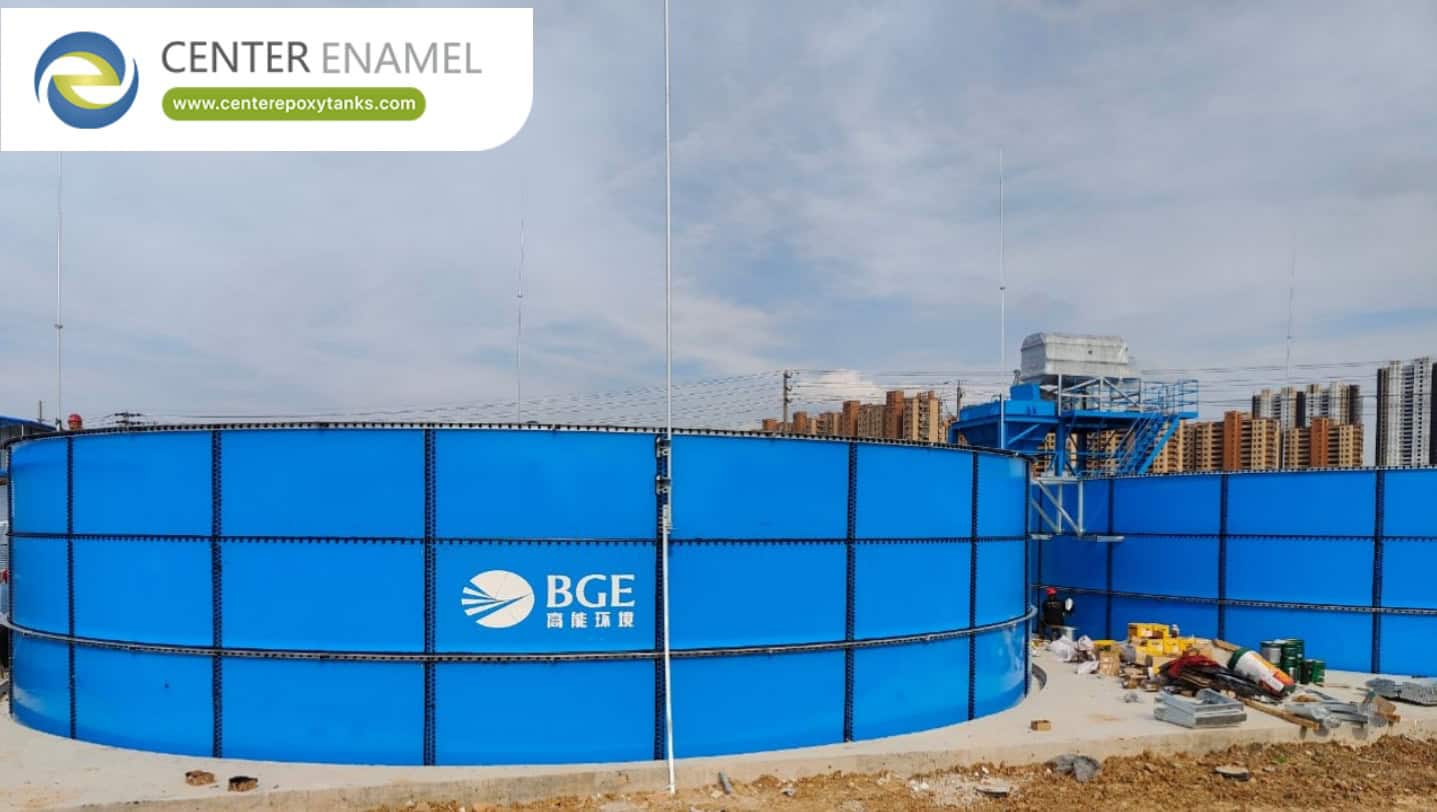
Why Choose Fusion Bonded Epoxy (FBE) Tanks?
Fusion Bonded Epoxy (FBE) tanks are selected by engineers for their chemically cross-linked, monolithic barrier that provides superior corrosion protection compared to traditional field-applied coatings. The FBE process involves applying a high-performance thermoset powder to the steel substrate in a controlled factory environment, followed by thermal curing. This creates an extremely durable, non-porous surface that resists chemical attack, abrasion, and osmosis. FBE tanks offer a high Return on Investment (ROI) due to their longevity, minimal maintenance requirements, and factory-verified quality, making them an ideal solution for municipal water, wastewater treatment, and aggressive industrial chemical storage.
The Engineering Philosophy: Why FBE Outperforms
In industrial storage, the longevity of the tank is dictated by the integrity of the internal coating. Traditional liquid-applied coatings often fail due to inconsistencies in application, inadequate surface preparation, or improper curing in the field. FBE shifts the paradigm by moving the coating process from the construction site to the factory floor.
Monolithic Barrier: FBE forms a seamless coating. Because the material is applied as a powder and heat-cured, it flows into microscopic surface irregularities, creating a physical and chemical bond that is far superior to standard mechanical adhesion.
Thermoset Stability: Once cured at high temperatures, FBE becomes a thermoset plastic. It is chemically inert, meaning it won't react with the stored product, and it maintains its structural properties across a wide temperature range—preventing the blistering or "softening" that can plague lower-grade coatings.
Factory-Controlled QA/QC: When you choose an FBE tank, you are bypassing the variables of weather, human error, and inconsistent site conditions. Every panel is inspected for thickness, adhesion, and "holidays" (pinholes) before it leaves the factory, ensuring the tank is ready for immediate service upon arrival.
Comparative Overview: Storage Coating Technologies
Feature | Fusion Bonded Epoxy (FBE) | Liquid Epoxy Coating | Glass-Fused-to-Steel (GFS) |
Bonding Type | Chemical/Thermal Fusion | Mechanical Adhesion | Molecular/Mechanical |
Curing Process | Controlled Factory Heat | Air-Cure (Variable) | High-Temp Firing |
Corrosion Resistance | Excellent | Moderate | Superior |
Impact Tolerance | High (Durable) | Moderate | Moderate (Brittle) |
Application QA | Verified (Factory) | Variable (Field) | Verified (Factory) |
Maintenance | Minimal | High (Recurrent) | Minimal |
Strategic Advantages for Facility Managers
Chemical Resistance: FBE is highly effective against a wide range of pH levels. Whether your facility is storing raw sewage, processed wastewater, or agricultural slurries, the FBE surface provides a reliable shield against corrosion and chemical degradation.
Long-Term Asset Value: By investing in FBE, you are reducing your Total Cost of Ownership (TCO). The need for interior recoating, which often requires significant downtime and manual labor, is virtually eliminated.
Safety & Compliance: FBE formulations can be certified for specific applications, such as NSF/ANSI-61 for potable water. This ensures that your storage infrastructure meets the strict regulatory requirements of municipal and industrial safety boards.
Frequently Asked Questions (FAQ)
Q: Is FBE tougher than Glass-Fused-to-Steel (GFS)?
A: GFS is chemically superior for the most extreme acidic conditions, but FBE offers better mechanical impact resistance. If your tank will be subjected to high-frequency cleaning, abrasion from solid particles, or external mechanical stress, FBE is often the more "durable" choice.
Q: Can FBE tanks be installed in remote locations?
A: Yes. FBE tanks are modular and flat-packed for shipping. They are designed to be bolted together on-site. Because the coating is factory-applied, you do not need special climate-controlled facilities or expert spray-painting teams at your job site to achieve a perfect finish.
Q: How do you verify the quality of an FBE coating?
A: Leading manufacturers use high-voltage "Holiday Testing" (spark testing) on every square inch of the coating before shipment. This ensures that not a single pinhole exists in the barrier, providing a 100% leak-proof guarantee for the coating layer.
Partnering for Infrastructure Longevity
The decision to invest in FBE technology is a decision to prioritize uptime, reduce maintenance risk, and ensure structural reliability. It is a "set-and-forget" infrastructure asset designed for the demands of 2026 industrial requirements.
Are you currently evaluating coating specifications for your next tank project?
Contact our technical engineering team to request a comparative analysis of FBE vs. GFS for your specific chemical profile and storage volume.
As you consider the long-term maintenance of your facility's storage assets, do you require a detailed breakdown of the difference in "Holiday Testing" protocols between factory-applied FBE and field-applied liquid epoxies?


