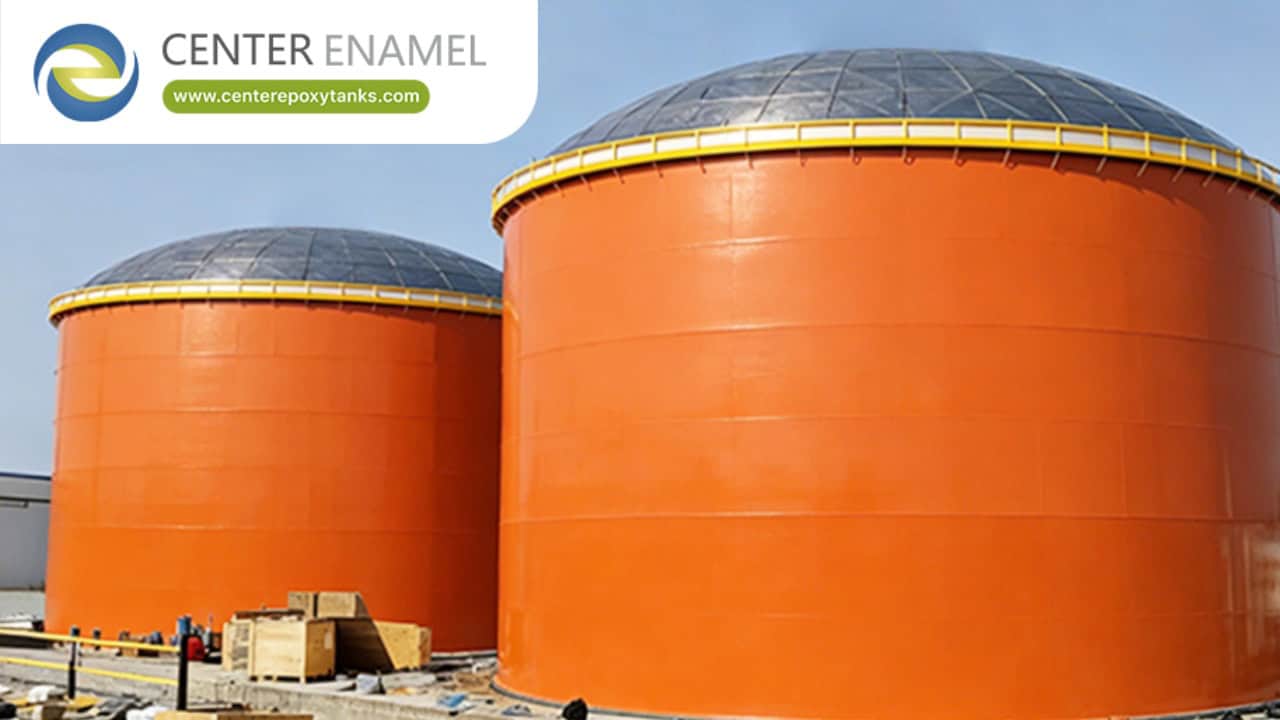
When Should You Choose a Carbon Steel Tank?
In industrial manufacturing, petroleum refining, water treatment, and chemical processing, material selection dictates the safety, longevity, and economic viability of liquid storage infrastructure. While modern options include stainless steel, fiberglass-reinforced plastic (FRP), and specialized alloys, carbon steel remains the industry's default and most widely specified material.
Understanding when to choose a carbon steel tank requires evaluating a careful matrix of mechanical requirements, chemical compatibility, project budget, and structural longevity.
1. Primary Scenarios for Choosing Carbon Steel Tanks
Carbon steel is an alloy composed primarily of iron and carbon, offering an exceptional balance of high tensile strength, ductility, and structural workability. You should select a carbon steel tank under the following operational conditions:
·
Storing Petroleum Products and Crude Oil: For sweet crude oil, diesel, fuel oils, lubricants, and refined hydrocarbon fractions at ambient temperatures, carbon steel built to API 650 standards is the universal industry standard.
·
·
Large-Scale Volumetric Capacity: When constructing massive, field-erected vertical storage tanks holding millions of gallons, carbon steel provides the necessary structural rigidity to withstand immense hydrostatic head pressure from bottom shell courses upward.
·
·
Cost-Sensitive Industrial Projects: Carbon steel offers significantly lower raw material and fabrication costs compared to austenitic stainless steels or specialized high-nickel alloys, making it ideal for capital-optimized infrastructure.
·
·
High Mechanical Strength and Seismic Resistance: In regions subject to high wind loads, seismic activity, or heavy external loads, carbon steel's robust structural yield strength ensures long-term deformation resistance.
·
2. Key Limitations and When Not to Choose Carbon Steel
While carbon steel is exceptionally versatile, it is vulnerable to oxidation (rust) and chemical attack if misapplied. Avoid carbon steel or implement heavy protective measures when:
·
Handling Highly Corrosive Chemicals or Acids: Aggressive chemicals, concentrated acids, or high-chloride solutions will rapidly pit and degrade unprotected carbon steel, requiring stainless steel or specialized internal linings.
·
·
Storing High-Purity Water or Pharmaceuticals: For applications where absolute product purity is mandatory and iron contamination cannot be tolerated, stainless steel or lined vessels are preferred.
·
·
Uncoated Corrosive Environments: If the tank will be exposed to severe marine or acidic atmospheres without proper exterior protective coatings and cathodic protection, corrosion rates will compromise shell integrity.
·
Data Table: Carbon Steel vs. Alternative Storage Tank Materials
Material Type | Cost Efficiency | Tensile Strength | Primary Stored Media | Key Limitations |
Carbon Steel (ASTM A36 / A516) | High (Cost-effective) | Very High | Crude oil, diesel, fuel oil, water, process liquids | Susceptible to rust/corrosion; requires internal/external coatings |
Stainless Steel (304 / 316) | Moderate to Low | High | Corrosive chemicals, food-grade liquids, high-purity water | Significantly higher material and welding costs |
Fiberglass (FRP) | Moderate | Moderate | Wastewater, mild acids, specialized chemicals | Lower structural impact resistance compared to steel |
Polyethylene (PE) | High (Small scale) | Low | Agricultural chemicals, water, mild reagents | Limited volumetric scaling and temperature thresholds |
3. Engineering Enhancements: Making Carbon Steel Work for Tougher Environments
Engineers frequently bridge the gap between carbon steel's economic advantages and corrosive storage requirements by utilizing specialized engineering additions:
·
Corrosion Allowances: Designing shell and bottom plates with extra steel thickness (sacrificial steel) calculated to corrode safely over a multi-decade operational lifespan.
·
·
Internal Linings and Coatings: Applying high-performance epoxy, phenolic, or polyurethane linings to isolate the carbon steel from corrosive liquids or produced waters.
·
·
Cathodic Protection: Installing sacrificial anodes or impressed current systems to prevent galvanic corrosion on tank bottoms and underground components.
·
Frequently Asked Questions (FAQ)
Q: Why is carbon steel the most common material for oil storage tanks?
A: Carbon steel provides an optimal balance of high mechanical strength, excellent workability, structural reliability, and cost-effectiveness, making it ideal for large-scale welded structures governed by standards like API 650.
Q: When should I choose stainless steel over carbon steel?
A: You should choose stainless steel when storing highly corrosive chemicals, acids, high-purity pharmaceutical liquids, or products where iron contamination and rust formation cannot be tolerated.
Q: How do you prevent a carbon steel tank from rusting?
A: Carbon steel tanks are protected against corrosion through a combination of engineered corrosion allowances (extra wall thickness), high-performance internal epoxy linings, exterior protective paint systems, and cathodic protection networks.
Q: What ASTM grades of carbon steel are typically used for storage tanks?
A: Common ASTM grades include ASTM A36 for general structural components, ASTM A283 Grade C for low-stress applications, and ASTM A516 Grade 60/70 for pressure vessel quality plates requiring higher strength and toughness.


