What Type of Agricultural Silo is Right for You? A Selection Guide
Selecting the right agricultural silo is one of the most critical infrastructure investments for any farming operation. The ideal choice depends primarily on material moisture content, storage volume, discharge frequency, and budget constraints.
A mismatched silo can lead to rapid crop spoilage, excessive labor costs, or structural failure.
The 5 Core Types of Agricultural Silos
1. Flat Bottom Grain Silos (Best for High-Volume, Long-Term Dry Storage)
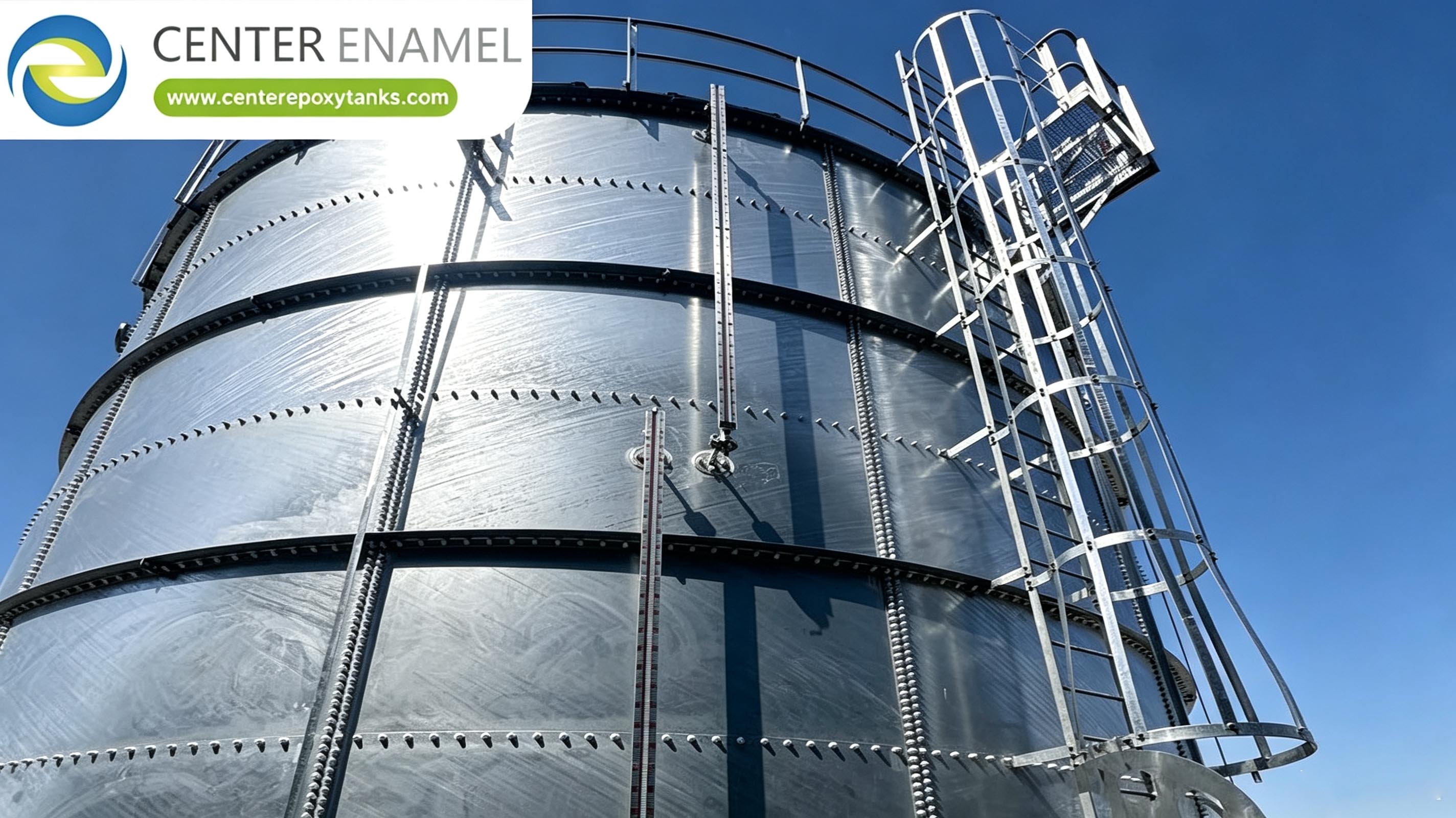
Flat bottom steel silos are the industry standard for large-scale storage of dry grains like corn, wheat, soybeans, barley, and rice (typically at moisture levels below 14–15%).
How They Work: Built directly on a flat concrete slab, these silos utilize a central gravity discharge chute for initial unloading, followed by an internal sweep auger that rotates 360 degrees along the floor to remove remaining grain.
Key Advantage: Lowest cost per ton of storage for high capacities (1,000 to over 20,000 metric tons). They easily integrate full-floor aeration systems to control grain temperature and moisture.
Limitation: Cleaning out the bottom requires mechanical intervention (sweep auger) and occasional manual labor.
2. Hopper Bottom (Funnel) Silos (Best for Frequent Turnaround & Seed)
Hopper bottom silos feature a elevated cylindrical body ending in a steep conical bottom cone (usually angled at 45 to 60).
How They Work: Material discharges entirely by gravity through the bottom cone without any internal mechanical sweep.
Key Advantage: 100% self-cleaning with zero grain damage, making them ideal for high-value seed, animal feed pellets, wet grain waiting for the dryer, or operations with frequent loading/unloading cycles.
Limitation: Higher cost per ton than flat bottom silos due to the heavy structural support legs and engineered conical base.
3. Bunker and Trench Silos (Best for High-Moisture Silage & Forage)
Bunker silos are horizontal concrete-walled structures (or open trenches) built above ground to store high-moisture livestock forage, such as chopped corn silage or grass (moisture content 60–70%).
How They Work: Forage is dumped into the bunker, packed tightly using heavy tractors to purge oxygen, and sealed with plastic sheeting and weight tarps to facilitate anaerobic fermentation.
Key Advantage: Massive volumetric capacity at a very low initial capital investment. Highly accessible for heavy farm machinery (skid steers, front loaders).
Limitation: Higher dry matter loss (typically 10–15% spoilage along edges) compared to sealed vertical silos.
4. Silo Bags / Flexible Polyethylene Bags (Best for Temporary & Flexible Storage)
Silo bags are heavy-duty, multi-layer UV-protected plastic tubes (usually 8 to 12 feet in diameter and up to 300 feet long) filled using a specialized bagging machine.
How They Work: Grains or forage are compressed into the airtight bag directly in the field, creating a hermetically sealed environment that naturally suppresses insect and mold growth.
Key Advantage: Zero permanent infrastructure required. Perfect for unexpected bumper crops, leased land, or temporary grain storage buffer during harvest.
Limitation: Single-use plastic waste, vulnerable to puncture by wildlife or machinery, and requires specialized loading/unloading equipment.
5. Slurry & Liquid Manure Silos (Best for Livestock Waste & Digestate)
Slurry silos (often constructed from Glass-Fused-to-Steel or reinforced concrete) are specifically engineered to store liquid manure, anaerobic digestate, or liquid fertilizers.
How They Work: Liquid waste is pumped into the open-top or membrane-covered tank, where submerged mixers maintain slurry homogeneity prior to field application.
Key Advantage: High chemical and corrosion resistance against aggressive pH compounds and ammonia gas.
Limitation: Requires strict compliance with environmental spill containment regulations and secondary bunding.
Comparison Matrix: Agricultural Silo Specifications
Silo Type | Primary Stored Material | Suitable Moisture Level | Capacity Range | Unloading Method | Relative CapEx (Cost/Ton) | Expected Lifespan |
Flat Bottom Silo | Dry grains, corn, wheat, soy | Low (le 15%) | 500 – 20,000+ MT | Gravity + Sweep Auger | Low to Moderate | 30 – 50+ Years |
Hopper Bottom Silo | Seeds, feed, wet grain, pellets | Low to Moderate (le 18%) | 10 – 1,500 MT | 100% Gravity | Moderate to High | 25 – 40 Years |
Bunker Silo | Chopped corn silage, alfalfa | High (60% - 70%) | 500 – 50,000+ MT | Front-end Loader | Very Low | 20 – 30 Years |
Silo Bag | Dry grain, wet grain, silage | Flexible (12% - 65%) | 150 – 500 MT per bag | Grain Extractor / Auger | Lowest Initial | 1 Season (Single use) |
Slurry Silo (GFS) | Liquid manure, bio-digestate | Liquid / Slurry | 100 – 10,000 m3 | Submerged Pump | Moderate | 30 – 40 Years |
Decision Framework: How to Choose in 3 Steps
Identify the Moisture Content:
If storing dry grain ( 15% moisture) for over 3 months rightarrow Select a Flat Bottom Galvanized Steel Silo.
If storing high-moisture forage (60% - 70%) for animal feed rightarrow Select a Bunker Silo or Tower Silage Silo.
Evaluate Your Discharge Frequency:
If you empty the silo multiple times per month (e.g., feed mills or grain trading hubs) rightarrow Choose a Hopper Bottom Silo to avoid constant manual sweep setup.
If you fill once during harvest and empty slowly over 6–12 months rightarrow Choose a Flat Bottom Silo.
Assess Land Ownership & Capital:
Frequently Asked Questions (FAQ)
Q: What is the average lifespan of a corrugated galvanized steel grain silo?
A: A well-maintained galvanized steel silo typically lasts 30 to 50 years. Lifespan depends heavily on the zinc coating thickness (e.g., 275 g/m2 to 600 g/m2) and weather exposure in humid or coastal zones.
Q: Can I store wet grain in a flat bottom silo?
A: Only for short holding periods (a few days) prior to drying. Storing wet grain (>16% moisture) in a standard flat bottom silo causes rapid heating, mold growth, insect proliferation, and risk of grain caking or bridging. Wet grain requires specialized aeration drying bins or hopper bottom wet-holding tanks.
Q: How do aeration fans protect grain inside a silo?
A: Aeration fans force ambient air through perforated floor panels to equalize grain temperature and suppress moisture migration. Keeping grain temperature below 10C (50F) halts insect reproduction and prevents mold development without needing chemical treatments.
Q: Why are Glass-Fused-to-Steel (GFS) silos preferred for slurry and manure storage?
A: GFS tanks fuse molten glass to steel sheet surfaces at 850C, creating an inert barrier that resists highly corrosive organic acids, hydrogen sulfide (H2S), and ammonia present in manure—conditions that would corrode standard galvanized steel.


