Types of Silos: A Complete Guide to Grain Bins, Towers, Bunkers, and Bags
Agricultural silos are engineered bulk storage structures designed to preserve harvested crops, livestock feed, and industrial bulk materials. Choosing the right silo type directly impacts storage capacity, crop quality, labor requirements, and long-term capital efficiency.
Silos broadly fall into two operational categories: vertical storage (steel grain bins, tower silos, hopper bins) and horizontal storage (bunker silos, trench silos, flexible silo bags).
1. Grain Bins (Flat-Bottom Galvanized Steel Silos)
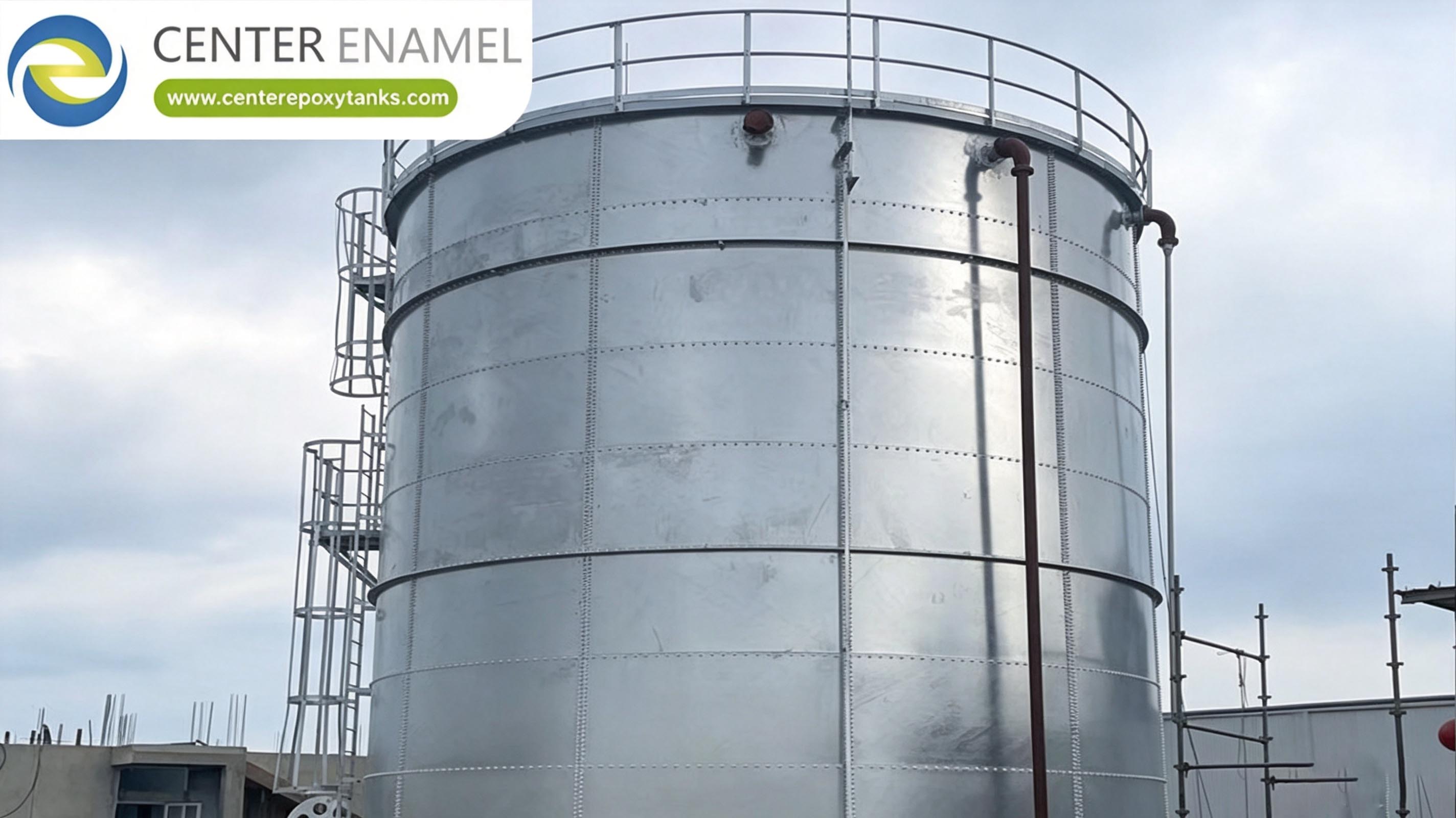
Grain bins are large, vertical, corrugated metal cylinders built on concrete foundations. Designed specifically for long-term storage of dry grains (such as corn, wheat, soybeans, and rice), they are the most recognizable bulk storage structures across modern commercial farming.
Primary Application: Dry bulk grain storage (moisture content le 15%).
Unloading Mechanism: Central floor discharge chute aided by an internal sweep auger that rotates 360 to clean out the remaining floor material.
Key Advantage: Lowest capital expenditure per ton for large storage volumes (1,000 to over 20,000 metric tons). Easy integration with perforated floor aeration fans and moisture monitoring cables.
Trade-off: Requires mechanical sweep auger setup and occasional manual cleanout.
2. Tower Silos (Concrete Stave & Oxygen-Limiting Towers)
Tower silos are tall, cylindrical vertical structures (typically 10 to 30 feet in diameter and 30 to 80 feet high) constructed from concrete staves, cast-in-place concrete, or glass-fused-to-steel panels.
Primary Application: High-moisture chopped forage, corn silage, haylage, and high-moisture corn for livestock feed.
Unloading Mechanism: Top unloader (utilizing rotating augers to blow silage down a chute) or bottom unloader (chain/arm sweeps in sealed oxygen-limiting models).
Key Advantage: Compact footprint with excellent packing density. Oxygen-limiting (Harvestore-style) models minimize feed spoilage through anaerobic preservation.
Trade-off: High initial construction cost and higher mechanical maintenance compared to horizontal bunkers.
3. Hopper Bottom Silos (Conical Funnel Bins)
Hopper bottom silos feature an elevated cylindrical shell supported by heavy steel legs, terminating in a steep 45 to 60 bottom cone.
Primary Application: High-turnaround grain handling, seed storage, wet grain holding before drying, and commercial animal feed processing.
Unloading Mechanism: 100% gravity discharge through a bottom slide gate—no internal sweep auger required.
Key Advantage: Rapid, zero-residual self-cleaning that eliminates cross-contamination between batches.
Trade-off: Higher structural cost per ton due to heavy support leg requirements; generally limited to capacities under 1,500 metric tons.
4. Bunker and Trench Silos (Horizontal Concrete Storage)
Bunker silos are above-ground horizontal structures with concrete side walls, while trench silos are excavated directly into natural ground contours.
Primary Application: High-volume livestock forage and corn silage (moisture levels 60% to 70%).
Unloading Mechanism: Direct removal using front-end tractor loaders or skid steers.
Key Advantage: Extremely low initial construction cost per unit volume and fast unloading rates for heavy feeding operations.
Trade-off: Requires thorough tractor compaction to purge oxygen, and relies on plastic sheeting weighted by tires to prevent surface spoilage.
5. Silo Bags (Flexible Polyethylene Tubes)
Silo bags are heavy-duty, multi-layer UV-stabilized plastic tubes (typically 8 to 12 feet in diameter and up to 300 feet long) filled using specialized field bagging equipment.
Primary Application: Emergency harvest overflow, temporary grain storage, and flexible field-side forage holding.
Unloading Mechanism: Specialized grain extraction augers or front-loader bucket retrieval.
Key Advantage: Zero permanent infrastructure required; flexible capacity that scales year-to-year based on crop yield.
Trade-off: Vulnerable to wildlife punctures, requires single-use plastic disposal, and requires specialized filling/extracting machinery.
Data Table: Comprehensive Silo Comparison Matrix
Silo Type | Primary Material | Optimum Moisture | Typical Capacity Range | Unloading System | Relative CapEx | Expected Lifespan |
Flat-Bottom Grain Bin | Dry grain, soy, corn | Low (le 15%) | 500 – 25,000+ MT | Gravity + Sweep Auger | Low | 30 – 50 Years |
Tower Silo | Silage, haylage, high-moisture corn | High (50% - 65%) | 100 – 1,000 MT | Top/Bottom Unloader | High | 30 – 40 Years |
Hopper Bottom Bin | Seed, pellets, wet grain | Low to Moderate (le 18%) | 10 – 1,500 MT | 100% Gravity | Moderate | 25 – 40 Years |
Bunker / Trench Silo | Chopped forage, silage | High (60% - 70%) | 500 – 50,000+ MT | Front-End Loader | Very Low | 20 – 30 Years |
Silo Bag | Dry grain or silage | Flexible (12% - 65%) | 150 – 500 MT / bag | Grain Extractor | Lowest Initial | 1 Season (Single use) |
Frequently Asked Questions (FAQ)
Q: What is the main difference between a grain bin and a silo?
A: While both store agricultural products, grain bins are wide steel structures designed specifically for dry grains (le 15% moisture) using aeration systems. Traditional silos (such as tower or bunker silos) are engineered for high-moisture forage (50% to 70% moisture) that undergoes fermentation to create silage.
Q: What type of silo is cheapest per ton of storage?
A: For dry grain, flat-bottom steel grain bins offer the lowest capital cost per ton at scale. For high-moisture forage, bunker silos and silo bags require the lowest initial capital investment.
Q: How does anaerobic fermentation work in silage storage?
A: When high-moisture forage is compacted in airtight structures (like tower silos, bunker silos, or silo bags), beneficial bacteria consume residual oxygen and convert plant sugars into lactic acid. This drops the pH to around 4.0, preserving the crop and preventing mold or bacterial decay.
Q: Can you store dry grain in a bunker silo?
A: No. Bunker silos are open to ground moisture and atmospheric humidity, which will quickly spoil dry grain. Dry grain requires moisture-tight steel or concrete bins equipped with active aeration systems.


