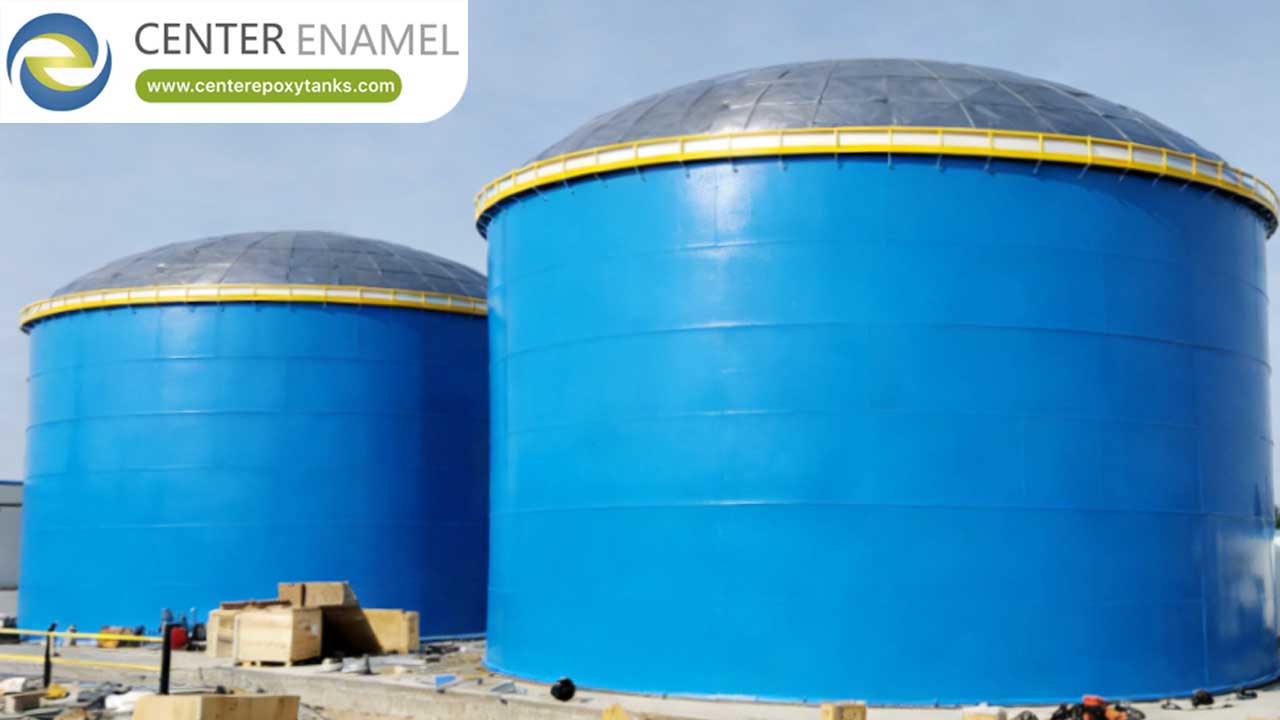
What is API 653 Storage Tank Maintenance and Repairs?
API Standard 653, together with API 510 and API 579 fitness-for-service methods, forms the integrity backbone of tank asset management. A 653 program schedules in-service and out-of-service inspections at intervals driven by corrosion rates, and translates findings — wall thinning, bottom-side corrosion, settlement, weld defects — into a repair or re-rate decision.
Repairs under 653 are anything but improvised welding. The standard prescribes authorized repair organizations, repair methods such as weld deposition and plate insertion, hot work controls on tanks that have held product, and documentation that updates the tank's permanent record after every intervention.
Why Unmanaged Tank Maintenance Becomes a Liability
Aging terminals face a quiet arithmetic: corrosion proceeds at measurable rates, and every deferred inspection widens the uncertainty. API 653 exists to turn that uncertainty into a scheduled, engineered program.
l Undetected bottom-side corrosion is the leading cause of catastrophic releases in older tanks.
l Out-of-date thickness data blocks re-rating, capacity changes, and change-of-service approvals.
l Non-qualified repairs void insurance cover and complicate eventual resale or decommissioning.
The API 653 Inspection-to-Repair Cycle
A compliant integrity program cycles through four stages:
1. Inspection Planning: Corrosion rates and service history set in-service (UT, visual, MFL) and out-of-service inspection intervals, with RBI options to extend cycles.
2. Data Evaluation and Fitness for Service: Measured minimum thicknesses, settlement surveys, and defect characterization are evaluated against 653 acceptance criteria and API 579 methods.
3. Repair Engineering: Qualified repair organizations design plate insertions, weld build-up, bottom replacement, roof repairs, or foundation correction with hot-work and gas-freeing plans.
4. Documentation and Re-Rate: Post-repair examination, updated calculations, and revised inspection intervals close the loop in the tank's permanent record.
API 653 Program vs Reactive Maintenance vs Run-to-Failure
Management Approach | API 653 Program | Reactive Repair | Run-to-Failure |
Release Risk | Managed through scheduled inspection and engineered repair | Elevated — defects found after leakage | Highest — bottom failure probability rises with age |
Regulatory Standing | Recognized compliance framework for AST integrity | Difficult to demonstrate to regulators | Non-compliant in most jurisdictions |
Cost Profile | Planned spend, optimized intervals, life extension | Emergency premiums and downtime | Catastrophic cleanup and replacement cost |
Asset Value | Documented integrity supports re-rate and resale | Record gaps erode value | Write-off at failure |
API 653 Maintenance and Repair Scope
l In-service and out-of-service thickness inspection programs
l Tank bottom replacement and bottom-side corrosion repair
l Shell plate insertion and weld metal restoration
l Roof replacement, seal repair, and floating roof overhaul
l Foundation, settlement, and anchorage correction
l Re-rating and change-of-service engineering
Key Advantages of an API 653-Driven Program
1. Leak Prevention by Design
Scheduled MFL and UT inspection of bottoms catches corrosion before release — protecting soil, groundwater, and the operator's license to operate.
2. Life Extension Instead of Replacement
Engineered repairs executed by certified organizations routinely add 20+ years to tank service life at a fraction of replacement cost.
3. Continuous, Portable Documentation
Every 653 intervention updates a portable integrity record that survives ownership changes, audits, and financing reviews.
Quality Standards and Proven References
Center Enamel provides design, fabrication, construction, and aftermarket services for storage tanks and silos under ISO 9001 and ISO 45001 certified quality systems, with EN 1090 structural steel certification. With three decades of experience and projects delivered to more than 100 countries — including biogas and wastewater references for Paques and Veolia and industrial references for PetroChina and Sinopec — the company supports tank assets from commissioning through decades of inspection-driven service.
Frequently Asked Questions (FAQ)
Q: How often must a tank be inspected under API 653?
A: Inspection intervals are corrosion-rate based; routine in-service inspection is commonly on the order of 5 to 10 years for the external review and up to 20 years or a corrosion-rate-determined term for internal out-of-service inspection, with RBI adjustments.
Q: Who can perform API 653 repairs?
A: Repairs must be executed by an authorized repair organization with certified API 653 inspectors and qualified welding procedures under a documented quality system.
Q: Can a badly corroded tank be re-rated instead of scrapped?
A: Often yes. Fitness-for-service evaluation per API 579 can justify continued operation at reduced conditions, or engineered repairs can restore the original rating.
Q: What is the expected lifespan of a professionally engineered steel tank?
A: Steel tanks designed and built to recognized codes (API 650, API 620, AWWA D100, or ASME Section VIII) and maintained under scheduled inspection, coating, and repair programs routinely deliver service lives exceeding 30 years — and tanks managed under API 653-class integrity programs commonly remain in safe service for 50 years or more.


