What Is an Intermediate Chemical Storage Tank? Process Buffering, Material Selection, and Industrial Applications
In complex chemical manufacturing, petrochemical refining, pharmaceutical synthesis, and industrial processing, multi-step reaction and separation trains rarely operate at a uniform, uninterrupted rate. Downstream distillation columns, reactors, or packaging lines often require timed batches, while upstream units generate continuous output. Bridging these operational discrepancies requires specialized temporary containment.
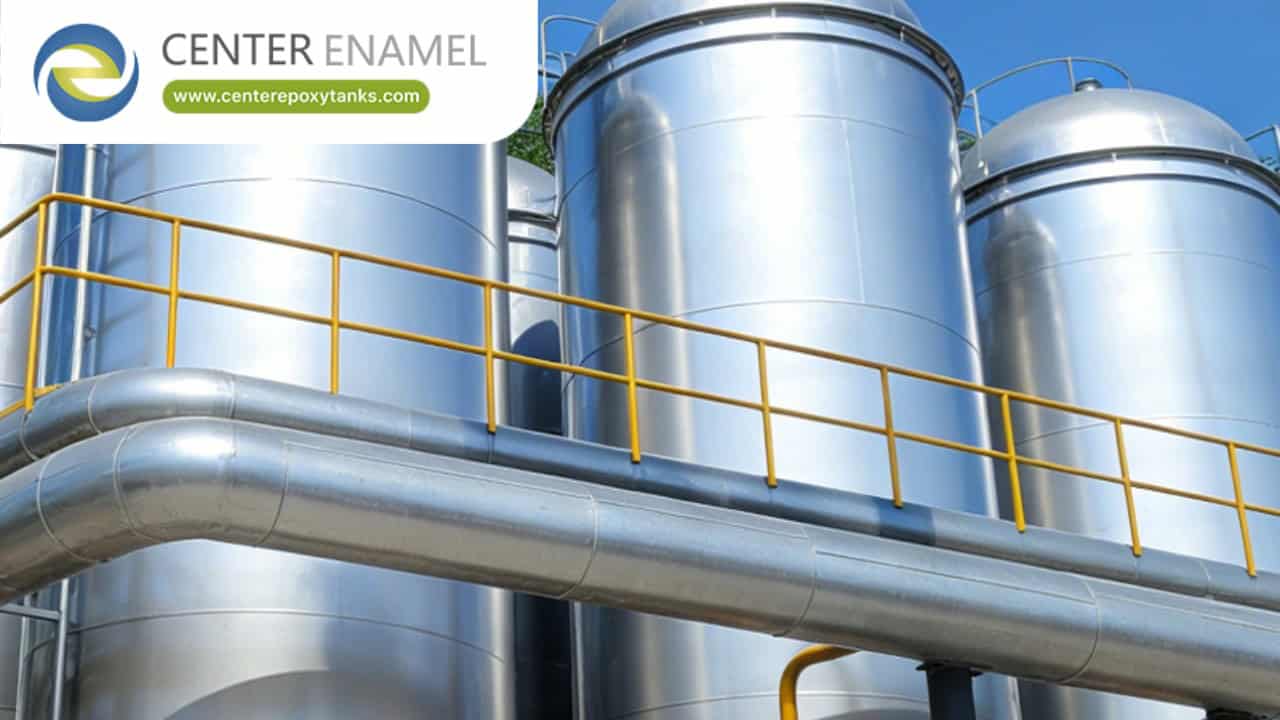
An intermediate chemical storage tank (frequently referred to as a process buffer tank, run tank, or industrial day tank) is a specialized containment vessel positioned between successive unit operations in a manufacturing plant to hold, stabilize, blend, or buffer intermediate chemical streams before they are transferred to subsequent processing stages.
1. Core Functions in Industrial Processing Plants
Intermediate chemical storage tanks serve several essential operational roles within an industrial production facility:
Hydraulic and Rate Buffering: They absorb flow rate fluctuations between continuous upstream production units and batch-fed downstream equipment, preventing bottlenecks and emergency shutdowns.
Quality Assurance and Testing Holds: Intermediate tanks provide a secure staging area where semi-processed chemical batches can be sampled, tested for chemical composition, and adjusted before being released to the next production step.
Thermal and Compositional Blending: Equipped with internal agitators or recirculation loops, these vessels homogenize variable chemical streams, ensuring a consistent mixture for downstream reactions.
2. Approved Materials of Construction
Because intermediate streams frequently contain reactive chemicals, solvents, acids, or heated reactants, tank material selection is governed by the specific chemical environment:
A. Stainless Steel (Grades 304 / 316L)
The industry standard for chemical processing, fine chemicals, and pharmaceutical intermediate holding. Stainless steel provides high structural strength, smooth interior finishes, and resistance to a broad range of organic and inorganic compounds.
B. Cross-Linked Polyethylene (XLPE)
Widely utilized for moderate chemical dosing, water treatment intermediate solutions, and auxiliary feed loops. Rotationally molded XLPE tanks manufactured to ASTM D1998 standards offer seamless construction and excellent corrosion resistance.
C. Glass-Lined Steel
Employed when storing aggressive, highly reactive, or ultra-pure chemical intermediates that would otherwise corrode standard metallic alloys or leach impurities into the batch.
Data Table: Intermediate Chemical Storage Tank Matrix
Tank Configuration | Primary Shell Material | Typical Capacity Range | Primary Industrial Application | Governing Engineering Standards |
Process Buffer Vessel | 316L Stainless Steel | 1,000 to 20,000 Liters | Chemical synthesis, pharmaceutical intermediate staging | ASME Sec. VIII / cGMP |
Industrial Day Tank | XLPE / HDPE Polymer | 500 to 50,000 Liters | Water treatment, general chemical batching | ASTM D1998 / UL 142 |
Heavy-Duty Reaction Intermediate Tank | Glass-Lined Carbon Steel | 5,000 to 50,000+ Liters | Petrochemical processing, corrosive fluid buffering | ASME / API 650 |
3. Safety, Automation, and Regulatory Compliance
Managing intermediate chemical inventories requires strict adherence to environmental and safety protocols:
Automated Level and Overflow Interlocks: Integrated radar level sensors and high-level alarms link directly to plant Distributed Control Systems (DCS) to prevent overfilling and catastrophic spills.
Secondary Containment Dikes: In accordance with OSHA and EPA regulations, intermediate tanks storing hazardous chemicals must be enclosed within secondary containment structures engineered to capture at least 110% of the volume of the primary vessel.
Frequently Asked Questions (FAQ)
Q: What is an intermediate chemical storage tank?
A: An intermediate chemical storage tank is a process buffer vessel placed between manufacturing steps to temporarily hold, blend, and regulate chemical streams before downstream processing.
Q: Why are intermediate buffer tanks necessary in chemical manufacturing?
A: They absorb operational rate mismatches between continuous and batch processes, allow time for quality testing, and provide stable hydraulic feeds to downstream equipment.
Q: What materials are commonly used to build chemical intermediate tanks?
A: They are typically constructed from 304 or 316L stainless steel, cross-linked polyethylene (XLPE), or glass-lined steel, depending on chemical reactivity and purity requirements.
Q: How do intermediate day tanks differ from bulk storage tanks?
A: Day tanks are typically smaller, positioned closer to active process lines, and designed for immediate operational use or daily chemical consumption rather than long-term raw material storage.


