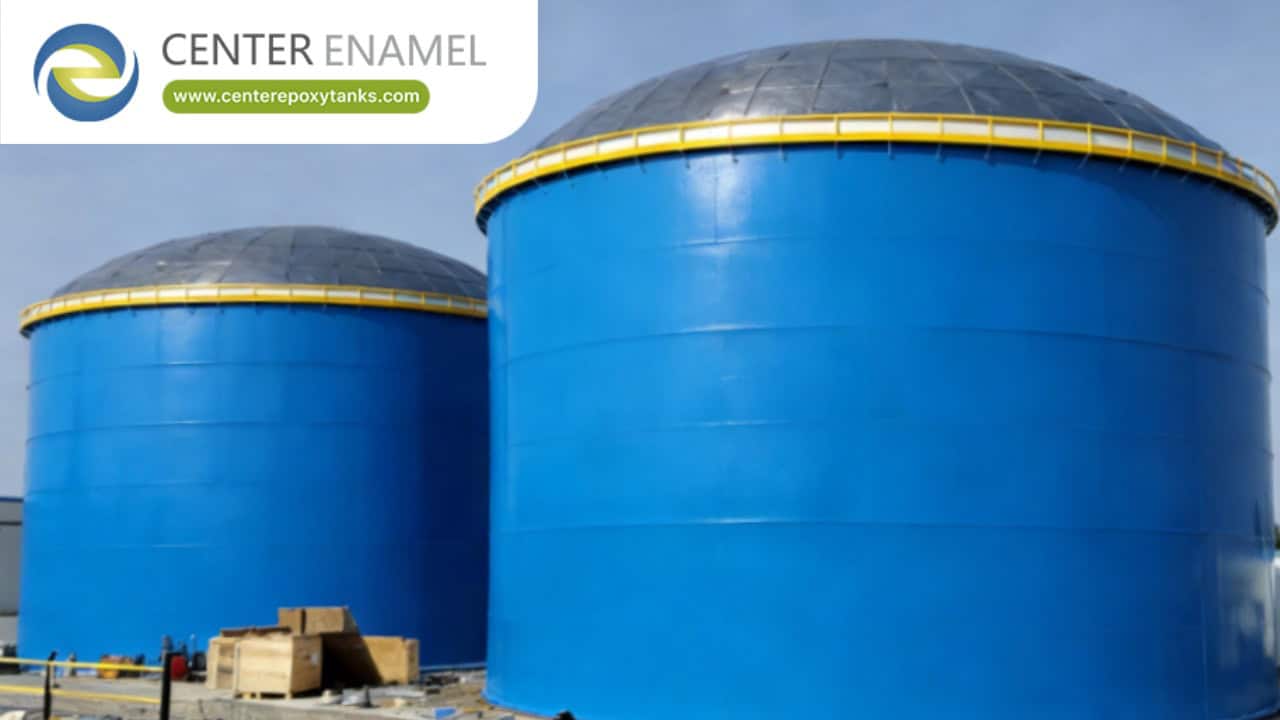
What is an Emergency Fuel Oil Storage Tank?
An emergency fuel oil storage tank is an industrial containment vessel designed to provide a reliable, immediate supply of fuel to critical backup power systems—most commonly diesel generators—during power outages or natural disasters.
Unlike standard fuel storage, these systems are engineered with "emergency preparedness" as the primary objective. They ensure that hospitals, data centers, telecommunication hubs, and government facilities can maintain continuous operations when the primary grid fails.
Core Components and Configurations
Emergency fuel storage is rarely a "one-size-fits-all" solution. The design usually depends on the facility's runtime requirements and load demands. Common configurations include:
Sub-base Tanks: Integrated directly beneath the generator set, providing a space-efficient, "ready-to-use" fuel source for smaller capacity needs.
Day Tanks: Smaller service tanks located close to the engine that regulate pressure and provide a consistent fuel flow, typically fed by a larger bulk tank.
Bulk Storage Tanks: Large-scale, primary containment vessels (often aboveground or underground) that hold the main reserve of fuel to meet extended runtime requirements (e.g., 24–96 hours of operation).
Regulatory and Safety Standards
Because these tanks hold combustible liquids, they must adhere to strict safety codes to prevent environmental contamination and fire hazards:
NFPA 110: This standard dictates requirements for Emergency Power Supply Systems (EPSS), often requiring tanks to hold enough fuel for a specific class of runtime (e.g., 48 hours) plus a safety margin.
Secondary Containment: To prevent soil and groundwater contamination, single-walled tanks must be placed in a containment area (e.g., a bund wall) capable of holding 110% of the tank’s volume. Double-walled tanks are often preferred for their integrated leak detection capabilities.
API 650: This is the global standard for welded steel tanks, ensuring structural integrity against hydrostatic and seismic loads.
Ensuring Reliability: Fuel Maintenance
A common misconception is that fuel can sit in a tank indefinitely. Fuel quality is the "hidden" variable of emergency preparedness. Diesel fuel typically remains serviceable for 6–12 months if untreated. Over time, oxidation, water condensation, and microbial growth can create gums and sediments that plug filters and fail the engine.
Best Practice: Implement a regular testing and filtration program. Sampling the tank bottom for water, rotating fuel, and using stabilizing additives are essential for ensuring the generator starts exactly when you need it.
Frequently Asked Questions (FAQ)
Why are emergency fuel tanks subject to such strict regulations?
Because they often store large quantities of flammable fuel in critical environments (like hospitals), they represent a dual risk: the risk of fire and the risk of environmental contamination through leaks. Regulations like NFPA 30 and SPCC guidelines ensure these risks are mitigated through proper design and containment.
How long should an emergency fuel system last?
Regulations often specify a "class" of runtime (e.g., 48-hour or 96-hour systems). Your tank size should be engineered to meet your specific facility's required runtime, plus a safety margin (typically 10–20% additional capacity) to account for expansion and unusable volume.
Is diesel the best fuel for emergency storage?
Diesel is the industry standard for commercial and industrial backup power because it provides high energy density and, with proper maintenance, a reliable shelf life. While natural gas generators exist, they can struggle with "start-time" requirements (e.g., the 10-second start rule for critical systems) compared to diesel.
What is the "day tank" and why is it needed?
A day tank provides a small, consistent head of fuel to the engine’s fuel pump, helping to regulate pressure and ensuring the engine doesn't have to draw directly from a large, distant, or pressurized bulk tank, which could cause combustion issues.
To help me provide more tailored guidance: Are you currently planning an installation for a specific facility type, such as a data center or industrial site, or are you looking for maintenance protocols for existing equipment?


