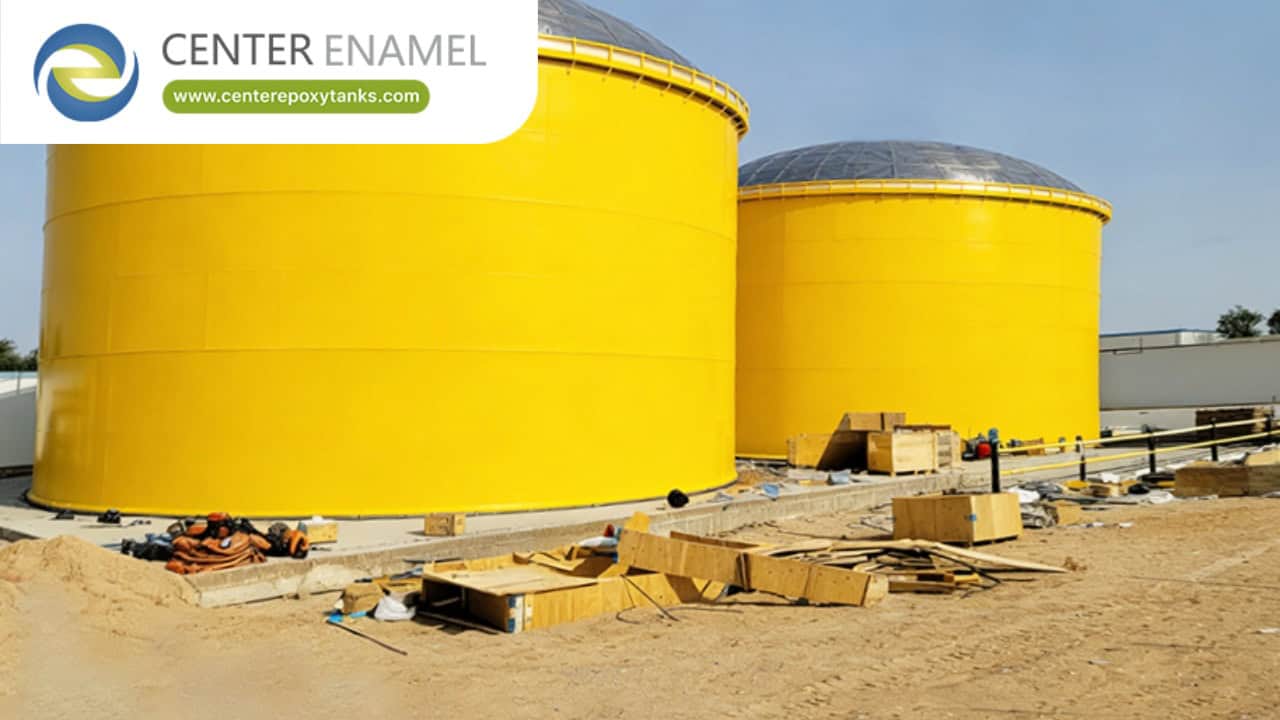
Bulk Oil Storage Tanks: Engineering & Manufacturing Standards
Bulk oil storage tanks are the critical infrastructure of energy, petrochemical, and logistics sectors. Whether for crude oil, refined fuels, or specialized industrial lubricants, these vessels must adhere to rigorous engineering standards to ensure safety, structural integrity, and environmental protection.
The Gold Standard: API 650 Compliance
The definitive baseline for high-capacity oil storage is API 650 (Welded Tanks for Oil Storage). Specifying an API 650-compliant manufacturer is the most critical decision in the procurement process.
Key design elements governed by this standard include:
Material Selection: Use of carbon or stainless steel based on product compatibility and corrosion resistance.
Shell Thickness: Calculated based on hydrostatic head, diameter, and specific gravity of the liquid to ensure the shell can withstand operational loads.
Welding Quality: Strict requirements for submerged arc welding (SAW) and flux-cored arc welding (FCAW) to create leak-free, high-strength joints.
Environmental Design: Calculations for site-specific wind, seismic, and thermal conditions.
Critical Considerations for Procurement
When evaluating a manufacturer for bulk oil storage, move beyond basic capacity specs to focus on long-term operational viability.
Consideration | Engineering Impact |
Corrosion Allowance | Increases service life by adding "sacrificial" thickness to steel plates. |
Leak Detection | Integration of secondary containment and real-time monitoring systems. |
Coating/Lining | Specialized internal coatings prevent chemical degradation and contamination. |
Inspection Access | Properly designed manways and nozzles facilitate safer, more efficient internal maintenance. |
The Manufacturing Lifecycle
A high-performance manufacturer provides more than just the vessel; they provide an integrated engineering service:
Structural Engineering: FEA (Finite Element Analysis) for seismic and environmental stability.
Fabrication: Controlled shop environments ensure precision in plate rolling and welding quality.
Hydrostatic Testing: Verification of structural integrity by filling the tank to design capacity to monitor for leaks or deformation.
Surface Treatment: Blast cleaning and application of high-performance anti-corrosive paint systems.
Frequently Asked Questions (FAQ)
What is the difference between shop-assembled and field-erected tanks?
Shop-assembled tanks are pre-fabricated in controlled factory conditions, suitable for smaller volumes, and offer higher precision. Field-erected tanks are built on-site, allowing for the massive, large-diameter structures required by major oil terminals, and are governed by strict API 650 field-welding protocols.
How do I prevent product contamination in bulk storage?
Contamination is managed through physical segregation (dedicated tanks for different grades), regular internal inspections, and the use of high-grade stainless steel or specialized internal linings that do not react with stored liquids.
Why is API 650 certification important?
API 650 provides a globally recognized framework for safety, sustainability, and structural performance. It ensures that the manufacturer uses validated design, material, and testing procedures, reducing the risk of environmental disasters and ensuring insurance/regulatory compliance.
What is the purpose of a floating roof in bulk tanks?
Floating roofs sit directly on the liquid surface, eliminating the vapor space above the oil. This significantly reduces evaporative losses (VOC emissions) and fire risk, making it an essential feature for volatile products like gasoline or light crude.
Would you like me to generate a specific technical data sheet template that you can use to request quotes from vendors, or perhaps expand on the specific welding inspection protocols we should prioritize in our RFPs?


