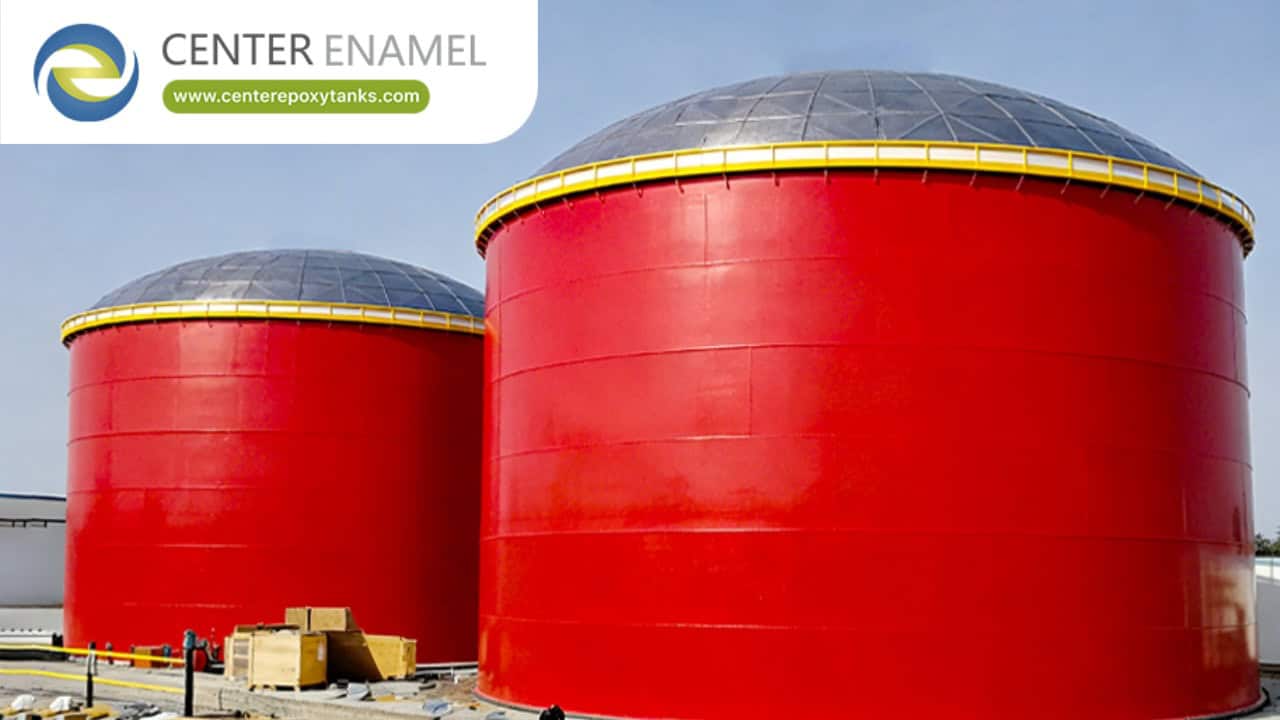
What is an Asphalt Storage Tank?
An asphalt storage tank—also widely referred to as a bitumen storage tank or hot mix asphalt (HMA) reservoir—is a specialized industrial containment vessel engineered to store petroleum-based asphalt or bitumen at elevated, precisely controlled temperatures (typically ranging from 150°C to 180°C).
Because asphalt is a semi-solid hydrocarbon at ambient temperatures, it must be continuously heated to remain in a pumpable, liquid state for road construction, roofing manufacturing, and infrastructure paving projects. Asphalt storage tanks combine heavy-duty carbon steel structural shells with high-efficiency thermal insulation layers and advanced internal heating systems (such as thermal oil coils or electric heating elements) to prevent cooling, oxidation, and coking.
Key Design and Engineering Components
The reliable operation of an industrial asphalt storage tank depends on several integrated mechanical and thermal subsystems:
1.
Heavy-Duty Steel Shell: Constructed from high-tensile carbon steel panels designed to withstand the hydrostatic pressure of dense, heated liquids while resisting thermal expansion stress.
2.
3.
High-Performance Thermal Insulation: Wrapped in thick layers of rockwool or fiberglass insulation (often 100mm to 150mm thick) and sealed with an exterior aluminum or galvanized steel weather jacket to minimize heat loss and maximize energy efficiency.
4.
5.
Integrated Heating Systems: Utilizes internal thermal oil heating coils, electric immersion heaters, or direct-fired hot oil loops to maintain uniform internal temperatures without causing localized overheating or burning of the bitumen.
6.
7.
Agitation and Recirculation Ports: Equipped with high-torque mechanical agitators or high-capacity recirculation pumps, particularly when storing Polymer-Modified Bitumen (PMB), to prevent phase separation and additive settling.
8.
Technical Performance Matrix: Asphalt Storage Technologies
Technical Parameter | Vertical Stationary Asphalt Tanks | Horizontal Bitumen Storage Tanks | Portable Mobile Asphalt Tanks |
Spatial Footprint | Small vertical footprint; highly efficient for high-capacity terminal storage | Larger horizontal footprint; requires extensive ground space | Compact, chassis-mounted design built for rapid site relocation |
Thermal Efficiency | Excellent; lower surface-to-volume ratio reduces radiant heat loss | Moderate; larger surface area requires robust insulation maintenance | High mobility, though sensitive to wind cooling during transit |
Capacity Range | High capacity (often 50 metric tons to thousands of tons) | Medium capacity (typically 30 to 100 metric tons) | Lower capacity (suited for temporary or mobile road construction sites) |
Agitation & Blending | Easily fitted with top-entry high-torque mixers for PMB blending | Requires specialized horizontal mixing nozzles or recirculation loops | Standard recirculation pumps used for basic asphalt mixing |
Key Applications in Infrastructure and Industry
Asphalt storage tanks serve as critical nodes in the supply chain for modern civil engineering and manufacturing sectors:
·
Asphalt Batching and Mixing Plants: Storing bulk liquid bitumen before it is blended with hot aggregates to produce Hot Mix Asphalt (HMA) for highway and urban road paving.
·
·
Polymer-Modified Bitumen (PMB) Terminals: Acting as specialized blending and holding vessels where elastomeric polymers are mixed into bitumen to enhance elasticity and rutting resistance.
·
·
Roofing and Waterproofing Manufacturing: Supplying continuous, high-temperature bitumen to production lines for asphalt shingles, roll roofing, and waterproofing membranes.
·
Frequently Asked Questions (FAQ)
Q: What temperature are asphalt storage tanks maintained at?
A: Asphalt storage tanks are typically maintained between 150°C and 180°C (302°F to 356°F). This temperature range ensures the bitumen remains fluid enough for pumping and mixing without overheating, which can cause oxidation, hardening, or coking inside the tank.
Q: How do asphalt storage tanks prevent bitumen from cooling and solidifying?
A: Asphalt tanks utilize heavy-duty thermal insulation (such as rockwool covered by an aluminum weather jacket) combined with internal heating mechanisms, such as circulating hot thermal oil coils or electric heating elements, to maintain a constant, uniform temperature.
Q: What is the difference between vertical and horizontal asphalt storage tanks?
A: Vertical asphalt tanks have a smaller spatial footprint, offer better thermal efficiency due to a lower surface-to-volume ratio, and are ideal for high-capacity storage terminals. Horizontal tanks are lower to the ground, easier to transport, and well-suited for medium-capacity or temporary asphalt batch plants.
Q: Can asphalt storage tanks be used for polymer-modified bitumen (PMB)?
A: Yes, provided the tank is equipped with high-torque mechanical agitators or automated recirculation systems. PMB contains additives that can separate over time if the liquid is not gently and continuously stirred while heated.


