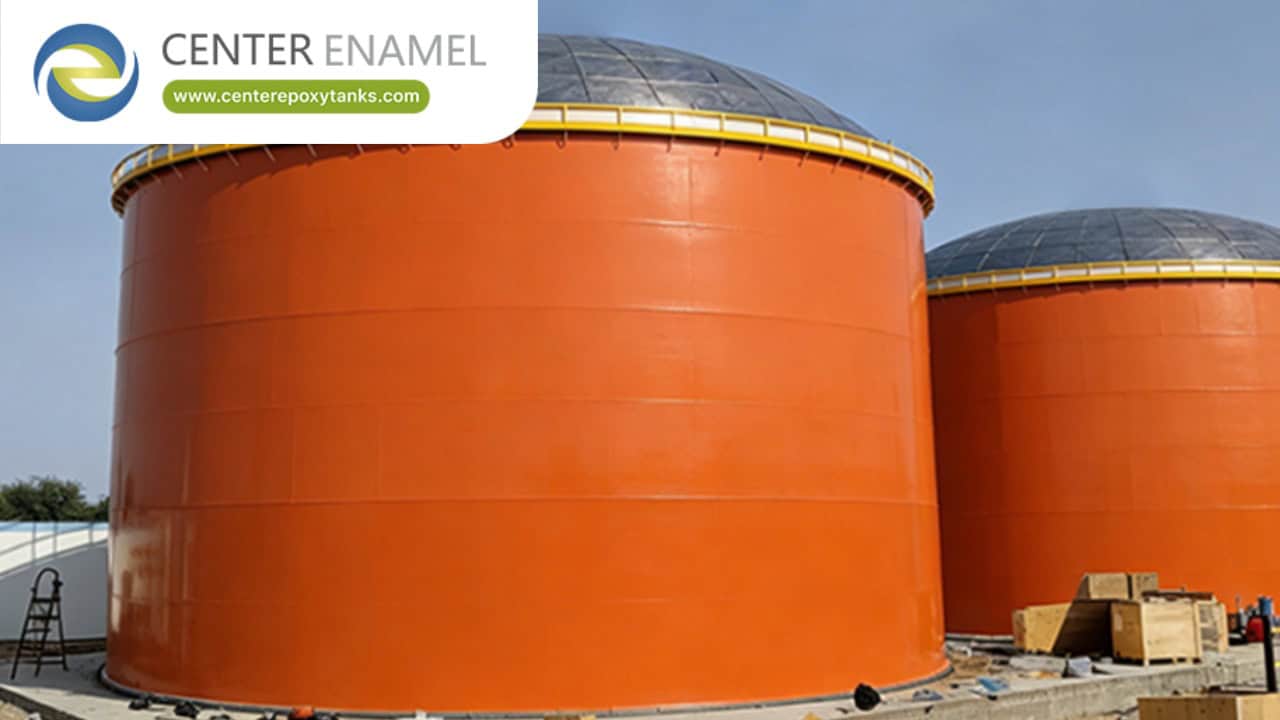
What is a Vertical Oil Storage Tank? An Engineering Overview
A vertical oil storage tank is a cylindrical vessel designed to store petroleum products, crude oil, and refined fuels in a vertically erect orientation. These tanks are the workhorses of the energy sector, favored for their ability to maximize storage volume while occupying a minimal ground footprint.
Engineered to operate at atmospheric or near-atmospheric pressures, these tanks are critical components in refineries, oil fields, and distribution terminals. Their design and construction are predominantly governed by the API 650 standard, which ensures they can withstand hydrostatic loads, environmental forces (wind/seismic), and the corrosive nature of stored hydrocarbons.
Engineering Standards & Design
The structural integrity of a vertical oil tank is not accidental; it is the result of rigorous engineering standards.
The Role of API 650
The American Petroleum Institute (API) 650 is the definitive global standard for welded, vertical, cylindrical, aboveground storage tanks. It mandates:
● Material Selection: Requirements for plate grades (e.g., ASTM A36) based on design temperature and thickness.
● Weld Integrity: Strict qualifications for welding procedures and non-destructive testing (NDT), such as radiographic or ultrasonic testing.
● Load Calculations: Engineering considerations for liquid head, wind, and seismic events specific to the installation site.
Key Structural Components
● Tank Bottom: Rests on a prepared foundation (typically a concrete ring wall); designed to support the full hydrostatic weight of the liquid.
● Shell Courses: The vertical wall, composed of overlapping steel plates of varying thickness—thicker at the bottom to handle higher pressure and thinner toward the top.
● Roof: Can be fixed (cone/dome) for stable products or floating for volatile products to minimize vapor space and emissions.
Vertical vs. Horizontal: Why Choose Vertical?
The decision between a vertical and horizontal configuration is a fundamental engineering trade-off between space, pressure, and accessibility.
Feature | Vertical Oil Storage Tank | Horizontal Storage Tank |
Footprint | Compact (High space efficiency) | Large (Requires more ground space) |
Capacity | High (Optimal for bulk storage) | Limited by length/diameter |
Pressure Handling | Low (Atmospheric) | High (Often better for pressure) |
Best Application | Crude oil, refined fuel, refineries | Underground storage, transport, small-scale |
Advantages of the Vertical Design:
● Space Optimization: Vertical orientation utilizes height to achieve massive volumes without expanding the facility's land footprint.
● Self-Draining/Gravity Feed: The height provides "head pressure," which can assist in the gravity-fed movement of oil, reducing pump energy requirements.
● Ease of Inspection: Large-diameter tanks often include manways that simplify internal access for cleaning and inspection.
Frequently Asked Questions (FAQ)
Q: What is the capacity range for a typical vertical oil tank?
A: Vertical oil storage tanks vary significantly in size, ranging from small field-distribution tanks holding roughly 100 cubic meters to massive refinery storage vessels with capacities exceeding 150,000 cubic meters.
Q: Why do some vertical tanks have floating roofs?
A: Floating roofs are designed to sit directly on the surface of the liquid. For volatile products like crude oil or gasoline, this eliminates the "vapor space" above the liquid, significantly reducing evaporation loss and volatile organic compound (VOC) emissions.
Q: Are vertical tanks stable in high-wind or seismic zones?
A: Yes, but they require specific engineering. API 650 includes annexes (such as Annex E) that provide specific guidelines for designing tanks to withstand seismic activity and wind loads, ensuring they are anchored correctly to the foundation.
Q: How do you prevent corrosion in a vertical steel tank?
A: Corrosion is managed through multiple layers of defense: selecting appropriate steel grades, applying protective exterior coatings, using interior linings compatible with the specific product, and implementing cathodic protection systems to prevent electrochemical degradation of the tank bottom.
Are you currently evaluating containment solutions for an energy or industrial facility? Understanding the specific hydrostatic and environmental loads of your site is the first step toward selecting the right vertical tank configuration.


