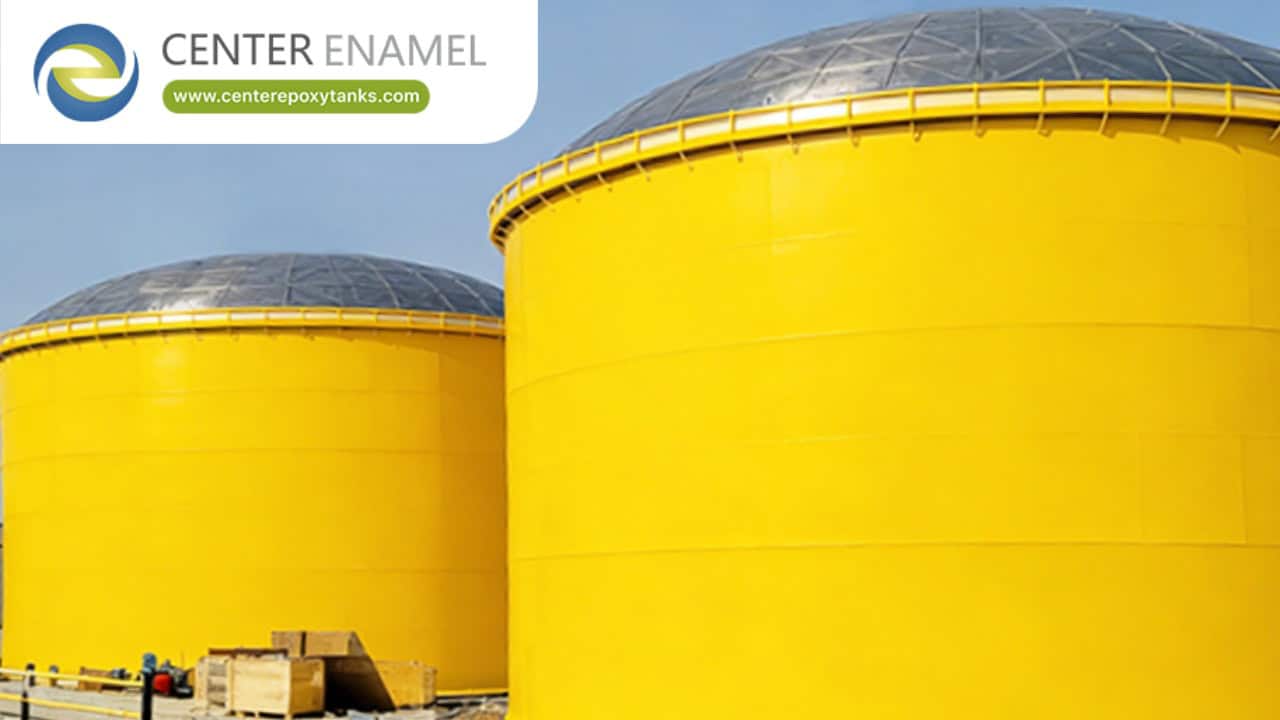
What Is a Steel Tank Manufacturer for Industry & Fuel?
A steel tank manufacturer for industry and fuel is a code-certified fabricator of storage vessels for petroleum, fuel, chemical, and industrial liquid service — engineering tanks to API, UL, ASME, and AWWA standards, fabricating them under certified quality systems, and supporting installation, inspection, and documentation through the asset's life.
What Does a Steel Tank Manufacturer Do?
The role spans far deeper than welding steel. A serious tank manufacturer maintains the design engineering to size vessels to code, the certified quality system auditors inspect, the material procurement chains that guarantee traceable steel, the coating capabilities that protect the product, and the documentation discipline that produces the data books owners rely on for decades.
For fuel and industrial liquid service specifically, the manufacturer's obligations intensify: flammable and combustible liquids bring fire code (NFPA 30/30A/31), environmental containment (SPCC), and listing or code requirements (UL 142, UL 2085, API 650) that define every stage from design to delivery. Choosing the manufacturer is choosing the compliance pedigree the tank will carry for its entire life.
How to Qualify a Tank Manufacturer
Buyers who evaluate only price and delivery discover the differences later — in approval delays, inspection findings, and warranty disputes. Qualification is a document exercise: certifications, references, and quality systems.
l Relevant code experience with the exact standard the project cites.
l Certified quality systems and traceable material control.
l References at the capacity and service class being purchased.
How a Manufacturer Executes a Tank Order
A code tank passes through a controlled production system:
1. Order Engineering: The purchase specification is converted into calculations, drawings, and a quality plan specific to the code basis (API, UL, ASME, AWWA).
2. Certified Material and Fabrication: Traceable steel is formed, welded, and finished under certified procedures with in-process inspection.
3. Coating, Testing, and Documentation: Interior and exterior systems are applied and tested, the vessel is leak- and pressure-tested as applicable, and the complete data book is compiled.
4. Delivery and Site Support: The tank ships with installation documentation, and manufacturers support erection supervision, commissioning, and inspection programs.
Evaluating Tank Manufacturers
Evaluation Dimension | Code-Certified Manufacturer | Uncertified Fabricator |
Code Compliance | API, UL, ASME, AWWA basis with certificates | Builds to drawings without code authority |
Quality System | Audited QMS with traceable material records | Shop practices without external audit |
Documentation | Complete data book for approvals and resale | Invoice and basic drawings |
Aftermarket Support | Inspection, repair, and expansion services | Scope ends at delivery |
Industrial and Fuel Tank Portfolio
l Diesel, gasoline, and aviation fuel storage to UL and fire codes
l Heavy fuel oil and heated product tanks for industry
l API 650-class tanks for terminals and plants
l Chemical storage with linings and alloys
l Generator day tanks and fuel systems for critical facilities
l Water and fire protection storage for industrial sites
Key Advantages of Certified Tank Manufacturers
1. Compliance That Clears Approval
Certifications and code documentation satisfy fire marshals, insurers, and engineers on first submission — the schedule value alone justifies manufacturer selection care.
2. Manufacturing Quality You Can Audit
Certified quality systems with material traceability mean every plate and weld in the delivered tank has a verifiable pedigree.
3. A Partner for the Tank's Whole Life
The manufacturer that built the vessel supports its inspection, repair, and expansion for decades — institutional knowledge that no third party can reconstruct.
Quality Standards and Proven References
Center Enamel engineers and manufactures welded steel storage tanks in accordance with API 650, API 620, and API 12F, with in-service repairs and alterations executed under API 653 discipline. Manufactured under ISO 9001 and ISO 45001 certified quality systems and certified to EN 1090, the company's tank projects span crude oil, refined product, chemical, and water service — with references including PetroChina and Sinopec and deliveries to more than 100 countries.
Frequently Asked Questions (FAQ)
Q: What certifications matter for a fuel tank manufacturer?
A: For fuel service: UL 142/2085 listing capability, API 650 experience for larger tanks, ASME stamps where pressurized, and a certified quality management system — verified through references.
Q: Can one manufacturer supply tanks to multiple codes?
A: Yes — established manufacturers hold overlapping capabilities (API, UL, ASME, AWWA) and route each project through the applicable certification path.
Q: Do manufacturers provide installation?
A: Most offer full delivery models: supply-only with installation documentation, or turnkey packages with certified erection crews and commissioning support.
Q: What is the expected lifespan of a professionally engineered steel tank?
A: Steel tanks designed and built to recognized codes (API 650, API 620, AWWA D100, or ASME Section VIII) and maintained under scheduled inspection, coating, and repair programs routinely deliver service lives exceeding 30 years — and tanks managed under API 653-class integrity programs commonly remain in safe service for 50 years or more.


