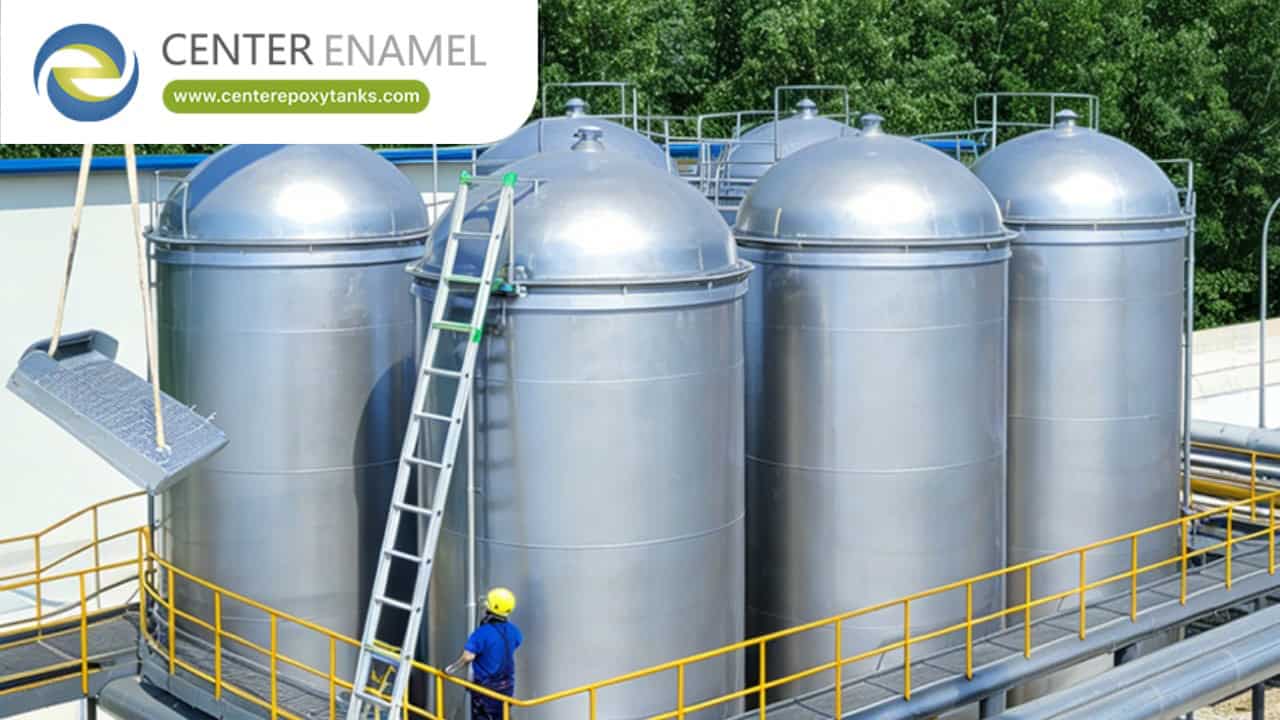
What is a Stainless Steel Fuel Tank? An Engineering Overview
A stainless steel fuel tank is a high-integrity storage vessel fabricated from corrosion-resistant chromium-alloy steel, designed to safely contain combustible and flammable liquids. Unlike carbon steel tanks that rely on external coatings or liners, stainless steel provides inherent, long-term protection against rust, moisture, and chemical degradation.
These tanks are critical in environments where structural reliability, fuel purity, and safety are non-negotiable, ranging from automotive and marine fuel systems to large-scale industrial storage terminals.
The Technical Advantage: Why Stainless Steel?
The superiority of stainless steel for fuel containment is grounded in its metallurgy. The addition of chromium creates a self-healing passive layer of chromium oxide that protects the metal from oxygen and moisture.
Key Benefits
● Inherent Corrosion Resistance: Unlike carbon steel, stainless steel is impervious to the rust that typically compromises fuel storage integrity over time.
● Broad Fuel Compatibility: These tanks safely store a wide spectrum of fuels, including gasoline, diesel, biodiesel, and ethanol blends, without risking contamination or structural failure.
● Temperature Stability: Stainless steel maintains its structural integrity across extreme temperature gradients, making it ideal for both arctic and tropical environments.
● Minimal Maintenance: Because they do not require recurring internal relining or external painting, they offer a significantly lower total cost of ownership (TCO) compared to conventional steel.
Material Grades: Choosing the Right Alloy
Not all stainless steel is identical. The performance of a fuel tank is often dictated by the specific "grade" used during fabrication.
Feature | Grade 304 | Grade 316L |
Composition | 18% Chromium, 8% Nickel | 16% Cr, 10% Ni, 2% Molybdenum |
Corrosion Resistance | Excellent for general storage | Superior (Best for acidic/salt environments) |
Molybdenum Content | None | Yes (Enhances pitting resistance) |
Primary Use Case | Domestic & general industrial fuels | Marine, coastal, and high-chlorine settings |
● Grade 304: The standard, cost-effective choice for many industrial applications.
● Grade 316L: Engineered with molybdenum to provide significantly higher resistance to localized pitting and crevice corrosion, particularly in harsh or marine environments.
Regulatory Standards for Safety
For industrial applications, fuel storage is governed by strict codes to ensure safety and prevent environmental leakage.
● API 650: The global standard for large, welded aboveground storage tanks. It governs the material, design, fabrication, and testing of tanks used in oil, water, and chemical storage.
● UL 142: The definitive standard for steel aboveground tanks used for flammable and combustible liquids. It mandates rigorous leak, buoyancy, and hydrostatic pressure testing to verify structural integrity.
Frequently Asked Questions (FAQ)
Q: Why is a stainless steel fuel tank safer than a plastic or aluminum one?
A: Stainless steel is more durable and fire-resistant than plastic, which can degrade over time. Compared to aluminum, stainless steel offers greater structural rigidity, higher impact resistance, and superior long-term corrosion resistance, especially in harsh or industrial settings.
Q: Does "316L" have any advantage for biodiesel storage?
A: Yes. Biodiesel can be aggressive toward certain metals and elastomers. The 316L grade, thanks to its molybdenum content, provides enhanced resistance to the corrosive nature of specific biofuel additives and blends, ensuring the tank structure remains sound.
Q: Are stainless steel fuel tanks required to be painted?
A: No. One of the primary engineering advantages of these tanks is that they are "all-through" corrosion resistant. Painting is usually unnecessary and can actually be counterproductive, as it may mask corrosion or trap moisture against the steel surface.
Q: How do I know if my tank is compliant with industry standards?
A: Compliant tanks will typically be stamped with industry certifications. For aboveground flammable liquid tanks, look for the UL 142 listing mark. For large storage tanks, documentation should verify that the fabrication followed API 650 requirements, including mill test reports (MTRs) for the steel used.


