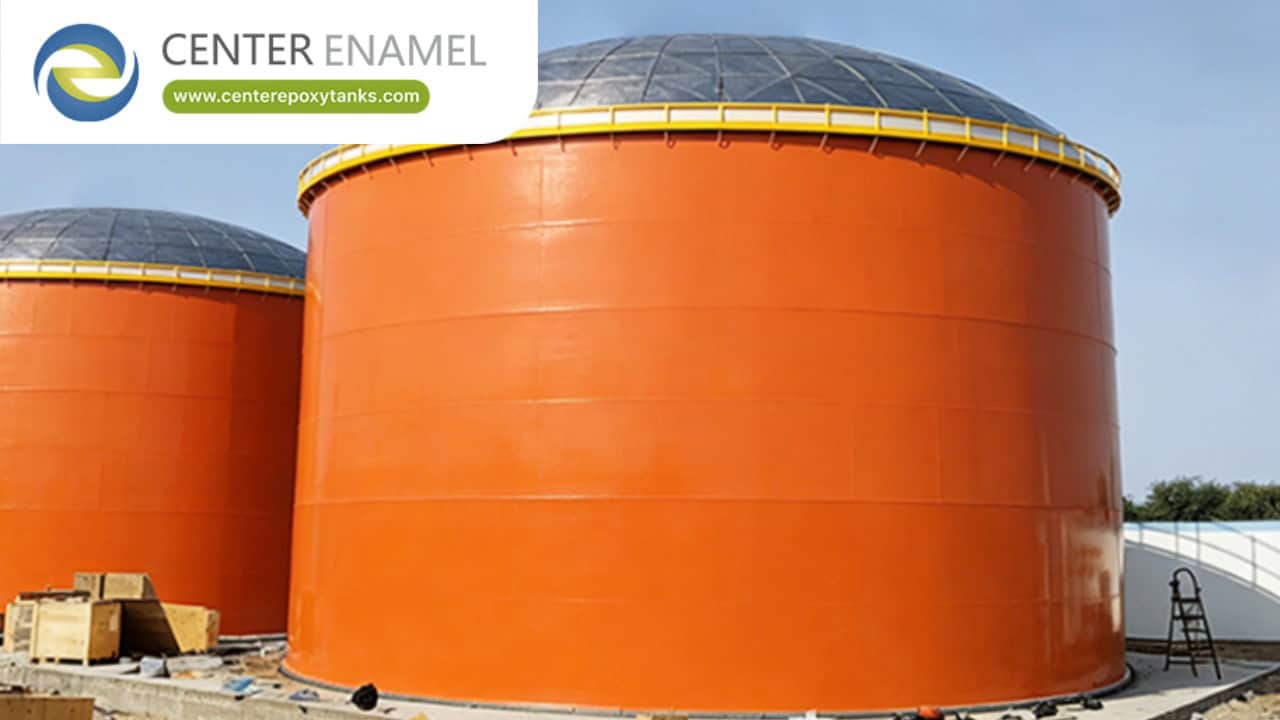
Large-Scale Oil Storage Tanks: The Backbone of Industrial Energy
Large-scale oil storage tanks are the critical nodes in the global energy supply chain. From petroleum refineries and pipeline terminals to power generation facilities, these massive steel vessels serve as vital reservoirs for crude oil, refined fuels, and intermediate petroleum products.
Because they house hazardous and flammable liquids in high volumes, their design, construction, and maintenance are governed by rigorous international engineering standards to prevent leaks, environmental contamination, and structural failure.
Key Tank Configurations
The design of an oil storage tank is primarily dictated by the volatility of the liquid being stored, the local climate, and the required storage volume.
Tank Type | Primary Use Case | Engineering Advantage |
Fixed Roof Tank | Low-volatility products (e.g., diesel, asphalt) | Simple, cost-effective, and low-maintenance. |
Floating Roof Tank | High-volatility products (e.g., crude oil, gasoline) | Minimizes vapor space and VOC emissions via a floating deck. |
Bunded (Double-Walled) Tank | High-risk environments; hazardous chemicals | Provides secondary containment to prevent catastrophic spills. |
Dome-Roof Hybrid | High-capacity, weather-exposed locations | Protects against precipitation while offering structural dome integrity. |
Engineering Standards: The API Framework
In the global oil and gas industry, safety is standardized through the American Petroleum Institute (API). Any large-scale oil storage project must strictly adhere to these benchmarks:
● API Standard 650: This is the "gold standard" for welded steel tanks for oil storage. It covers material selection, design, fabrication, erection, and testing. If a project requires atmospheric pressure storage of petroleum products, API 650 is the governing code.
● API Standard 620: Specifically applies to the design and construction of large, welded, low-pressure storage tanks (those operating at pressures up to 15 psig).
● API Standard 2000: Governs the venting of atmospheric and low-pressure storage tanks, critical for managing thermal expansion and emergency pressure relief.
Safety, Environmental, and Regulatory Oversight
Large-scale oil storage is heavily regulated to protect soil and groundwater. Facilities are generally subject to:
1. Secondary Containment (Bunding): Regulations (such as the EPA’s SPCC rule in the US) mandate that storage areas must be surrounded by a "bund" or dike capable of holding at least 110% of the largest tank’s capacity. This ensures that in the event of a total tank failure, the spill is contained.
2. Leak Detection Systems: Modern tanks utilize continuous monitoring, including automated tank gauging (ATG) and groundwater observation wells, to detect leaks before they reach the environment.
3. Corrosion Protection: Steel tanks require cathodic protection and interior linings to mitigate the corrosive effects of petroleum products and moisture condensation.
4. Overfill Prevention: Automated high-level alarms and shut-off valves are mandatory to prevent human error during transfer operations.
Frequently Asked Questions (FAQ)
Q: What is the main difference between an internal and external floating roof?
A: An external floating roof is open to the atmosphere and rises/falls with the liquid level. An internal floating roof is housed inside a fixed-roof tank (often a geodesic dome). Internal floating roofs offer the vapor-saving benefits of a floating deck while protecting the product from rain, snow, and bird droppings.
Q: Why are large oil tanks built on "concrete islands" or elevated foundations?
A: Elevated foundations facilitate leak detection and inspection of the tank floor. They also prevent moisture from accumulating beneath the base, which can lead to rapid "soil-side" corrosion of the steel floor plates.
Q: How often should large oil tanks be inspected?
A: According to API 653, "out-of-service" inspections are required periodically (often every 10–20 years depending on the tank's condition and the product stored) to verify the integrity of the floor and shell. In-service visual inspections are performed much more frequently, typically on a monthly or annual basis.
Q: What is the "bund" capacity requirement?
A: In most international jurisdictions, a bund must be able to contain 110% of the volume of the largest tank within the contained area. This extra 10% capacity allows for the displacement caused by the tank structure itself and provides a safety margin for heavy rainfall within the containment area.
Do you need help with engineering specifications or a technical feasibility study for a storage tank project? Feel free to reach out for further guidance on API compliance and tank design.


