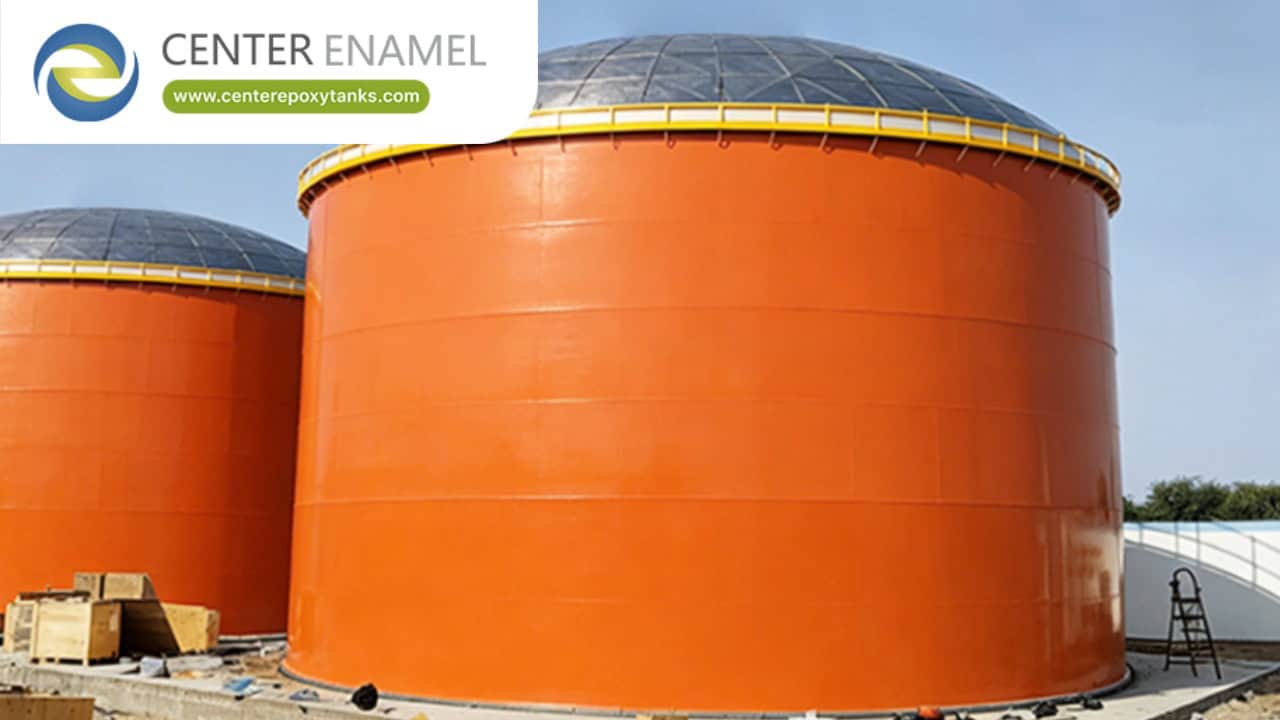
What Is a Solvent Storage Tank? Design, Material Compatibility, and Safety Regulations
In chemical manufacturing, pharmaceutical production, petroleum refining, coatings formulation, and parts cleaning operations, chemical solvents serve as indispensable media for reactions, extractions, and degreasing. However, because commercial solvents—such as acetone, alcohols, toluene, xylene, and various hydrocarbon fractions—are frequently volatile, highly flammable, and capable of generating explosive vapor-air mixtures, storing them safely requires rigorous engineering controls.
A solvent storage tank is a heavily engineered industrial containment vessel constructed from compatible metals or composites designed to safely store volatile organic liquids, prevent fugitive atmospheric emissions, manage internal vapor pressures, and mitigate severe fire and explosion hazards over long operational lifecycles.
1. Core Engineering and Safety Challenges
Designing a reliable solvent storage facility requires navigating three distinct physical and operational hazards:
Flammability and Flash Point Management: Solvents are classified under NFPA 30 based on their flash points and boiling points (ranging from highly volatile Class IA liquids like diethyl ether to Class II and III combustible solvents). Tanks must be engineered to prevent ignition sources and control vapor accumulation in the headspace.
Volatile Organic Compound (VOC) Losses: Breathing and working losses occur as ambient temperatures cycle or as tanks are filled and emptied, forcing vapor out into the atmosphere. Modern solvent storage requires vapor recovery units or internal floating roofs to eliminate these emissions.
Electrostatic Accumulation: Low-conductivity organic solvents moving through piping can build up static electrical charges. Solvent storage tanks require mandatory grounding, bonding, and anti-static dip pipes during loading operations to prevent static spark ignition.
2. Approved Materials and Construction Standards
Selecting the proper structural configuration depends on the chemical reactivity of the solvent and safety codes:
A. Welded Carbon Steel (API 650 / UL 142)
The baseline material for many non-reactive, combustible hydrocarbon solvents. Built to API 650 for bulk storage or UL 142 for shop-fabricated aboveground tanks, carbon steel provides high structural strength and durability.
B. Stainless Steel (Grades 304 / 316L)
Employed when high-purity solvents (such as pharmaceutical-grade alcohols or specialty chemicals) require absolute contamination control, or when storing aggressive oxygenated solvents that might degrade standard protective coatings.
C. Internal Floating Roof (IFR) Tanks
To minimize vapor spaces and reduce explosive risks for high-volatility solvents (like acetone or naphtha), fixed-roof tanks are fitted with internal floating pans that rest directly on the liquid surface, eliminating the vapor pocket.
Data Table: Solvent Storage Tank Configuration Matrix
Tank Configuration | Primary Shell Material | Standard Roof Type | Key Vapor Control Features | Governing Safety Standards |
Aboveground Shop-Fabricated | Carbon Steel / 316L SS | Fixed Cone or Dome Roof | Conservation vent, flame arrester, inert gas blanketing | UL 142 / NFPA 30 |
Field-Erected Bulk Storage | Carbon Steel (API-compliant) | Fixed Cone with Internal Floating Roof | Floating deck with rim seals to eliminate vapor space | API 650 / API 2000 |
Vertical Low-Pressure Vessel | Stainless Steel / Alloy | Dished / Pressure-Rated Roof | Designed for slight internal pressures up to 15 psig | API 620 / ASME Sec. VIII |
3. Mandatory Safety and Environmental Infrastructure
A compliant solvent storage installation integrates several mandatory safety features:
Conservation Vents and Flame Arresters: Pressure/vacuum conservation valves regulate normal breathing while flame arresters prevent external flame propagation into the tank interior during an atmospheric fire event.
Secondary Containment Dikes: In accordance with NFPA 30 and OSHA 1910.106 guidelines, aboveground solvent tanks must be surrounded by secondary containment dikes engineered to hold at least 100% of the volume of the largest single tank plus local rainfall allowances.
Frequently Asked Questions (FAQ)
Q: What is a solvent storage tank?
A: A solvent storage tank is a specialized industrial vessel engineered from compatible metals like carbon or stainless steel to safely contain volatile, flammable organic liquids while controlling vapor emissions and fire hazards.
Q: Which safety codes govern the design of industrial solvent storage tanks?
A: Solvent tanks are primarily governed by NFPA 30 (Flammable and Combustible Liquids Code), OSHA 29 CFR 1910.106, and construction standards such as API 650 or UL 142.
Q: Why are internal floating roofs used in solvent storage?
A: Internal floating roofs rest directly on the liquid solvent surface, drastically reducing the headspace vapor pocket to prevent evaporative losses, VOC emissions, and the formation of explosive vapor mixtures.
Q: What is the purpose of a conservation vent on a solvent tank?
A: Conservation vents open automatically at preset pressure or vacuum thresholds caused by thermal expansion or fluid transfer, protecting the tank structural integrity while minimizing unnecessary vapor release.


