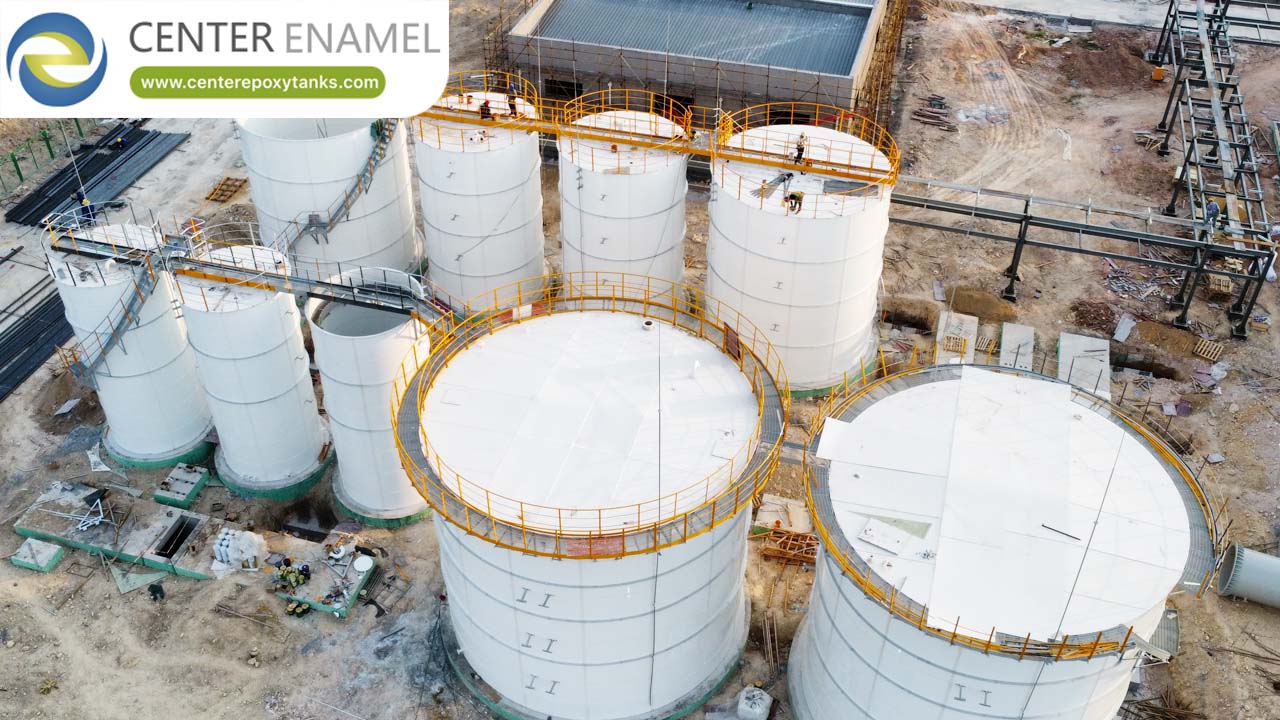
What Is a pH Adjustment Chemical Tank? Design, Material Selection, and Wastewater Neutralization
In municipal water treatment plants, industrial manufacturing facilities, chemical processing complexes, and power generation plants, maintaining the proper balance of water acidity or alkalinity is legally mandated prior to environmental discharge. Because industrial wastewater streams frequently fluctuate between extreme acidic and basic states, facilities utilize dedicated chemical feed systems to bring water within acceptable discharge limits (typically a neutral pH range of 6.0 to 9.0).
A pH adjustment chemical tank is a heavy-duty industrial containment vessel specifically engineered from corrosion-resistant polymers or specialized composites designed to store neutralizing chemicals—such as sulfuric acid, hydrochloric acid, or sodium hydroxide—safely, prevent environmental leaks, and handle aggressive chemical fluid loads.
1. Core Functions of pH Adjustment in Wastewater Treatment
Wastewater treatment trains rely on two distinct categories of pH adjustment chemical storage to neutralize influent streams:
Acidic Dosing Tanks (pH Lowering): When wastewater is too alkaline (high pH), acids such as sulfuric acid (H2SO4) or hydrochloric acid (HCl) are injected into neutralization basins. Storage vessels for these chemicals must withstand severe mineral acid corrosion.
Caustic Dosing Tanks (pH Raising): When industrial effluent is too acidic (low pH), alkaline reagents such as sodium hydroxide (NaOH, caustic soda) are introduced. These tanks must handle dense, reactive, and temperature-sensitive caustic solutions.
2. Critical Engineering Requirements and Materials of Construction
Because pH adjustment chemicals are intensely corrosive and often possess high specific gravities, standard water tanks or unlined metal containers cannot be utilized. Storage systems rely on proven non-metallic materials:
A. Cross-Linked Polyethylene (XLPE)
Widely recognized as the industry standard for chemical neutralization tanks up to medium capacities. Rotationally molded XLPE tanks manufactured to ASTM D1998 standards offer seamless construction and high resistance to chemical stress cracking. Because neutralizing reagents are often denser than water, these tanks must carry a heavy-wall structural rating (typically 1.65 to 1.9 specific gravity).
B. Fiberglass-Reinforced Plastic (FRP)
For large-scale industrial bulk storage exceeding 10,000 gallons, FRP tanks utilizing specialized vinyl ester resins with a resin-rich interior corrosion barrier provide superior structural rigidity and longevity.
Data Table: pH Adjustment Chemical Tank Matrix
Reagent Chemical Type | Neutralization Function | Typical Tank Materials | Specific Gravity (SG) Rating | Governing Standards |
Sulfuric Acid (H2SO4) | Lowers high wastewater pH | Carbon Steel (98%) or XLPE (dilute) | Minimum 1.9 to 2.0 SG | ASTM D1998 / API 650 |
Sodium Hydroxide (NaOH) [50%] | Raises low wastewater pH | XLPE, Carbon Steel, FRP | Minimum 1.9 SG | ASTM D1998 / API 650 |
Hydrochloric Acid (HCl) [37%] | Lowers high wastewater pH | XLPE, FRP, Rubber-lined steel | 1.65 to 1.9 SG | ASTM D1998 / ASME RTP-1 |
3. Mandatory Safety and Separation Architecture
Because pH adjustment systems require storing both strong acids and strong bases (caustics) in close proximity, plant layout must incorporate strict safety protocols:
Physical Incompatibility Separation: Acids and caustics must never be stored adjacent to one another without adequate physical spacing (typically a minimum of 10 feet) or a chemical-resistant partition wall to prevent catastrophic, exothermic reactions in the event of a simultaneous spill.
Secondary Containment Dikes: Concrete bunds coated with epoxy or double-wall tank systems must be engineered to capture at least 110% of the volume of the largest primary tank, preventing acidic or basic spills from breaching the facility floor.
Frequently Asked Questions (FAQ)
Q: What is a pH adjustment chemical tank?
A: A pH adjustment chemical tank is an engineered industrial vessel built from corrosion-resistant polymers or fiberglass to safely store acids or bases used to neutralize wastewater streams.
Q: Why must acid and caustic pH adjustment tanks be stored apart from each other?
A: Storing acids and caustics in close proximity without adequate separation creates severe safety hazards; an accidental co-mingling of these chemicals triggers a violent, exothermic neutralization reaction that can cause tank rupture and toxic fumes.
Q: Why do pH adjustment tanks require high specific gravity ratings?
A: Reagents like 50% caustic soda and concentrated sulfuric acid are significantly denser than water (ranging from 1.4 to 1.84 specific gravity), exerting immense hydrostatic pressure on the lower walls of the tank and requiring heavy-duty structural ratings.
Q: What manufacturing standard governs polyethylene pH adjustment tanks?
A: Rotationally molded polyethylene chemical storage tanks are typically engineered, fabricated, and tested in accordance with ASTM D1998 standards to guarantee proper wall thickness and chemical resin performance.


