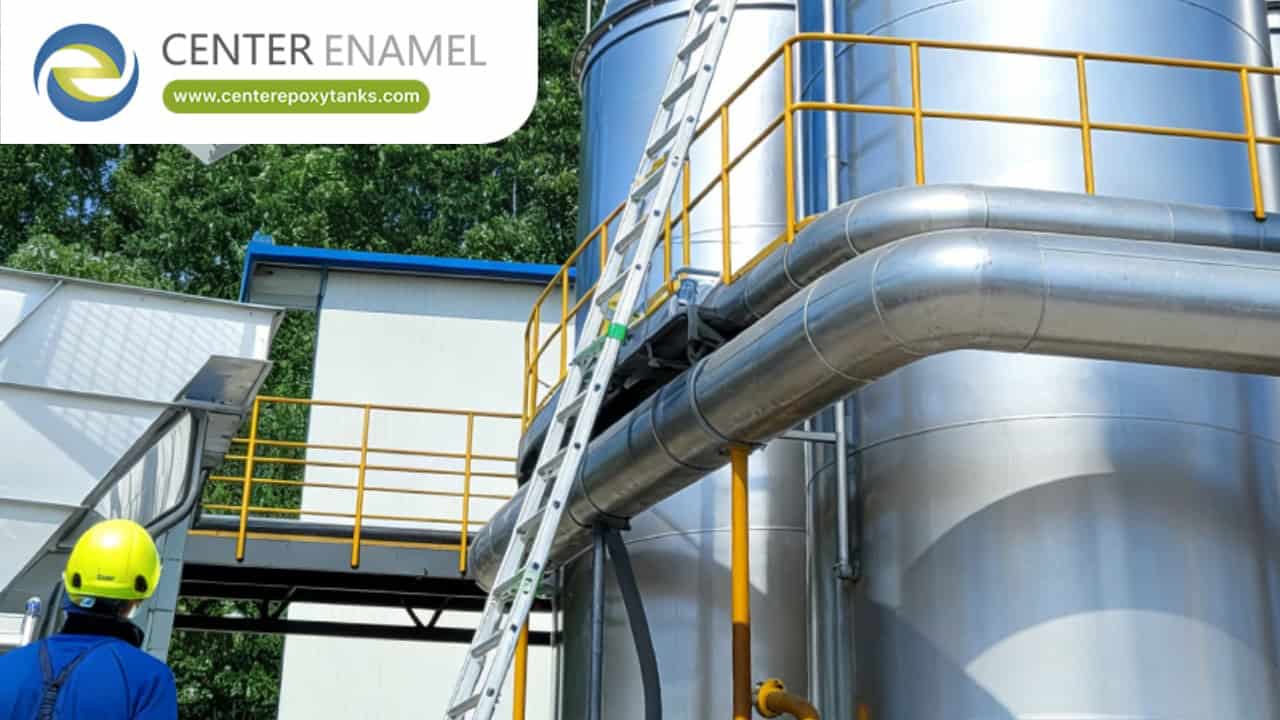
What Is a Peanut Oil (Groundnut Oil) Storage Tank? Industrial Design, Features, and Preservation Standards
A peanut oil storage tank (also widely known as an industrial groundnut oil vessel) is a heavy-duty, food-grade industrial container engineered to securely hold, manage, and preserve bulk quantities of edible peanut oil prior to refining, blending, bottling, or global export.
Because peanut oil is rich in monounsaturated and polyunsaturated fatty acids (such as oleic and linoleic acids) alongside natural vitamin E, it is highly valued for high-temperature commercial frying, cooking, and food manufacturing. However, like other vegetable and nut oils, it is vulnerable to oxidation, color degradation from light exposure, and chemical contamination. An industrial peanut oil storage tank acts as a controlled preservation environment designed to protect product purity and extend commercial shelf life.
Core Functions of an Industrial Peanut Oil Tank
To safeguard bulk peanut and groundnut oil from chemical breakdown, industrial storage tanks must fulfill four critical environmental controls:
Oxidation Prevention: Exposure to ambient oxygen breaks down unsaturated fatty acids, causing rancid odors, off-flavors, and elevated peroxide values. Industrial tanks use hermetic sealing and inert gas systems to completely isolate the oil from air.
UV Light Protection: Direct sunlight accelerates photo-oxidation and color changes in vegetable oils. Solid tank construction—whether mirror-finished stainless steel or coated steel—creates a 100% opaque barrier protecting the oil from damaging ultraviolet rays.
Contamination Defense: Edible oils readily absorb surrounding odors and chemical residues. Dedicated food-grade tanks provide a sterile, non-reactive interior complying with international food safety standards.
Bulk Thermal Stability: Peanut oil must be shielded from extreme temperature swings. Advanced industrial tank farms feature thermal insulation to stabilize internal temperatures during seasonal shifts.
Critical Engineering Features
Commercial-grade facilities processing edible oils require robust engineering features to ensure food safety and long-term structural integrity:
Sanitary Stainless Steel or GFS Construction: Refined peanut oil is stored in AISI 304 or 316L stainless steel tanks with mirror-polished interiors to prevent bacterial growth. Massive bulk terminal farms frequently utilize Glass-Fused-to-Steel (GFS) tanks, which combine high-strength steel with chemical-resistant glass coatings.
Nitrogen Blanketing Systems: Automated pressure-regulating valves inject food-grade nitrogen gas into the tank's headspace as oil is drawn out. This heavy, inert gas displaces ambient oxygen, halting the oxidation process entirely.
Clean-In-Place (CIP) Integration: Tanks feature permanently mounted rotary spray balls in the dome, allowing automated rinsing and sterilization with food-safe sanitizers without requiring manual entry.
Ventilation and Breather Valves: Fitted with high-efficiency particulate air (HEPA) filters and moisture traps to ensure that incoming air during thermal breathing does not introduce contaminants.
Tank Configuration Comparison
Feature | Stainless Steel Tanks | Glass-Fused-to-Steel (GFS) Tanks |
Primary Application | Refined, ready-to-consume peanut oil and daily processing/bottling lines. | Large-scale bulk terminal storage and major distribution reserves. |
Material Benefits | Non-porous, corrosion-resistant, requires no internal coatings. | Exceptional durability; fuses glass to steel at high heat for superior chemical resistance and zero maintenance. |
Capacity Scale | Small to medium-large commercial volumes (up to tens of thousands of liters). | Massive bulk capacity (hundreds of thousands to millions of liters). |
Frequently Asked Questions (FAQ)
Q: Why is nitrogen blanketing critical for peanut oil storage?
A: Peanut oil contains unsaturated fatty acids that react readily with oxygen. This reaction causes rapid oxidation, leading to a rise in free fatty acids and rancidity. Nitrogen blanketing forces oxygen out of the tank's headspace, replacing it with an inert gas layer that preserves freshness and extends shelf life.
Q: Can carbon steel tanks be used for groundnut oil?
A: Raw carbon steel cannot be used directly because it will rust and react with the oil. However, carbon steel tanks can be utilized if they are treated with a specialized, certified food-grade epoxy lining, though stainless steel and GFS are the preferred industry standards.
Q: Do peanut oil storage tanks require active heating systems?
A: Peanut oil remains liquid at ambient room temperatures and does not require active heating coils for normal storage (unlike palm or coconut oil). However, heavy exterior insulation is frequently applied to protect large outdoor tanks from freezing winter extremes or intense summer heatwaves.
Q: How are large commercial peanut oil tanks cleaned?
A: Large tanks utilize automated Clean-In-Place (CIP) systems. Rotary spray balls mounted at the top of the tank spray water, food-safe caustic cleaning agents, and sanitizers across interior surfaces, thoroughly washing away residues without requiring workers to enter the confined space.


