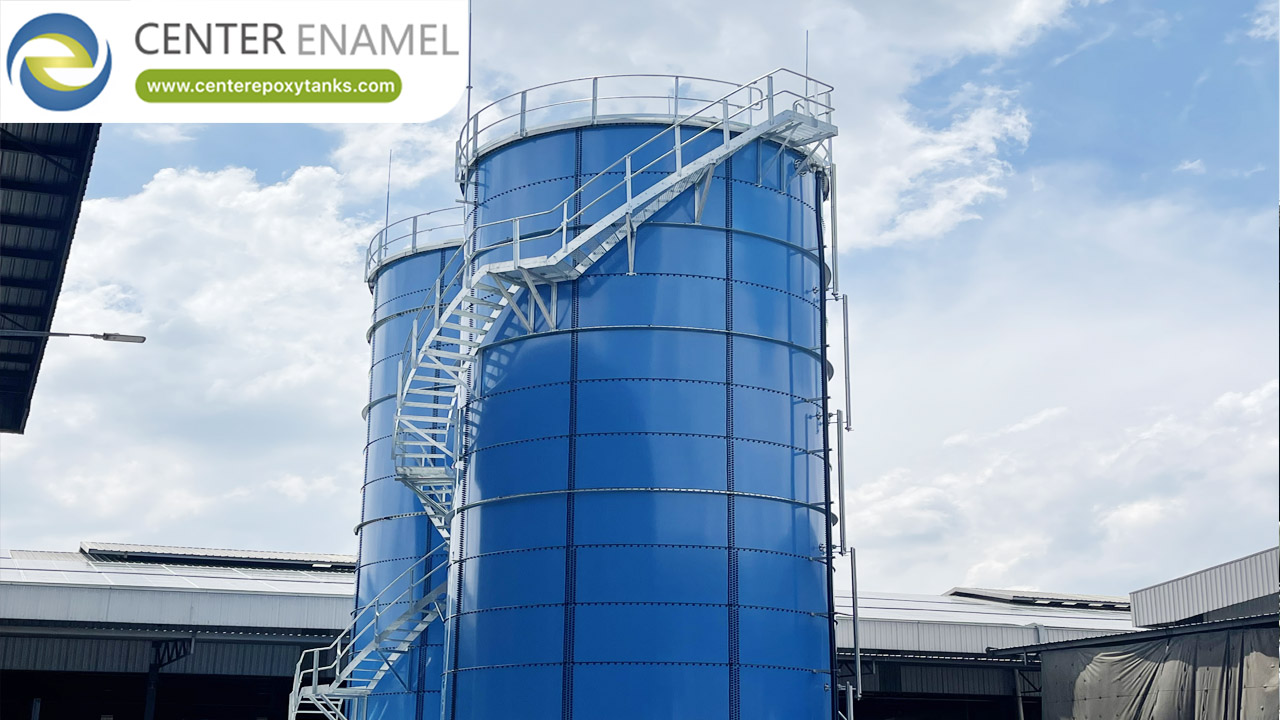
What Are Water Tank and Tower Services?
A water tank is a public-health asset. Every service performed on it — from the AWWA M42 and D100-informed inspection that opens the program to the final disinfection and bacteria testing that closes a coating project — exists to guarantee two things: structural integrity and water quality. Tower services add the vertical dimension: rigging, high-access safety, aviation lighting, and coating work a hundred feet above grade.
The service lifecycle is cyclical by design: inspect on a five-year rhythm (or risk-based intervals), address findings with cleaning, repair, or recoating while they are small, and document everything against the tank's historical file. Managed this way, steel water tanks and towers routinely deliver 50 to 100 years of service — most of the century-old towers still standing are testimony to disciplined maintenance, not luck.
Why Neglected Water Tanks Fail Quietly
Water tanks degrade from the inside — coating failure, rust banding at the water line, sediment buildup — invisible until sampling results or a state inspection surface the problem.
l Failed interior coatings leach corrosion products into potable water.
l Unchecked sediment harbors bacteria and defeats disinfectant residuals.
l Deferred exterior maintenance converts cosmetic rust into structural section loss.
The Water Tank Service Cycle
A complete service program runs on a repeating loop:
1. Comprehensive Inspection: AWWA-style inspection covers interior and exterior condition, coating integrity, structural elements, appurtenances, security, and sanitary code compliance.
2. Cleaning and Disinfection: Sediment removal, high-pressure washing, and AWWA C652 disinfection with bacteriological testing restore water quality.
3. Repair and Recoating: Weld repairs, steel replacement, blast-and-recoat interior linings certified for potable contact, and exterior finish systems restore integrity.
4. Documentation and Scheduling: A condition report, photographic record, and re-inspection plan update the tank's permanent history file.
Proactive Service Program vs Breakdown Response
Service Approach | Proactive AWWA-Aligned Program | Breakdown Response |
Water Quality Risk | Coatings and disinfection kept verified | Contamination events trigger boil notices |
Structural Outcome | Minor repairs at minor cost | Section loss and emergency shutoffs |
Compliance Standing | Inspection records ready for state review | Violations and mandated corrective schedules |
Lifetime Cost | Lowest — intervention at the paint stage | Highest — intervention at the steel stage |
Water Tank and Tower Service Scope
l Standpipe, reservoir, and elevated tower inspection
l Interior cleaning, disinfection, and water quality restoration
l Interior epoxy and exterior coating renewal with NSF/ANSI 61 systems
l Overflow, vent, hatch, and security upgrades for sanitary compliance
l Mixing systems, level instrumentation, and telemetry retrofits
l Cathodic protection installation and monitoring
Key Advantages of Professional Water Tank Services
1. Public Health Protection as the Deliverable
Certified potable-contact coatings, controlled disinfection, and bacteriological clearance testing make every service cycle a verifiable health safeguard.
2. Fifty-Year Asset Economics
Recoating steel on a planned cycle costs a fraction of replacement; the towers that reach a century of service are simply the ones that were painted on schedule.
3. Regulatory Readiness on Demand
Current inspection records, sanitary survey responses, and documentation files turn state audits from emergencies into file retrievals.
Quality Standards and Proven References
Center Enamel designs water storage tanks to AWWA D100 (welded) and AWWA D103 (bolted) with NSF/ANSI 61 certified coating systems, manufactured under ISO 9001 and ISO 45001 certified quality systems. Water storage projects delivered to more than 100 countries include references for global companies such as Coca-Cola, Heineken, AB InBev, and the Brazilian water utility Sabesp.
Frequently Asked Questions (FAQ)
Q: How often should water tanks be inspected?
A: AWWA-recommended practice is a comprehensive inspection about every 5 years — 3 for interiors in aggressive service — with annual operational and security checks in between.
Q: What coatings are used inside potable tanks?
A: Interior linings are NSF/ANSI 61 certified epoxy systems applied after abrasive blasting, with holiday testing and disinfection per AWWA C652 before return to service.
Q: Can tower work be done with the tank in service?
A: Exterior and some interior work proceeds with careful controls, but coating and most interior work require taking the tank out of service with temporary supply planning.
Q: What is the expected lifespan of a professionally engineered steel tank?
A: Steel tanks designed and built to recognized codes (API 650, API 620, AWWA D100, or ASME Section VIII) and maintained under scheduled inspection, coating, and repair programs routinely deliver service lives exceeding 30 years — and tanks managed under API 653-class integrity programs commonly remain in safe service for 50 years or more.


