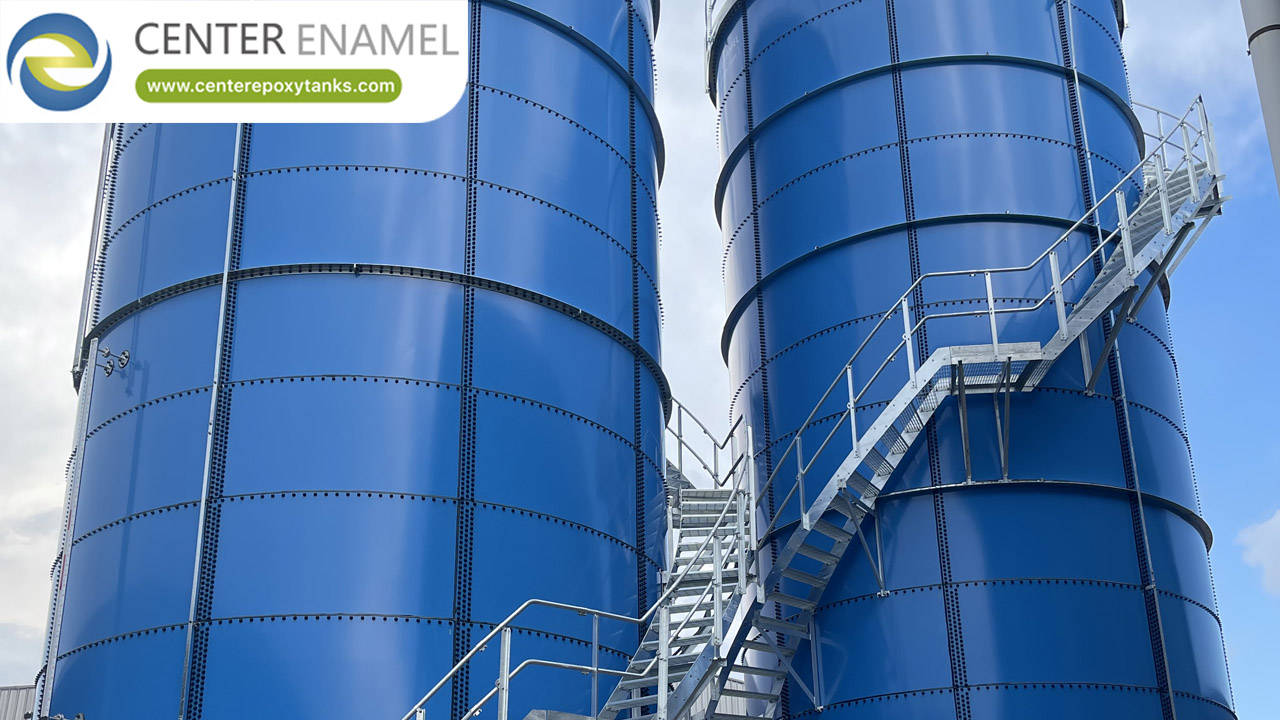
What Are Steel Bins, Storage Silos & Hoppers?
Steel bins, storage silos, and hoppers are vertical vessels that store and discharge dry bulk materials — grain, aggregates, cement, plastics, powders. Cylindrical silos hold the volume, converging hoppers at the base control gravity discharge, and engineering centers on material flow behavior and structural loads.
What Are Steel Bins, Silos, and Hoppers?
Bulk storage is a materials-science problem wearing a steel shell. Every stored solid — from free-flowing plastic pellets to cohesive fly ash — exerts wall pressures and discharge dynamics that silo design must calculate, per standards that treat eccentric discharge, funnel flow, and mass flow as structural load cases, not afterthoughts.
Steel dominates the segment for speed and economics: shop-fabricated panels or field-erected shells by diameter class, with hoppers engineered to the material's flow properties (mass flow versus funnel flow), aeration or vibration discharge aids where needed, and topsides featuring dust collection, level instrumentation, and safety venting. From 50-tonne day bins to 50,000-tonne farm and port silos, the engineering skeleton is the same — calculate the material, then build the steel around it.
Why Silo Design Is Material-Driven
A silo is designed around its contents' physics. Ignore flow properties and the result is ratholing, arching, and eccentric discharge — the classic trio that collapses silos and stalls plants.
l Cohesive powders arch over outlets and rathole without engineered hopper geometry.
l Eccentric discharge imposes bending loads silo shells are not designed to carry.
l Dust explosion venting is a code requirement for organic and fine materials.
The Silo Engineering Sequence
A properly engineered silo follows this path:
1. Material Characterization: Flow properties — wall friction, cohesion, compressibility — are measured or referenced to establish flow pattern and hopper angles.
2. Structural Design: Wall pressures, discharge loads, and temperature effects are computed to the silo design standard, with buckling checks on the cylindrical shell.
3. Discharge and Handling Engineering: Outlet sizing, feeder selection, aeration, and dust collection are integrated into the hopper and topsides design.
4. Fabrication and Erection: Panels are fabricated to tolerance, erected with stiffeners and reinforcement at engineered locations, and commissioned with test fills.
Steel Silos vs Concrete Silos vs Flat Storage
Storage Approach | Steel Silo | Concrete Silo | Flat/Building Storage |
Speed of Construction | Fast shop and field fabrication | Slow slip-form or jump-form programs | Fast civil building work |
Cost per Stored Tonne | Economical across most sizes | Competitive only at very large scale | Lowest capital but low density |
Material Handling | Engineered gravity discharge and reclaim | Gravity discharge, heavier structure | Loader and conveyor reclaim required |
Relocation/Expansion | Demountable and expandable designs exist | Permanent structures | Flexible within the building |
Silo and Bin Applications
l Grain, feed, and agricultural commodity storage
l Cement, fly ash, and mineral powder silos
l Plastics pellet storage for processing plants
l Aggregate and asphalt plant cold feed bins
l Wood pellet and biomass fuel storage
l Food-grade ingredient silos with hygienic finishes
Key Advantages of Steel Silos and Bins
1. Engineering Fit to the Actual Material
Flow-based hopper design turns ratholing and arching from operating crises into solved equations — steel fabrication simply executes the geometry.
2. Fast Deployment, Expandable Later
Shop-fabricated silo sections erect in days and many designs accept added capacity or relocation as plant needs evolve.
3. Integrated Discharge and Safety Systems
Aeration, dust collection, level instrumentation, and explosion venting are designed into the steel — not retrofitted around it.
Quality Standards and Proven References
Center Enamel provides design, fabrication, construction, and aftermarket services for storage tanks and silos under ISO 9001 and ISO 45001 certified quality systems, with EN 1090 structural steel certification. With three decades of experience and projects delivered to more than 100 countries — including biogas and wastewater references for Paques and Veolia and industrial references for PetroChina and Sinopec — the company supports tank assets from commissioning through decades of inspection-driven service.
Frequently Asked Questions (FAQ)
Q: How is silo size determined?
A: By storage tonnage, material bulk density, and plot limits: geometry follows from volume, with height-diameter ratios optimized for structural economy and the site's wind exposure.
Q: What causes silo failures?
A: The dominant causes are flow problems — arching collapse, eccentric discharge, and quakes during discharge — plus corrosion and structural under-design; all are preventable with proper engineering.
Q: Can steel silos store food products?
A: Yes, with food-safe interior finishes, sealed design, and aeration control — steel grain and ingredient silos are standard across food processing.
Q: What is the expected lifespan of a professionally engineered steel tank?
A: Steel tanks designed and built to recognized codes (API 650, API 620, AWWA D100, or ASME Section VIII) and maintained under scheduled inspection, coating, and repair programs routinely deliver service lives exceeding 30 years — and tanks managed under API 653-class integrity programs commonly remain in safe service for 50 years or more.


