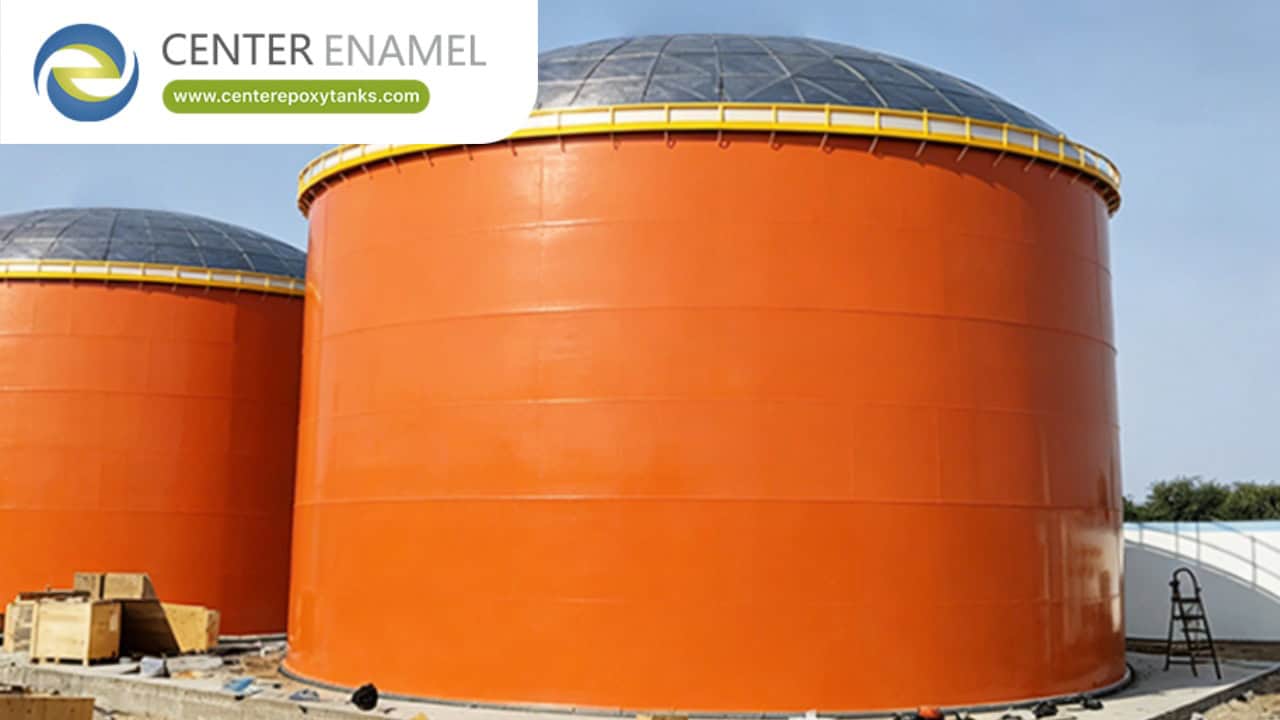
What Are Potable, Process & Fire-Fighting Water Tanks?
Potable, process, and fire-fighting water tanks are dedicated storage vessels for the three water duties every facility and municipality manages: drinking water to NSF/ANSI 61 and AWWA standards, process water sized to production demand, and fire-fighting reserves to NFPA 22. Each duty brings distinct standards, coatings, and sizing logic — sometimes in one multi-compartment tank.
What Are the Three Water Duties?
Potable storage is regulated as a public-health system: coatings certified for drinking-water contact, disinfection procedures, vent and overflow security, and AWWA D100/D103 construction. The water must be protected from everything — including the tank itself.
Process water storage is an industrial buffer: boiler feed, cooling make-up, wash water, and CIP systems sized to production surge demand, where the specification is capacity and chemistry control rather than drinking standards. Fire-fighting reserves are pure insurance — NFPA 22 volumes dedicated to sprinkler and hose demand, kept ready and never borrowed, with freeze protection and fire-pump compatibility engineered in. Facilities frequently combine duties in compartmented tanks that share a footprint while keeping the fire reserve legally untouchable.
Why Water Duties Must Not Share Casually
The classic failure is the shared tank with no compartmentation: process draws the fire reserve down in August, and the fire marshal discovers an empty reserve during the annual inspection — or worse, during the fire.
l Fire reserves must be protected against all non-emergency drawdown.
l Potable systems require certified materials and disinfection incompatible with casual shared storage.
l Process water chemistry (treatment chemicals, temperature) can attack potable-grade coatings.
Multi-Duty Water Storage Engineering
A properly engineered water storage program proceeds by duty:
1. Demand Characterization: Potable peak-day demand, process surge requirements, and fire protection design volume are calculated to their respective standards.
2. Tank Configuration Design: Dedicated or compartmented configurations are engineered so fire reserves remain inviolable while sharing site and construction economics.
3. Materials and Coating Selection: NSF/ANSI 61 certified linings for potable compartments; chemistry-matched systems for process duty; corrosion protection throughout.
4. Compliance and Commissioning: Disinfection for potable cells, acceptance testing for fire reserves, and instrumentation (levels, alarms) integrated with facility controls.
The Three Water Duties Compared
Duty | Potable Water Tank | Process Water Tank | Fire-Fighting Tank |
Governing Standards | AWWA D100/D103, NSF/ANSI 61 | Process and plant specifications | NFPA 22 and fire codes |
Sizing Basis | Peak day and equalization demand | Production surge and buffer analysis | Sprinkler demand x duration plus hose allowance |
Coating Requirements | Certified potable-contact linings | Chemistry-matched systems | Standard protection with freeze provisions |
Special Features | Security, disinfection, sampling | Temperature and treatment compatibility | Heating, dedicated connections, telemetry |
Water Tank Duty Applications
l Municipal potable reservoirs and standpipes
l Industrial process and boiler feed storage
l Plant firewater and sprinkler reserves
l Combined compartmented facility storage
l Mine and remote camp water systems
l Irrigation and agricultural reserves
Key Advantages of Engineered Multi-Duty Water Storage
1. One Footprint, Three Guarantees
Compartmented engineering shares civil and construction economics while preserving each duty's code independence — especially the inviolable fire reserve.
2. Certified Compliance per Compartment
Every cell built and documented to its own standard — NSF-lined potable, chemistry-matched process, NFPA-tested fire — eliminates cross-duty compromise.
3. Sized to Calculations, Not Habits
Storage engineered from demand analysis right-sizes capital: enough fire reserve, enough process buffer, no paying for idle water.
Quality Standards and Proven References
Center Enamel designs water storage tanks to AWWA D100 (welded) and AWWA D103 (bolted) with NSF/ANSI 61 certified coating systems, manufactured under ISO 9001 and ISO 45001 certified quality systems. Water storage projects delivered to more than 100 countries include references for global companies such as Coca-Cola, Heineken, AB InBev, and the Brazilian water utility Sabesp.
Frequently Asked Questions (FAQ)
Q: Can one tank store potable and fire water together?
A: Yes, with compartmentation and protected fire connections ensuring the fire reserve is never drawn by domestic use — a common and code-recognized configuration.
Q: What makes a tank suitable for potable water?
A: Certified construction (AWWA D100 or D103), NSF/ANSI 61 certified interior linings, proper venting and security, and disinfection procedures before service.
Q: How is fire reserve volume protected from other uses?
A: By physical compartment walls, dedicated piping with supervised valves, and level monitoring that alarms before reserve encroachment — engineered, not procedural, protection.
Q: What is the expected lifespan of a professionally engineered steel tank?
A: Steel tanks designed and built to recognized codes (API 650, API 620, AWWA D100, or ASME Section VIII) and maintained under scheduled inspection, coating, and repair programs routinely deliver service lives exceeding 30 years — and tanks managed under API 653-class integrity programs commonly remain in safe service for 50 years or more.


