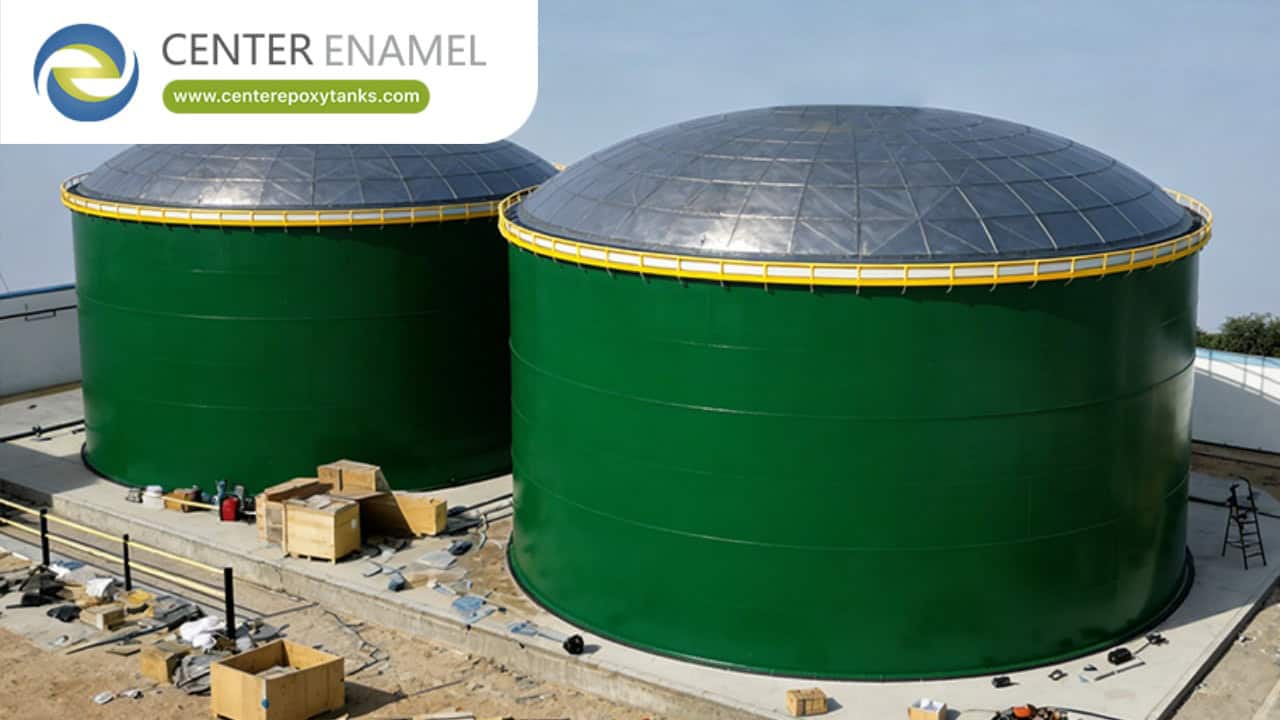
Welded Steel Tanks for Refined Oil Storage: Engineering Excellence and Safety Standards
In the downstream and midstream petroleum sectors, the safe, reliable, and efficient containment of refined products—such as gasoline, diesel, jet fuel, kerosene, and naphtha—is critical to national energy distribution and commercial operations. Unlike crude oil, refined products are highly volatile, chemically treated, and strictly regulated for vapor emissions and environmental safety. Consequently, storage infrastructure must combine immense structural integrity with advanced vapor suppression mechanisms.
For large-scale terminal operations, aboveground welded steel tanks engineered in strict accordance with international standards represent the definitive global benchmark. These robust vertical cylindrical structures deliver exceptional resistance to hydrostatic loads, environmental weathering, and seismic forces while ensuring zero product leakage over decades of continuous service.
Core Engineering Principles and Design Compliance
Designing welded steel storage tanks for refined petroleum products requires precise adherence to recognized engineering codes that govern material selection, mechanical calculation, and safety features:
API 650 Standard Compliance: The American Petroleum Institute (API) Standard 650 provides the foundational guidelines for the design, fabrication, erection, and testing of vertical, cylindrical, aboveground welded tanks operating at atmospheric or near-atmospheric pressures (up to 2.5 psig).
Hydrostatic Shell Tapering: Because liquid pressure increases with depth, the cylindrical tank shell is constructed from stacked horizontal steel plates (courses). Lower courses feature maximum thickness to withstand peak circumferential stress, tapering progressively to thinner sheets at the top.
Advanced Roof Configurations for Volatile Products: To mitigate evaporation and control Volatile Organic Compound (VOC) emissions, refined fuel tanks frequently integrate Internal Floating Roofs (IFRs) or External Floating Roofs (EFRs). An internal floating roof floats directly on the liquid surface inside a fixed cone or dome roof, eliminating vapor headspace and cutting evaporation losses by up to 99%.
Strict Welding and Quality Assurance: All shell, bottom, and roof joints are constructed using pre-qualified welding procedures (such as ASME Section IX) and verified through comprehensive Non-Destructive Examination (NDE)—including radiographic testing (RT) of butt welds and vacuum box testing of floor plates.
Data Table: Refined Oil Storage Tank Technology Matrix
Technical Parameter | API 650 Welded Steel Tank (Internal Floating Roof) | API 650 Welded Steel Tank (Fixed Cone Roof) | Poured-in-Place Concrete Petroleum Basin |
Stored Product Suitability | High-volatility refined products (gasoline, jet fuel, naphtha) | Low-volatility products (diesel, kerosene, heavy fuel oil) | Bulk stable fuel reserves (requires specialized internal linings) |
Vapor & VOC Control | Exceptional; internal floating cover eliminates headspace vapours | Low to moderate; requires dedicated venting and vapor recovery units | Moderate; dependent on continuous internal chemical barrier maintenance |
Operating Pressure | Atmospheric up to 2.5 psig | Atmospheric or near-atmospheric service | Atmospheric containment only |
Corrosion Protection | Sacrificial corrosion allowances, epoxy linings, and cathodic protection | Heavy exterior coatings and corrosion-resistant steel plates | Vulnerable to sulfate attack, carbonation, and rebar corrosion |
Governing Standards | API 650 (Appendix H for IFR), ASME, NFPA 30 | API 650, ASME Section IX, NFPA 30 | ACI Structural Concrete Standards |
Environmental Protection and Fire Safety Protocols
Refined fuel storage facilities operate under intense regulatory scrutiny regarding environmental protection and plant safety (such as NFPA 30 and EPA emission rules). Modern welded steel tank installations incorporate multiple redundancy safeguards:
Secondary Containment Systems: Engineered geomembrane liners, double-walled shell designs, or concrete secondary dikes ensure total capture of any accidental release.
Overfill Prevention Systems: Integrated level sensors, automatic high-level shutoff valves, and independent alarm systems prevent catastrophic overfilling during fuel transfer operations.
Lightning Protection and Grounding: Comprehensive static grounding networks safeguard volatile fuel inventories against atmospheric lightning strikes and electrostatic discharge.
Frequently Asked Questions (FAQ)
Q: Why are welded steel tanks preferred for storing refined petroleum products?
A: Welded steel tanks offer high tensile strength, structural rigidity, and compliance with international standards like API 650. Their continuous welded construction eliminates mechanical failure points, ensuring safe containment of flammable liquids under heavy operational and environmental loads.
Q: How do internal floating roofs reduce vapor loss in gasoline and jet fuel tanks?
A: Internal floating roofs float directly on top of the liquid fuel, removing the vapor space where volatile organic compounds (VOCs) accumulate and expand during diurnal temperature changes. This prevents evaporation and drastically lowers emissions.
Q: What materials are used to fabricate API 650 refined oil storage tanks?
A: Tanks are typically constructed from high-quality carbon steel plates—such as ASTM A36, ASTM A283 Grade C, and high-toughness grades like ASTM A516 Grade 70—selected based on design metal temperatures and structural stress calculations.
Q: What mandatory inspections are required during the construction of a welded refined oil tank?
A: Construction requires strict NDE protocols, including radiographic or ultrasonic testing of vertical and horizontal shell welds, vacuum box testing of floor plate seams, and a comprehensive hydrostatic water fill test to verify overall structural stability.


