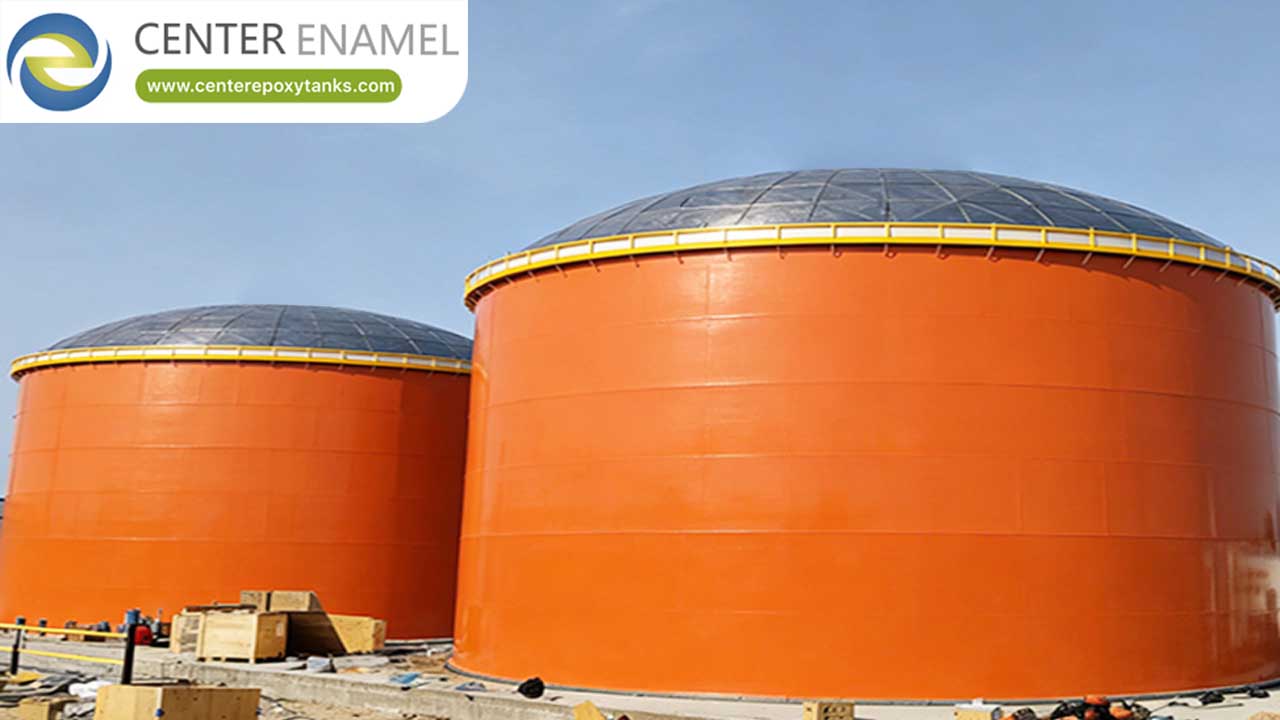
Welded Steel Tanks for Fuel Oil Storage: Engineering Integrity, Design Standards, and Safe Containment
In modern power generation, industrial manufacturing, marine bunkering, and commercial backup energy systems, reliable and secure storage of fuel oil is vital to operational continuity. Whether containing diesel, heavy fuel oil (HFO), or kerosene, fuel reserves must be housed in robust containment infrastructure capable of resisting hydrostatic pressures, preventing environmental leakage, and withstanding severe external weathering.
For large-scale industrial requirements, Welded Steel Tanks for Fuel Oil Storage represent the definitive global engineering standard. Built to strict atmospheric design codes, these vertical cylindrical structures provide unmatched structural stability, long-term durability, and seamless integration with modern fuel management and fire protection systems.
Core Engineering Principles and Design Compliance
Designing welded steel storage tanks for fuel oil requires careful balancing of mechanical loads, material selection, and safety regulations. Compliance with international standards ensures that each tank performs reliably under demanding field conditions:
API 650 Standard Compliance: The American Petroleum Institute (API) Standard 650 serves as the governing benchmark for welded steel tanks operating at atmospheric or near-atmospheric pressures (up to 2.5 psig). It dictates precise formulas for shell thickness tapering, roof design, and foundation interface.
Hydrostatic Wall Tapering: Because liquid pressure increases proportionally with depth, the cylindrical shell is constructed from stacked horizontal steel plates (courses). Bottom courses utilize thicker steel plates to withstand maximum hydrostatic loads, tapering to thinner plates toward the top.
Roof Configuration Selection: Depending on fuel volatility and environmental needs, fuel storage tanks commonly utilize self-supporting fixed cone roofs or dome roofs equipped with proper emergency and normal venting devices to manage vapor accumulation safely.
Rigorous Welding and Quality Control: Shell and bottom joints are fabricated using qualified welding procedures (such as ASME Section IX) and verified through comprehensive Non-Destructive Examination (NDE)—including radiographic testing (RT) for shell butts and vacuum box testing for floor plates.
Data Table: Fuel Oil Storage Tank Technology Comparison Matrix
Technical Parameter | API 650 Welded Steel Tanks | Concrete Fuel Storage Structures | Factory-Built Bolted Steel Tanks |
Structural Integrity | Exceptional; continuous full-pen welds provide absolute rigidity | High initial strength, but prone to micro-cracking over time | Modular bolted panels sealed with specialized gaskets |
Operating Pressure | Atmospheric up to 2.5 psig | Atmospheric containment only | Atmospheric low-pressure service |
Fuel Compatibility | Excellent for diesel, HFO, kerosene, and biodiesel blends | Requires specialized interior chemical linings to prevent oil seepage | Suitable for refined fuels with proper gasket selection |
Corrosion Defense | Sacrificial corrosion allowances, internal linings, and cathodic protection | Vulnerable to sulfate attack and reinforcement rebar corrosion | Factory-applied powder coatings or specialized liquid coatings |
Governing Standards | API 650, ASME Section IX, NFPA 30 | ACI Structural Concrete Codes | AWWA D103 / ISO industrial standards |
Environmental Safety and Containment Protocols
Storing petroleum products demands stringent adherence to environmental protection and fire safety codes (such as NFPA 30). Modern fuel oil tank installations incorporate multiple safeguards:
Secondary Containment Systems: Engineered dikes, geomembrane liners, or double-wall designs ensure that any accidental release is completely captured on-site.
Internal Heating Coils: For heavy fuel oils (HFO) that require elevated temperatures to maintain pumpable viscosity, internal steam or electric heating bundles are seamlessly integrated into the tank floor design.
Leak Detection and Monitoring: Advanced under-floor monitoring ports and interstitial leak detection sensors provide early warning of any compromise in the primary bottom plates.
Frequently Asked Questions (FAQ)
Q: Why are welded steel tanks preferred over other systems for fuel oil storage?
A: Welded steel tanks offer superior structural strength, long service lifespans, and compliance with rigorous international standards like API 650. Their continuous welded construction eliminates mechanical joint failure points, ensuring safe containment of massive fuel volumes.
Q: What materials are commonly used to fabricate API 650 fuel oil tanks?
A: High-quality carbon steel plates—such as ASTM A36, A283 Grade C, and A516 Grade 70—are standard. For specialized corrosive or high-purity fuel applications, stainless steel alloys may also be specified.
Q: How do fuel oil tanks manage temperature variations and heavy fuel viscosity?
A: Heavy fuel oils often require heating to maintain flowability. Storage tanks can be outfitted with internal heating coils or external insulation jackets paired with temperature sensors to keep the fuel at optimal operational temperatures.
Q: What quality inspections are mandatory during the construction of a welded fuel oil tank?
A: Construction requires rigorous NDE protocols, including radiographic or ultrasonic testing of vertical and horizontal shell welds, vacuum box testing of floor plate seams, and a final hydrostatic water fill test to verify structural and leak-tight integrity.


