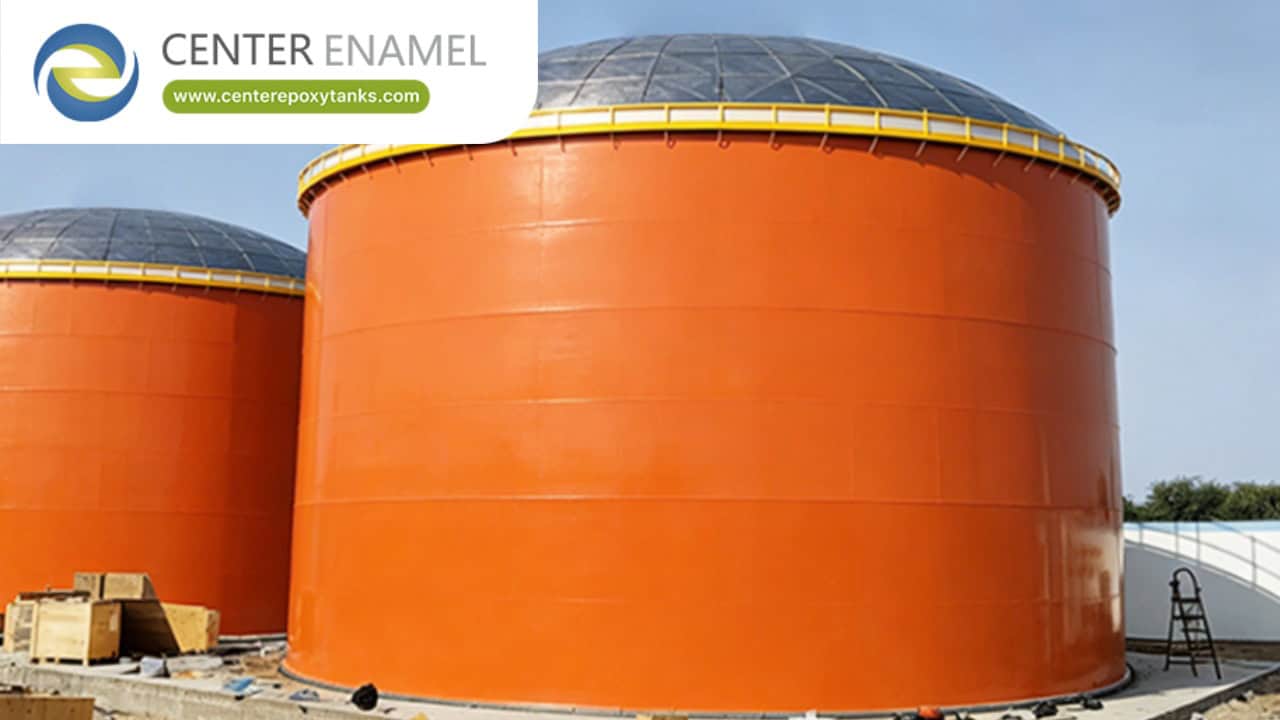
Welded Steel Lubricant Oil Tanks: Heavy-Duty Engineering for Secure Industrial Lubrication Management
In modern manufacturing plants, power generation stations, mining facilities, and heavy industrial complexes, uninterrupted machinery performance relies heavily on proper lubrication. Hydraulic systems, turbines, gearboxes, and compressors demand large volumes of clean, high-grade lubricant oils to minimize friction and prevent premature mechanical wear. Protecting these valuable fluid assets from contamination, degradation, and accidental spillage requires robust containment infrastructure. For bulk storage and high-reliability industrial applications, welded steel lubricant oil tanks represent the absolute standard of engineering excellence.
Constructed from heavy-gauge carbon or stainless steel plates joined through continuous, full-penetration welding, these tanks provide a monolithic, hermetically sealed enclosure engineered to handle dense oils safely. As a globally trusted leader in advanced liquid storage and containment manufacturing, Shijiazhuang Zhengzhong Technology Co., Ltd. (Center Enamel) delivers precision-engineered welded steel oil storage solutions built in strict accordance with international petroleum and safety standards.
Engineering Superiority: Governing Standards and Fluid Integrity
Lubricant oils present unique storage challenges, including high specific gravities, sensitivity to moisture, and strict cleanliness requirements. Welded steel design addresses these parameters directly:
·
API 650 and UL 142 Compliance: Large-scale vertical bulk lubricant reserves are designed in accordance with API 650 standards for welded tanks for oil storage, while shop-fabricated horizontal or vertical day tanks conform strictly to UL 142 specifications for aboveground combustible liquid storage.
·
·
Monolithic Leak-Free Construction: Unlike bolted panels that utilize elastomeric gaskets vulnerable to oil seepage over extended lifecycles, continuous welding fuses steel plates into a unified, impermeable barrier that completely eliminates joint leaks.
·
·
Handling High Viscosity and Specific Gravity: Lubricating oils are significantly denser than water or standard light fuels. Welded steel tanks are engineered with proper plate thickness sizing, structural reinforcement, and calculation models (such as the 1-foot method or variable design point analysis) to withstand high hydrostatic pressures.
·
·
Contamination and Moisture Defense: Internal surfaces are finished with specialized oil-compatible primers and sealers that prevent flaking or rust, while exterior coatings protect against industrial weathering and chemical exposure.
·
Data Table: Comprehensive Comparison of Lubricant Oil Storage Technologies
Technical Parameter | Welded Steel Lubricant Tanks (API 650 / UL 142) | Bolted Steel Storage Tanks | Fiberglass Reinforced Plastic (FRP) Tanks |
Structural Integrity | Monolithic welded steel shell; absolute zero-leak performance for heavy oils | Bolted panels utilizing perimeter elastomeric gaskets | Molded polymer composite shell; vulnerable to point impacts |
Viscosity & Density Handling | Engineered for high specific gravity oils and heavy petroleum products | Suitable for moderate loads; requires strict gasket chemical compatibility | Susceptible to structural softening under high-temperature oil storage |
Fire Safety & Heat Resistance | Exceptional; non-combustible steel withstands external thermal exposure | High-strength steel panels with standard industrial fire ratings | Low; vulnerable to structural compromise under intense external fire |
Installation Profile | Precision field-erection (API 650) or shop-fabricated units (UL 142) | Rapid modular panel assembly using high-tensile hardware | Single-piece factory molding requiring careful structural bedding |
Primary Industrial Application | Bulk turbine oil reserves, hydraulic fluid farms, and heavy machinery lubrication | Secondary lube oil storage and indoor plant utility rooms | Specialized chemical or moderate-oil service applications |
Key Industrial and Commercial Applications
Welded steel lubricant oil tanks serve as critical infrastructure components across multiple industrial sectors:
1.
Power Generation Plants: Storing vast reserves of turbine lubrication and control fluid oils to support continuous steam and gas turbine operations.
2.
3.
Heavy Manufacturing and Steel Mills: Supplying centralized hydraulic and gear oil lubrication systems for massive rolling mills, presses, and automated assembly lines.
4.
5.
Mining and Heavy Equipment Depots: Managing bulk motor oils, hydraulic fluids, and transmission lubricants for fleet and off-highway machinery maintenance.
6.
Frequently Asked Questions (FAQ)
Q: Why choose a welded steel tank for industrial lubricant oil storage?
A: Welded steel tanks offer a seamless, monolithic structure that completely eliminates oil leakage risks, handles high fluid specific gravity safely, and complies with rigorous codes like API 650 and UL 142.
Q: Do welded lubricant oil tanks require special interior coatings?
A: Yes. Interior surfaces are typically coated with specialized, oil-resistant sealers or primers that prevent direct contact between the steel and the lubricant, ensuring the oil remains free of rust particles and particulate contamination.
Q: How are structural welds inspected on a bulk oil storage tank?
A: All field and shop welds undergo stringent Non-Destructive Examination (NDE)—including ultrasonic testing (UT), radiographic testing (RT), and vacuum box testing—performed by certified technicians to verify structural integrity.
Q: Can welded steel lubricant tanks be built as double-wall systems?
A: Absolutely. To meet stringent environmental regulations and prevent accidental environmental releases, welded steel tanks can be configured with double-wall construction and interstitial leak monitoring systems.


