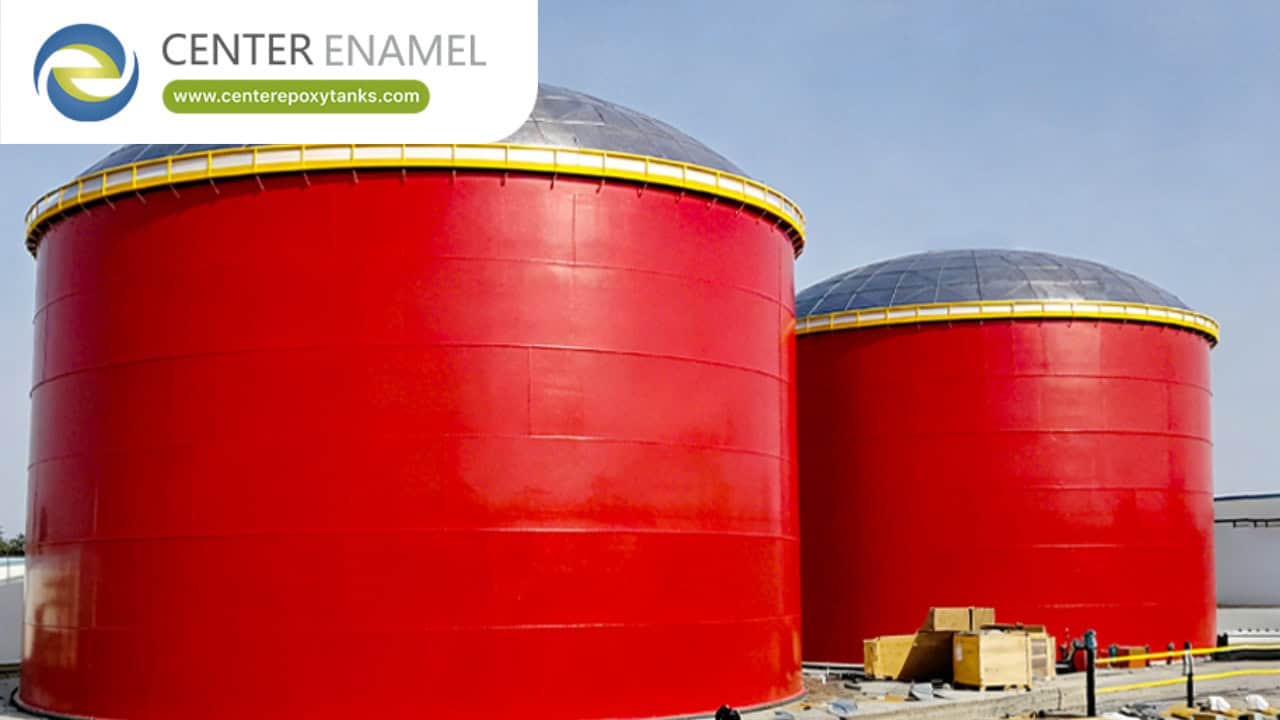
Welded Carbon Steel Tanks for Water Storage: Design, Standards, and Engineering Applications
In municipal infrastructure, fire protection systems, and heavy industrial water supply, reliable bulk liquid containment is vital for public safety and operational continuity. Welded carbon steel tanks for water storage represent the global gold standard for large-scale, ground-supported reservoirs, standpipes, and elevated water towers.
Engineered primarily in strict accordance with ANSI/AWWA D100 standards established by the American Water Works Association, these heavy-duty vessels offer unmatched structural integrity, superior seismic resilience, and decades of reliable service life for municipal drinking water, raw water processing, and industrial reserves.
1. Governing Engineering Standards: AWWA D100 and NFPA 22
Unlike petroleum or chemical vessels governed by API standards, water storage tanks demand specialized design criteria focused on structural safety, hydraulic pressure distribution, and water purity.
AWWA D100 Compliance: This standard governs the minimum requirements for the design, fabrication, erection, and testing of welded carbon steel tanks used in water supply systems. It dictates steel plate thicknesses, weld quality control, roof configurations, and wind/seismic load calculations.
NSF/ANSI 61 Certification: Because these tanks frequently contain potable drinking water, all internal linings, coatings, and structural components that come into contact with stored water must be certified to meet NSF/ANSI 61 health effects standards.
NFPA 22 Integration: When specified for private or municipal fire suppression, welded carbon steel tanks must comply with NFPA 22 standards, incorporating specialized accessories such as 360-degree guardrails, internal ladders with fall-arrest systems, and dedicated heating or mixing apparatuses.
2. Structural Design and Field Erection Mechanics
Welded carbon steel water tanks are custom-engineered for field-erected permanence, ensuring a completely liquid-tight envelope capable of withstanding extreme environmental loads.
Plate-by-Plate Construction: High-tensile carbon steel plates are rolled and welded sequentially in horizontal rings (courses) and vertical seams, forming a seamless structural shell anchored to reinforced concrete ringwall or slab foundations.
Roof Architecture: Depending on geographic location and operational requirements, water storage tanks feature self-supporting cone roofs, umbrella roofs, knuckle roofs, or clear-span aluminum geodesic domes.
Rigorous Non-Destructive Examination (NDE): Weld integrity is verified through vacuum box testing on tank floor plates, magnetic particle inspection, and radiographic testing of vertical and horizontal shell joints to guarantee zero defect tolerances.
Data Table: Welded Carbon Steel Water Storage Tank Specifications
Engineering Parameter | AWWA D100 Water Storage Tank Specification |
Governing Standard | ANSI/AWWA D100 (and NFPA 22 for fire protection systems) |
Material Construction | High-tensile carbon steel plates (ASTM structural grades) |
Potability Compliance | NSF/ANSI 61 certified internal lining and coating systems |
Foundation Types | Reinforced concrete ringwall with oiled sand base, or concrete slab |
Typical Capacity Range | Scalable from 100,000 gallons to multi-million gallon municipal reserves |
Corrosion Protection | High-performance epoxy interior linings and cathodic protection systems |
3. Corrosion Control and Long-Term Maintenance
Because carbon steel is vulnerable to oxidation when exposed to moisture, protecting water storage tanks requires a multi-layered defense strategy:
High-Performance Internal Linings: Specialized food-grade epoxy or polyurethane lining systems isolate the carbon steel from direct contact with water, preventing rust while maintaining strict potability standards.
Cathodic Protection: Sacrificial anode systems or impressed current cathodic protection setups are integrated inside the tank to halt electrochemical corrosion on submerged steel surfaces.
Exterior Coatings: UV-resistant exterior paint systems protect the steel shell from atmospheric weathering, rain, and solar degradation, extending the maintenance repainting cycle.
Frequently Asked Questions (FAQ)
Q: What standard governs welded carbon steel tanks for water storage?
A: Welded carbon steel water storage tanks are designed, fabricated, and erected in accordance with ANSI/AWWA D100 standards, ensuring structural safety and reliability for municipal water systems.
Q: Are welded carbon steel tanks safe for storing drinking water?
A: Yes. When paired with internal coatings and lining materials certified under NSF/ANSI 61, welded carbon steel tanks safely store potable drinking water without introducing harmful contaminants.
Q: What is the difference between an AWWA D100 tank and an NFPA 22 tank?
A: An AWWA D100 tank is designed for general municipal or industrial water storage. An NFPA 22 tank is an AWWA-compliant vessel specifically configured for fire protection service, featuring mandatory safety accessories like fall-arrest systems, specialized vents, and corrosion barriers.
Q: How long does a welded carbon steel water tank last?
A: With routine inspections, proper maintenance of exterior coatings, and scheduled interior lining refurbishments, a welded carbon steel water tank can easily deliver a service life exceeding 40 to 50 years.


