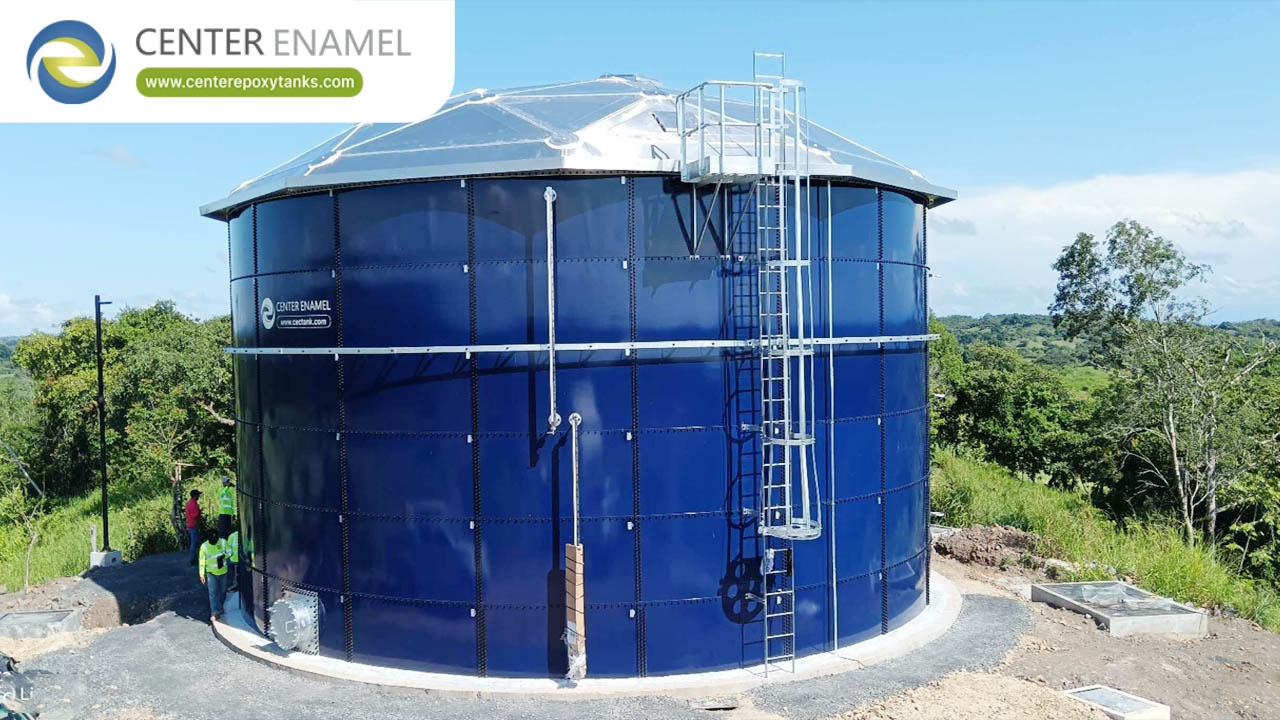
Livestock Water Tanks: Essential Engineering, Materials, and Management for Modern Farms
In modern livestock farming and commercial ranching, clean and reliable hydration is directly tied to animal health, daily weight gain, and milk production. Because livestock such as cattle, horses, and sheep consume substantial quantities of water daily (with mature cattle requiring up to 10 to 12 gallons per head daily under normal conditions), maintaining a steady, clean supply is a core operational priority.
Selecting the right livestock water tanks involves evaluating regional climate conditions, herd size, mobility needs, and material durability. Poorly chosen or unmaintained troughs can lead to contamination, algal blooms, and restricted water access, which directly impacts farm productivity.
Core Material Options in Agricultural Water Storage
Choosing the correct material ensures longevity and protects against environmental degradation, animal wear-and-tear, and harsh chemical cleaning agents:
Polyethylene (Plastic) Tanks: Highly favored for their lightweight structure, corrosion resistance, and affordability. Modern polyethylene tanks are UV-stabilized to withstand prolonged solar exposure and are manufactured using FDA-compliant resins safe for potable water.
Galvanized Steel Stock Tanks: Representing the traditional gold standard in rugged durability, galvanized steel tanks offer unmatched resilience against livestock impacts, fire, and extreme weather. Their zinc coating provides essential rust protection, making them ideal for permanent pasture installations.
Concrete Troughs: Built for maximum permanence and heavy-duty wear, concrete units withstand aggressive use by large livestock. However, their immense weight makes them difficult to relocate, and they require proper seasonal draining to prevent winter cracking.
Smart Automation and Water Management Trends
As agricultural operations scale up efficiency, traditional manual refilling is rapidly being replaced by advanced automation:
Float Valves and Automatic Refills: Maintain constant water levels without manual intervention, ensuring animals always have access to fresh water.
Frost-Free and Heated Solutions: In freezing climates, electric-heated or solar-assisted thermal waterers prevent ice formation, eliminating the labor-intensive task of breaking ice during winter months.
IoT Sensors: Emerging smart farm infrastructure utilizes remote water level sensors and ultrasonic detection modules connected to mobile apps to monitor daily consumption and alert managers to leaks or blockages.
Data Table: Comprehensive Comparison of Livestock Water Tank Materials
Technical Parameter | Polyethylene (Plastic) Tanks | Galvanized Steel Tanks | Concrete Troughs |
Average Lifespan | 8 to 12 years | 15 to 20+ years | 25+ years |
Corrosion & Rust Resistance | Excellent; non-corrosive polymer | Good; protected by zinc galvanization, susceptible if scratched | Moderate; vulnerable to freeze-thaw cracking and chemical erosion |
Impact & Animal Resistance | Moderate; can crack under extreme cold or heavy abuse | High; resists animal dents and environmental pressures | Maximum; virtually indestructible under normal livestock wear |
Portability & Installation | Lightweight; easily relocated across pastures | Moderately heavy; manageable with basic farm equipment | Extremely heavy; requires fixed placement and machinery |
Frequently Asked Questions (FAQ)
Q: How much water does an adult beef cow consume daily?
A: An adult beef cow typically consumes between 10 to 15 gallons of water per day, with consumption doubling during hot summer months or during lactation.
Q: How can I prevent algae growth in my livestock water tanks?
A: Regular weekly scrubbing, placing tanks in shaded areas, using non-toxic livestock-safe water clarifiers, or introducing approved aquatic snails/fish (in large non-medicated tanks) can effectively control algae.
Q: Are polyethylene plastic tanks safe for drinking water?
A: Yes. High-quality agricultural water tanks are molded from food-grade, FDA-compliant polyethylene resins that are UV-stabilized and safe for human and animal consumption.
Q: What is the advantage of using automatic float valves on stock tanks?
A: Automatic float valves regulate water flow to ensure a constant, fresh supply while preventing overflow, saving labor, and ensuring animals are never left without hydration.


