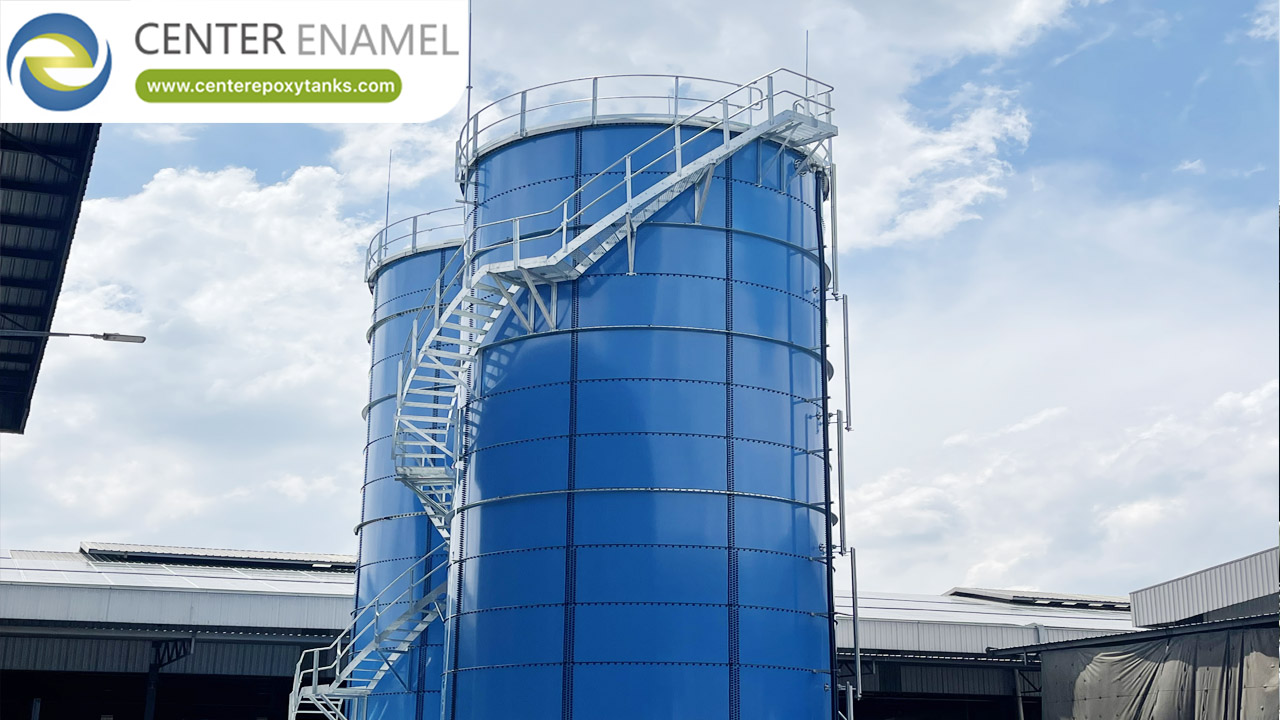
Raw Water Storage Tanks: Engineering Durable Solutions for Municipal and Industrial Water Treatment
In municipal water supply systems and industrial processing facilities, the water treatment cycle begins well before filtration and disinfection. Raw water storage tanks serve as the initial primary containment infrastructure, holding untreated water drawn directly from natural sources such as rivers, lakes, reservoirs, or deep groundwater wells before it enters the water treatment plant.
Because raw water frequently contains suspended sediments, organic matter, variable pH levels, and microbial contaminants, selecting the correct storage tank engineering and material is vital to ensuring long-term structural reliability and operational efficiency.
Core Engineering Requirements for Raw Water Containment
Designing efficient raw water storage reservoirs requires addressing distinct hydraulic and environmental challenges:
Hydraulic Buffering and Flow Stabilization: Raw water intake rates from rivers or wells often fluctuate based on seasonal availability and pumping schedules. Storage tanks act as essential hydraulic buffers, ensuring a steady, continuous supply of water to downstream clarification, filtration, and disinfection units.
Sediment and Silt Management: Untreated raw water carries suspended mineral particles and silt that naturally settle at the bottom of the tank over time. Modern raw water tanks incorporate sloped floors, internal sumps, or specialized washout ports to facilitate safe, efficient sediment removal and routine maintenance.
Biological Growth and Sunlight Control: Exposure to sunlight combined with organic nutrients in raw water can trigger rapid algal blooms and biological fouling. Tanks must be engineered with light-tight covers—such as aluminum geodesic domes or sealed steel roofs—to prevent biological contamination and protect water quality.
Data Table: Comprehensive Comparison of Raw Water Storage Tank Options
Technical Parameter | Glass-Fused-to-Steel (GFS) Bolted Tanks | Cast-in-Place Concrete Basins | Traditional Field-Welded Steel Tanks |
Corrosion Resistance | Superior; inert glass-steel bond prevents rust and mineral scaling | Moderate; vulnerable to carbonation, cracking, and water infiltration | High susceptibility to pitting and weld corrosion without intensive coatings |
Construction & Installation Speed | Rapid modular bolting completed in weeks without weather delays | Slow civil construction requiring complex framing and multi-week curing | Complex field welding, crane staging, and on-site coating work |
Modularity & Capacity Expansion | High; bolted panel design allows straightforward future volume expansion | Permanent monolithic structure; impossible to expand without rebuilding | Rigid welded structure; difficult to alter or modify safely |
Maintenance Profile | Near-zero maintenance; smooth glass surface inhibits biofilm and sediment adhesion | Moderate; requires joint sealant replacement and crack patching | High; demands regular sandblasting, inspection, and recoating cycles |
Frequently Asked Questions (FAQ)
Q: What is a raw water storage tank?
A: It is an industrial containment reservoir used to store untreated water sourced from natural bodies like rivers, lakes, or wells before it undergoes processing in a municipal or industrial water treatment plant.
Q: Why do raw water storage tanks require covered roofs?
A: Covered roofs—such as aluminum geodesic domes or sealed steel panels—block sunlight to prevent algal blooms, keep out wind-blown debris, and protect the raw water supply from external biological contamination.
Q: What are the best tank materials for raw water storage?
A: Glass-Fused-to-Steel (GFS) bolted tanks and high-performance coated steel tanks are widely preferred because they combine the structural strength of steel with corrosion-resistant interior barriers, offering fast installation and long service lives.
Q: How is sediment managed in large raw water reservoirs?
A: Raw water tanks are often designed with sloped hopper bottoms, internal sumps, or dedicated cleanout hatches that allow facility operators to easily flush and remove accumulated silt and sand during scheduled maintenance.


