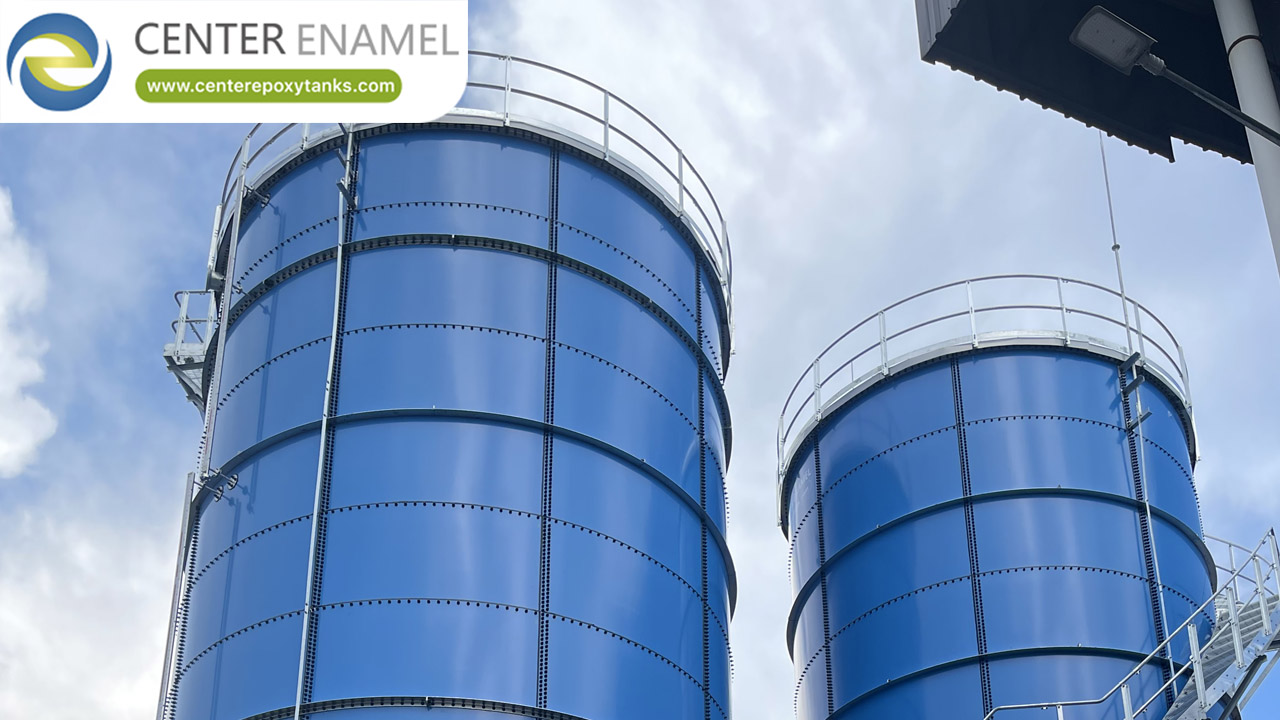
Water Tanks for Landfill Leachate Tanks: Engineering Hazardous Effluent Containment
In modern municipal and industrial waste management, managing landfill leachate is one of the most critical environmental challenges. Landfill leachate is a complex, highly toxic "chemical cocktail" generated when rainwater percolates through decomposing solid waste, extracting heavy metals, ammonia-nitrogen, dissolved organic matter, and volatile acids. Storing and treating this aggressive effluent requires specialized storage tanks that can withstand extreme chemical exposure, severe temperature shifts, and rigorous regulatory standards.
Standard water tanks or generic municipal wastewater vessels are fundamentally unequipped to handle the harsh, corrosive nature of raw leachate. Selecting the right tank technology is essential to prevent catastrophic environmental leaks, avoid heavy regulatory penalties, and ensure long-term plant safety.
The Engineering Challenge of Leachate Containment
Unlike standard potable water or municipal sewage, landfill leachate varies wildly in composition depending on local climate, waste age, and industrial inputs. Key engineering hurdles include:
Extreme Chemical Aggressiveness: Leachate often exhibits fluctuating pH levels (ranging from highly acidic to strongly alkaline) alongside high concentrations of chlorides and sulfides that rapidly corrode unprotected carbon steel and degrade concrete walls.
Volumetric Surge Management: Heavy seasonal rainfall causes massive spikes in leachate volume, demanding high-capacity storage buffers and precise integration into the facility's wastewater treatment train.
Strict Environmental Liability: A single structural breach can result in severe groundwater contamination and permanent ecological damage, making fail-safe containment and secondary bunding mandatory.
Technical Performance Matrix: Leachate Storage Tank Technologies
Technical Parameter | Glass-Fused-to-Steel (GFS) Tanks | Cast-in-Place Concrete Basins | Field-Welded Carbon Steel Tanks | Bolted Epoxy-Coated Steel Tanks |
Chemical & Acid Resistance | Superior; inert silicate glass surface resists aggressive pH extremes (1.0 - 14.0) | Low to Moderate; vulnerable to concrete carbonation, acid attack, and seepage | Moderate to Low; prone to rapid internal pitting without continuous lining protection | High initial resistance, but vulnerable to coating degradation and edge wear over time |
Installation Velocity & Complexity | Rapid modular erection; pre-engineered panels bolted on-site with minimal heavy machinery | Extremely slow; demands intensive civil formwork, rebar tying, and multi-week curing | Slow; requires extensive field plate rolling, welding, and non-destructive testing | Rapid bolted installation, but requires meticulous field sealing around joints |
Lifecycle Durability & Maintenance | Exceptional 30+ year service life with near-zero maintenance and no repainting | Moderate; prone to micro-cracking, joint leakage, and structural spalling over decades | Requires regular interior inspection, sandblasting, and periodic recoating | Requires scheduled maintenance and coating touch-ups at bolted seams |
Global Standards Compliance | Manufactured strictly to AWWA D103-09, ISO 28765, ISO 9001, and NSF/ANSI 61 | Dependent on local civil engineering batch pours and site curing inspections | Dependent on field welding quality and local structural code reviews | Standard bolted tank specifications with variable joint longevity |
Why Glass-Fused-to-Steel (GFS) is the Industry Standard
Glass-Fused-to-Steel technology involves fusing inorganic silicate glass onto high-strength structural steel plates at extreme temperatures ranging from 820°C to 930°C. This high-temperature thermal fusion creates a permanent molecular bond that marries the structural tensile strength of steel with the absolute chemical inertness of glass.
Zero Under-Film Corrosion: Even if a panel sustains mechanical impact, the chemical inertness of the glass prevents rust or corrosion from migrating beneath the surrounding coating.
Surface Smoothness and Sludge Management: The non-porous, smooth glass surface prevents biological fouling, scaling, and solid accumulation, simplifying tank cleaning and maintenance cycles.
Critical Safety & Design Considerations for Leachate Facilities
Secondary Containment (Bunding): Primary leachate storage tanks must always be installed within a secondary containment berm or outer barrier capable of holding at least 110% of the primary tank’s maximum volumetric capacity.
Gas Venting Systems: Because decomposing leachate can release methane and hydrogen sulfide, specialized gas venting and odor-control scrubbers must be integrated into the tank roof architecture.
Sloped Floor Integration: Leachate frequently carries heavy suspended sediments. Tanks should feature engineered hopper bottoms or sloped floors with internal drain sumps to facilitate periodic sludge extraction.
Frequently Asked Questions (FAQ)
Q: Can standard municipal wastewater tanks be used to store landfill leachate?
A: Generally no. Standard municipal wastewater tanks are designed for domestic sewage, which is far less chemically aggressive than landfill leachate. Leachate requires specialized corrosion-resistant linings, such as Glass-Fused-to-Steel (GFS), to prevent rapid structural degradation.
Q: What is the expected service life of a GFS leachate tank?
A: When manufactured and installed according to international standards like AWWA D103-09 and ISO 28765, Glass-Fused-to-Steel tanks offer a verified service life exceeding 30 years with minimal ongoing maintenance.
Q: How do GFS leachate tanks handle fluctuating pH levels and chemical spikes?
A: The fused silicate glass coating is chemically inert across a broad pH range (typically 1.0 to 14.0), making it completely resistant to the organic acids, heavy metals, and variable pH swings characteristic of landfill leachate.
Q: Are secondary containment systems required for landfill leachate tanks?
A: Yes. Due to the high environmental risk of hazardous liquid spills, regulatory frameworks mandate that primary leachate storage tanks be paired with a certified secondary containment bund capable of retaining 110% of the tank's total volume.


