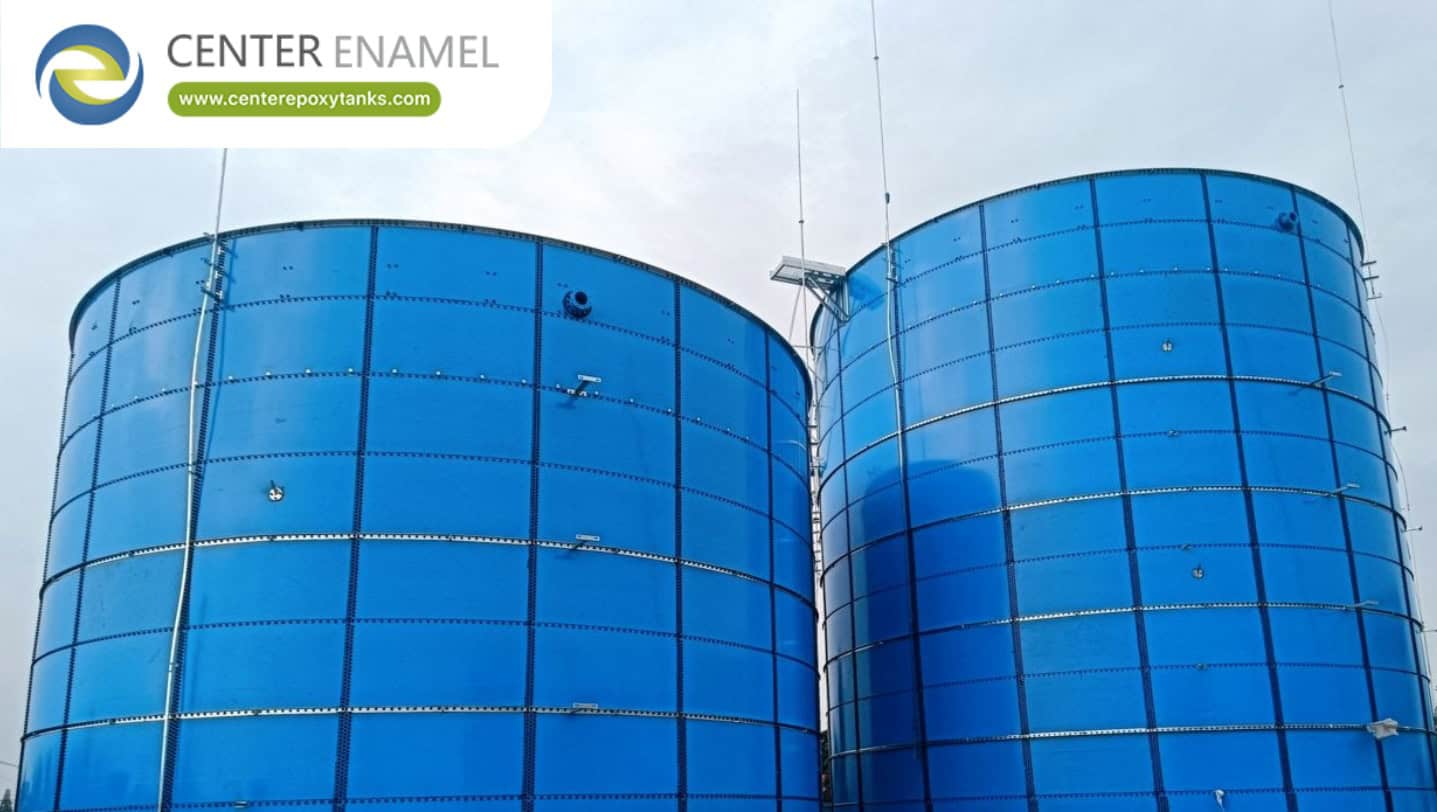
Fire-Fighting Water Storage Tanks: A Guide for Industrial Compliance
Fire-fighting water storage tanks are critical infrastructure components designed to provide an independent, reliable water supply for sprinkler and hydrant systems. To be compliant with NFPA 22 (Standard for Water Tanks for Private Fire Protection), tanks must be engineered based on specific hydraulic demands, including fire flow rate ($GPM$) multiplied by the required suppression duration. Leading industrial solutions, such as Glass-Fused-to-Steel (GFS) or bolted steel tanks, are preferred for their structural integrity, modular installation speed, and long-term resistance to corrosion.
Key Regulatory & Design Standards
Reliable fire suppression relies on the tank’s ability to function regardless of municipal water fluctuations. Procurement managers must prioritize tanks that meet the following international benchmarks:
NFPA 22 Compliance: Governs the design, construction, and maintenance of private fire water tanks. Critical elements include suction connection sizing, anti-vortex fitting requirements, and freeze protection in cold climates.
NFPA 25: Defines the ongoing inspection, testing, and maintenance (ITM) protocols necessary to ensure the tank remains operational for its entire service life.
Structural Loads: Tanks must be engineered to withstand dead loads (tank weight), live loads (full water capacity), high-speed wind loads, and region-specific seismic requirements per ASCE 7.
Material Selection: Balancing Durability & Value
Choosing the right material is essential for minimizing Total Cost of Ownership (TCO) and ensuring regulatory longevity.
Tank Material | Corrosion Resistance | Lifespan | Installation Speed | Best Application |
Glass-Fused-to-Steel (GFS) | Excellent | 30+ Years | Fast (Bolted) | Large-scale Industrial/Refineries |
Epoxy-Coated Steel | Moderate | 20–25 Years | Moderate | General Commercial Use |
Fiberglass (FRP/GRP) | High | 20–25 Years | Fast | Saline/Aggressive Environments |
Concrete (RCC) | Very High | 50+ Years | Very Slow | Fixed Underground/Secure Sites |
Critical Technical Features for Fire Safety
Beyond the shell itself, a compliant fire-fighting tank must integrate specific accessories to function in an emergency:
Anti-Vortex Fittings: Essential for preventing air from entering the pump suction line. They must be sized correctly per NFPA 22 to ensure stable, cavitation-free water delivery.
Freeze Protection: In regions where temperatures drop below 40°F (4.4°C), heating systems—such as circulation pumps or immersion heaters—are mandatory to keep water temperatures within the safe range.
Water Level Monitoring: Real-time gauges and low-level alarms ensure that facility managers are alerted immediately if water volume falls below the required safety threshold.
Access & Safety: Roof hatches and OSHA-compliant ladders with fall-arrest systems are required to allow for the mandatory annual exterior and 5-year interior inspections.
Frequently Asked Questions (FAQ)
Q: How do I calculate the required capacity for my facility?
A: Tank capacity is calculated as: $Total Capacity = Fire Flow Rate (GPM) times Duration (Minutes)$. The specific requirements are determined by your fire protection engineer based on your facility's hazard classification (e.g., Light, Ordinary, or Extra Hazard).
Q: What is the primary advantage of GFS tanks for fire protection?
A: GFS (Glass-Fused-to-Steel) tanks offer a superior combination of high structural strength and chemical resistance. The glass coating is permanently bonded to the steel, effectively eliminating the need for periodic interior repainting, which significantly reduces long-term maintenance costs.
Q: Can you install these tanks on existing sites?
A: Yes. Because bolted steel and GFS tanks are modular, they are highly efficient for retrofitting. They can be erected in confined spaces or existing industrial footprints where traditional concrete or welded steel tanks would be impractical.
Are you currently preparing for an insurance audit or facility expansion that requires NFPA 22 compliance?
Understanding your specific site's seismic zone and hazard classification is the first step in our engineering process. [Contact our technical team] to discuss your project’s hydraulic requirements today.


