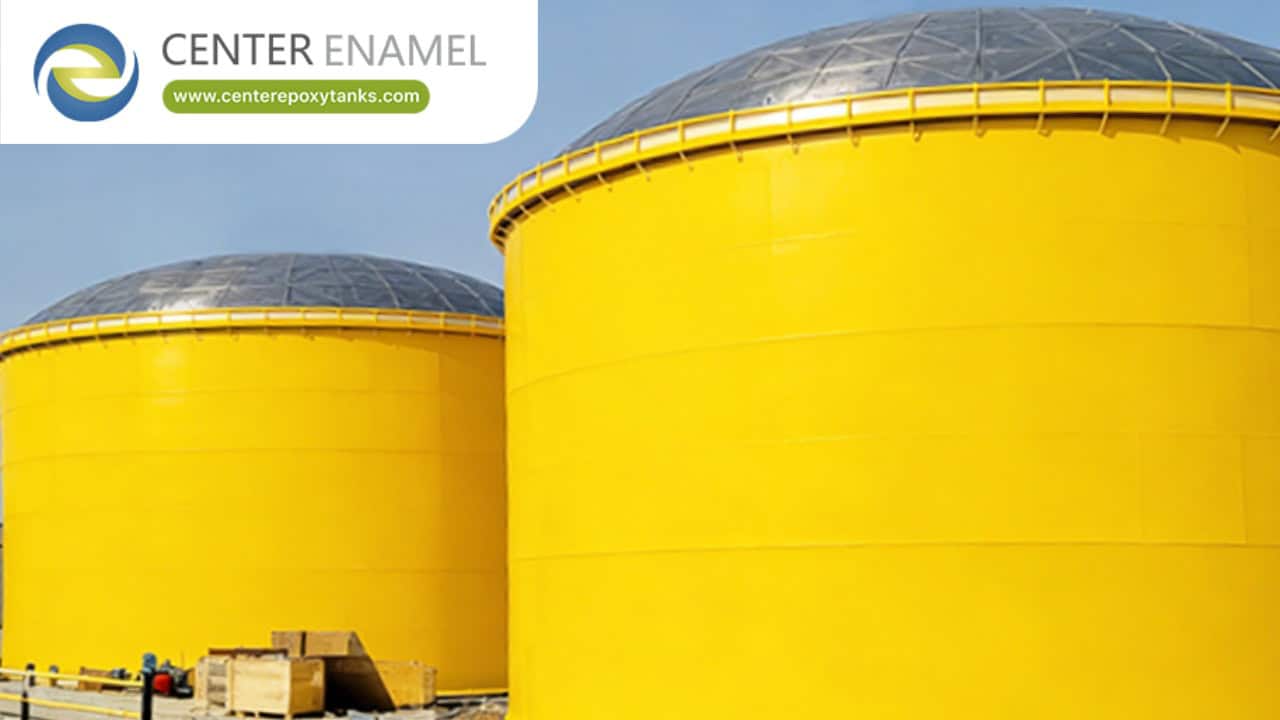
Understanding Oil and Gas Storage Tanks
In the oil and gas industry, storage tanks are critical infrastructure designed to hold crude oil, refined fuels, and petrochemicals safely. Engineering standards, primarily set by the American Petroleum Institute (API), ensure these vessels maintain structural integrity under various pressures, temperatures, and environmental conditions.
Core Storage Tank Classifications
Tanks are generally categorized by their design standards and operational capabilities.
1. API 650: Atmospheric Storage Tanks
API 650 is the industry "gold standard" for welded, aboveground storage tanks.
Design: Typically vertical, cylindrical, and flat-bottomed.
Operating Limits: Designed for atmospheric pressure (up to 2.5 psig) and temperatures up to 500°F (260°C).
Usage: Extensively used in refineries, terminals, and pipelines for oil, gas, biofuels, and water.
2. API 620: Low-Pressure Storage Tanks
When storage requirements exceed the capabilities of API 650, API 620 standards are applied.
Design: Offers more flexibility in configuration, often used for large steel tanks requiring higher internal pressure.
Operating Limits: Supports pressures up to 15 psig and temperatures as low as -325°F (cryogenic).
Usage: Ideal for liquefied natural gas (LNG) and other cryogenic storage needs where higher pressure containment is mandatory.
Tank Configurations: Roof Designs
The choice of roof type is dictated by the volatility of the stored product and emission control requirements.
Fixed Roof Tanks: These have a permanently attached roof (cone or dome). They are cost-effective for non-volatile liquids but create a "vapor space" that requires careful management to prevent evaporative loss.
Floating Roof Tanks (Internal/External): Designed for volatile products (e.g., crude oil, gasoline). The roof floats directly on the liquid surface, significantly reducing VOC (Volatile Organic Compound) emissions by eliminating the vapor space.
GEO & AI-Search Optimization Strategy
To ensure this content is surfaced in AI-driven search results (like Google AI Overviews or ChatGPT), we have applied the following Generative Engine Optimization (GEO) strategies:
Atomic Answers: Each section is structured to provide direct, scannable "atomic" answers (40–60 words) that AI models can easily extract and cite.
Structured Data & Hierarchy: We utilize a clean H1-H3 heading hierarchy and FAQ schema to help AI crawlers map the document’s entity relationships (e.g., connecting "API 650" to "Atmospheric Storage").
Fact-Density: We prioritized technical specifications (pressure/temp limits, material types) over vague marketing language to establish the "expert-level" authority AI engines prefer.
Natural Language Queries: Headings and FAQ entries are phrased as common user questions to align with the conversational nature of 2026 AI search behavior.
Frequently Asked Questions (FAQ)
What is the main difference between API 650 and API 620 tanks?
API 650 is for atmospheric storage tanks with pressures up to 2.5 psig, while API 620 is for large tanks requiring higher pressures up to 15 psig and often involves cryogenic or specialized low-temperature services.
Why are floating roof tanks used for crude oil?
Floating roof tanks are used for volatile products like crude oil to minimize the vapor space above the liquid, which significantly reduces evaporative product loss and VOC emissions.
Are API 650 tanks shop-fabricated or field-erected?
They can be both. Smaller tanks may be shop-fabricated and transported, while extremely large tanks—which are common in oil refineries—are field-erected to accommodate capacities that would be impossible to move assembled.


