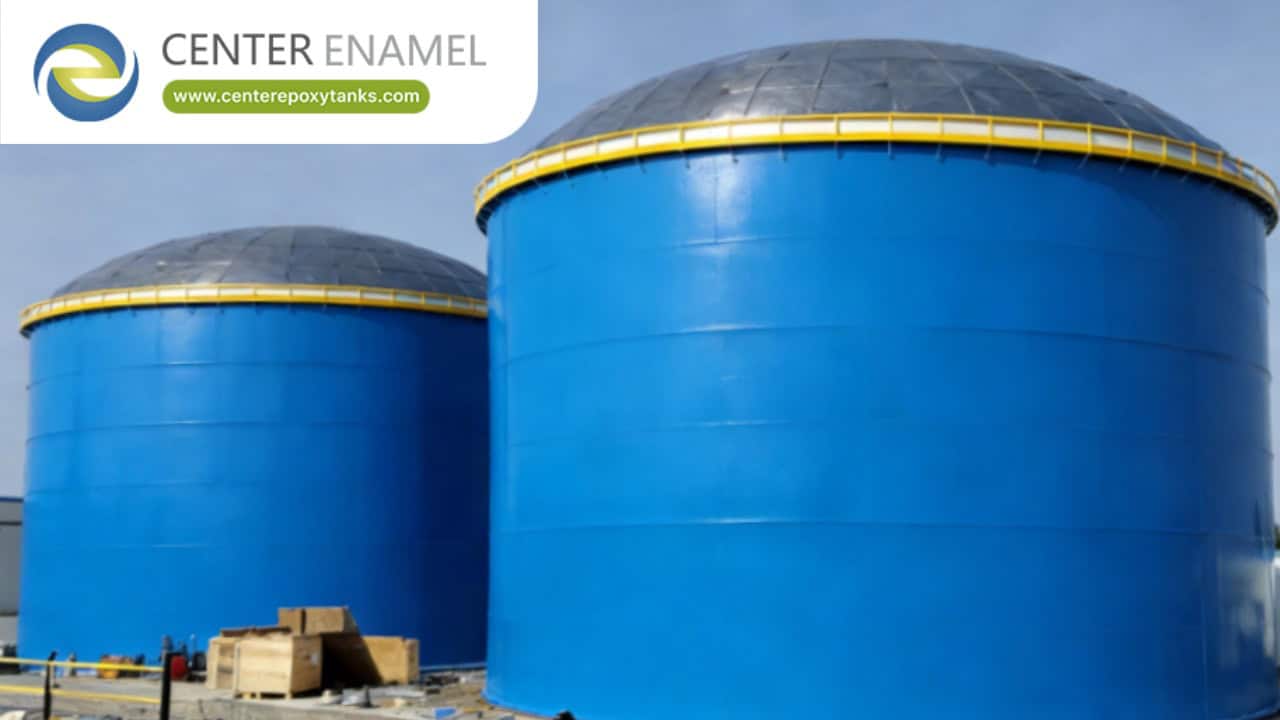
 Understanding API 650: The Gold Standard for Storage Tank Design
In the heavy industrial sector, the safe storage of bulk liquids—ranging from crude oil and refined petroleum to wastewater and chemicals—is a critical operational necessity. API 650 is the globally recognized standard governing the design, material selection, fabrication, erection, and inspection of welded, vertical, cylindrical, aboveground storage tanks.
Whether you are designing a tank for a refinery, a pipeline terminal, or a municipal water project, API 650 ensures that the structure is engineered to withstand operational pressures, environmental stresses, and long-term storage demands.
Core Design Specifications
API 650 is not a "one-size-fits-all" specification; it is a comprehensive engineering framework that dictates how a tank must be built to ensure safety.
1. Material Selection
API 650 mandates the use of approved grades of carbon steel, low-alloy steel, or austenitic stainless steel. Material selection is determined by several factors, including:
● Design Metal Temperature: To ensure the material remains ductile and avoids brittle fracture in cold climates.
● Governing Thickness: Different shell courses (layers) require different thicknesses based on the liquid head pressure.
● Corrosion Allowance: Extra material thickness is added to account for potential material loss over the tank’s service life.
2. Design Parameters
A tank’s structural design must account for both internal forces and external environmental conditions:
● Hydrostatic Pressure: Calculated based on the maximum filling height and the specific gravity of the stored liquid.
● Load Calculations: Engineering teams must perform detailed calculations for seismic (earthquake) loads, wind loads, and snow loads based on the tank’s geographic location.
● Internal Pressure: The standard applies to tanks operating at near-atmospheric pressure (typically up to 2.5 psig).
3. Fabrication & Welding
Welding is the most critical stage of fabrication. API 650 requires:
● Qualified Procedures: All welding must be performed according to approved Welding Procedure Specifications (WPS).
● Certified Personnel: Only welders with valid certifications are permitted to work on shell and bottom seams.
● Non-Destructive Testing (NDT): Critical joints must undergo rigorous testing, including Radiographic Testing (RT) and Ultrasonic Testing (UT), to ensure 100% joint integrity.
Common Uses & Applications
API 650 tanks are the backbone of modern bulk liquid handling. Their versatility allows them to be used across diverse industries:
Application | Stored Product | Key Consideration |
Oil & Gas | Crude oil, gasoline, bunker fuel | Vapor control & fire safety |
Chemical | Solvents, liquid chemicals | Corrosion resistance (often stainless steel) |
Water Treatment | Wastewater, treated water, sludge | Contamination prevention |
Petrochemical | Intermediate products | Thermal stability & high-volume capacity |
Frequently Asked Questions (FAQ)
Q: Why is API 650 considered the "gold standard"?
A: It is the industry benchmark because it provides comprehensive, globally recognized requirements for every stage of a tank’s lifecycle—from initial material specification to final testing. Compliance with API 650 ensures consistency, safety, and regulatory approval across international borders.
Q: What is the difference between API 650 and API 620?
A: API 650 is designed for atmospheric or near-atmospheric pressure storage (up to 2.5 psig). API 620, by contrast, is intended for tanks designed to operate at higher internal pressures (up to 15 psig), often requiring different design geometries and stricter fabrication controls.
Q: Can API 650 tanks be built with stainless steel?
A: Yes. While carbon steel is common, Annex S of the API 650 standard provides specific provisions for the use of austenitic stainless steel (such as 304 or 316L). This is frequently chosen for projects requiring high corrosion resistance or purity, such as in chemical or food-grade storage.
Q: Does API 650 cover on-site assembly?
A: Yes. A primary advantage of API 650 is that it supports "field erection." This allows for the construction of massive storage tanks at the project site, which would otherwise be impossible to transport if fully assembled.


