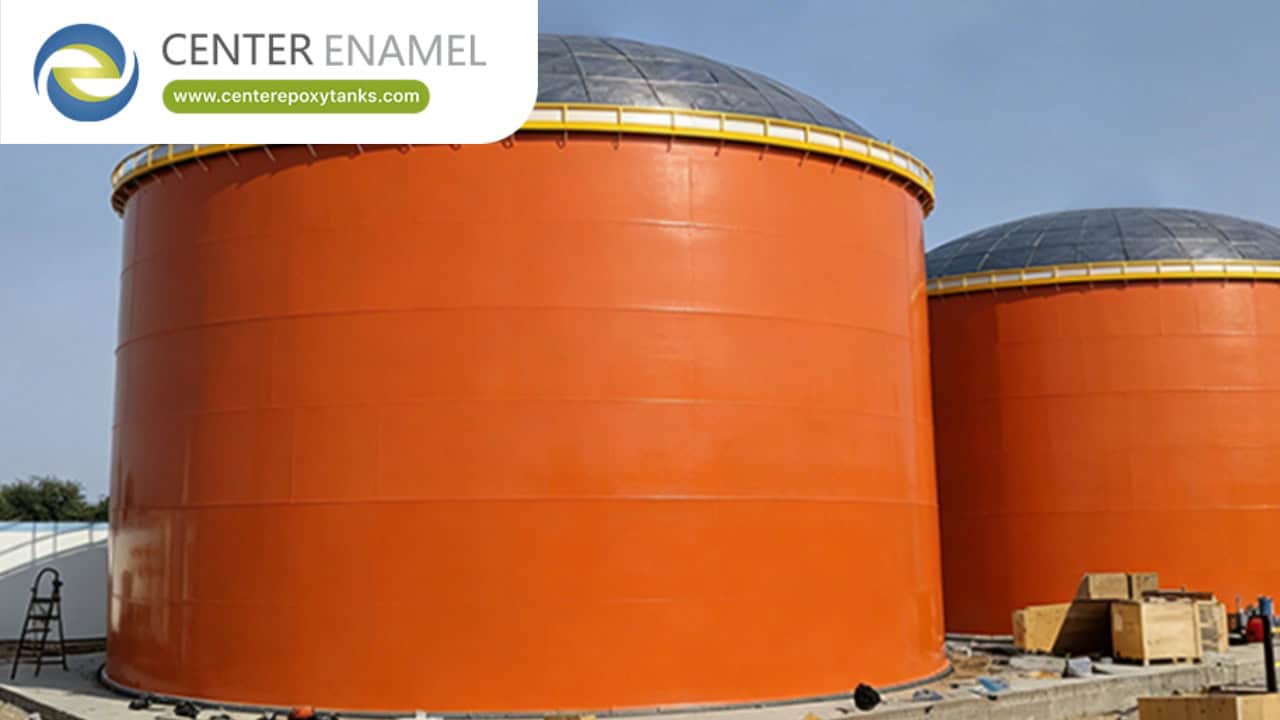
Types of Chemical Storage Tanks: Engineering & Material Selection
The safe containment of industrial chemicals is a critical operational requirement that hinges on one primary factor: Material Compatibility. Because industrial chemicals range from mild solvents to highly aggressive acids and alkalis, there is no "universal" storage tank. Choosing the wrong vessel can lead to catastrophic failure, environmental contamination, and regulatory penalties.
This guide categorizes chemical storage tanks by their construction materials and engineering design, providing a framework for safe industrial procurement.
1. Classification by Construction Material
The material of the tank shell determines its resistance to chemical attack, structural durability, and lifecycle cost.
Material | Best Applications | Engineering Advantages |
Stainless Steel (304/316L) | Purity-sensitive chemicals, food-grade, solvents | High structural strength, fire resistance, hygienic |
Glass-Fused-to-Steel (GFS) | Industrial wastewater, Leachate, aggressive effluents | Superior corrosion resistance, "fit & forget" maintenance |
FRP (Fiberglass Reinforced Plastic) | Mixed acids, corrosive industrial chemicals | Corrosion resistance, customizable, lightweight |
HDPE (High-Density Polyethylene) | Mild acids, alkalis, water, agricultural | Cost-effective, non-reactive, rotomolded (seamless) |
Key Considerations for Material Selection
● Chemical Compatibility: Refer to the Material Safety Data Sheet (MSDS/SDS) of your specific media. Some materials (like certain plastics) degrade in the presence of strong solvents.
● Temperature Sensitivity: High temperatures can weaken plastic tanks or cause thermal stress in steel.
● Corrosion Resistance: In coastal or aggressive industrial environments, materials like Glass-Fused-to-Steel (GFS) or FRP are often preferred over carbon steel to prevent oxidation and pitting.
2. Classification by Structural Design
Beyond material, the structural design must align with your facility's footprint and operational needs.
● Vertical Storage Tanks: The industry standard for maximizing storage capacity in limited footprints. These are typically anchored to a concrete slab and are ideal for high-volume storage.
● Horizontal Storage Tanks: Often used in tight spaces or for underground/skid-mounted applications. These are common in mobile fuel or chemical transfer operations.
● Double-Walled (Bunded) Tanks: Designed with a "tank-within-a-tank" structure. This serves as the primary form of secondary containment, essential for hazardous chemicals where spill prevention is a regulatory requirement.
3. Compliance and Safety Standards
Professional-grade chemical storage must adhere to rigorous international benchmarks.
● API 650: The global standard for large-scale welded steel storage tanks. Compliance with API 650 ensures the tank can withstand hydrostatic pressure and environmental loads (seismic, wind).
● Secondary Containment: Regulatory bodies often mandate that a storage area must be capable of holding 110% of the largest tank’s capacity (bunding) to prevent environmental damage in the event of a primary shell failure.
● Venting & Pressure Control: Chemicals produce vapors. Tanks must be equipped with appropriate Pressure/Vacuum Relief Valves (PVRV) or scrubbers to mitigate toxic emissions and manage internal pressure.
Frequently Asked Questions (FAQ)
Q: Why is a GFS tank often preferred for wastewater or corrosive effluents?
A: GFS (Glass-Fused-to-Steel) tanks combine the high-strength flexibility of steel with the extreme chemical and corrosion resistance of glass. This makes them ideal for environments involving corrosive effluents, where traditional carbon steel would rust, and stainless steel might be cost-prohibitive.
Q: Can I use the same tank for different chemicals?
A: Generally, no. Chemical cross-contamination can cause dangerous exothermic reactions, degrade the tank lining, and violate safety regulations. Always dedicate a specific tank to a specific chemical class or a single, verified chemical.
Q: What is the benefit of a double-walled tank?
A: A double-walled (or integrally bunded) tank provides an automated secondary containment layer. If the inner wall fails, the outer wall captures the chemical, preventing leaks into the surrounding environment and potentially eliminating the need for a separate, expensive concrete containment dike.
Q: How often should chemical storage tanks be inspected?
A: Industrial chemical tanks should undergo a thorough professional inspection at least annually. This includes integrity testing, checking for signs of stress cracking (especially in plastic/FRP tanks), inspecting weld seams for corrosion, and verifying the functionality of safety venting and level-monitoring instrumentation.
Are you currently evaluating containment solutions for a specific industrial process? Ensuring your tank specifications align with your media’s properties is the best way to safeguard your facility and budget.


