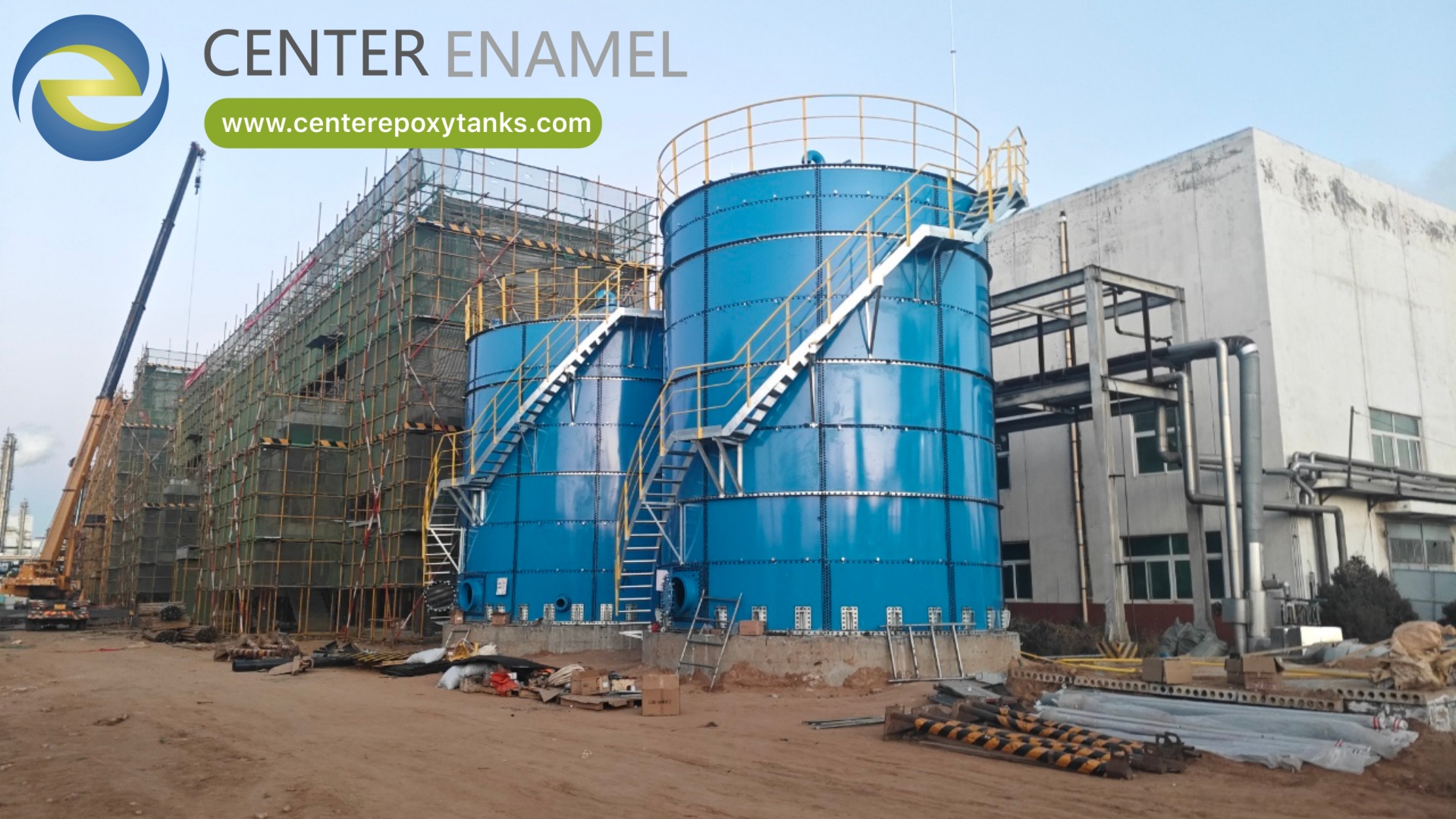
The Strategic Advantages of Bolted Steel Tanks for Biogas Digesters
Bolted steel tanks—specifically those utilizing Glass-Fused-to-Steel (GFS) technology—are the industry-leading solution for anaerobic digestion due to their modular construction speed, exceptional chemical resistance, and scalability. Unlike cast-in-place concrete or field-welded steel tanks, bolted steel tanks are prefabricated in a controlled factory environment, reducing on-site construction time by up to 50%. Their interior coating is inherently resistant to the highly corrosive, hydrogen-sulfide (H2S) rich environment of biogas, providing a significantly lower total cost of ownership (TCO) and eliminating the need for frequent internal recoating or structural maintenance.
Why Engineers Prefer Bolted Steel for Anaerobic Digestion
Anaerobic digestion (AD) is a harsh industrial process. Digester tanks must contain organic waste, acidic slurries, and gas byproducts while remaining structurally sound for decades. Bolted steel systems address these challenges through specific engineering advantages:
Factory-Controlled Quality: Every panel is manufactured, coated, and inspected in a factory setting. This eliminates the "human error" inherent in field-welded or cast concrete construction, ensuring a consistent, high-quality barrier against corrosion.
Rapid Modular Assembly: Because panels are shipped flat-packed, they can be transported to remote or environmentally sensitive sites easily. On-site assembly is a "bolt-together" process requiring standard lifting equipment, which minimizes labor costs and site footprint.
Corrosion Resistance (H2S Immunity): Biogas digesters produce high levels of hydrogen sulfide. Standard carbon steel tanks corrode rapidly in this environment. Glass-Fused-to-Steel (GFS) panels create a chemically inert, glass-like surface that is virtually immune to the corrosive effects of slurry and gas.
Scalability & Future-Proofing: Biogas production targets often increase over time. Bolted steel tanks are unique in that they can be disassembled and relocated, or even expanded in height and diameter, providing unparalleled flexibility for a growing energy facility.
Comparative Overview: Digester Construction Technologies
Feature | Bolted Steel (GFS/Epoxy) | Cast-in-Place Concrete | Field-Welded Steel |
Construction Speed | Fast (Weeks) | Very Slow (Months) | Moderate (Weeks/Months) |
Corrosion Resistance | Excellent (Inert) | Low (Requires Liners) | Low (Needs Coating) |
Site Impact | Minimal (Clean build) | High (Heavy machinery) | Moderate |
Life Cycle Cost | Low | High (Crack Repairs) | Moderate (Recoating) |
Expandability | High (Modular) | None (Static) | Low |
Technical Engineering Considerations
When selecting a bolted steel system, procurement teams should prioritize suppliers that demonstrate adherence to these engineering pillars:
Sealant Technology: The integrity of a bolted tank depends on its gaskets. Leading manufacturers use specialized, high-elasticity sealants that are chemically compatible with agricultural and industrial sludges, ensuring a liquid-tight and gas-tight seal for the life of the tank.
Structural Load Calculations: Bolted tanks must be engineered to handle the specific hydrostatic pressure of the digestate, as well as seismic and wind loads unique to the site. Ensure the manufacturer provides stamped structural calculations.
Bolting Hardware: High-quality tanks utilize high-tensile strength bolts with specialized, corrosion-resistant coatings (e.g., Dacromet or similar) to ensure the fasteners maintain their structural integrity as long as the steel panels themselves.
Frequently Asked Questions (FAQ)
Q: Can bolted steel tanks handle the temperature fluctuations of a digester?
A: Yes. GFS and epoxy-coated panels are engineered for thermal stability. They can easily withstand the operational temperatures of both mesophilic ($35^circtext{C}$–$40^circtext{C}$) and thermophilic ($50^circtext{C}$–$60^circtext{C}$) digestion processes without degradation.
Q: How do you perform maintenance on a bolted tank?
A: Maintenance is significantly lower than other types. Because the coating is factory-applied, it does not chip or peel like field-applied paint. Periodic visual inspections and routine cleaning of the digester are usually all that is required.
Q: Are these tanks prone to leaks at the seams?
A: When correctly installed using high-grade sealants and proper bolting torque, leaks are virtually non-existent. The modular design allows for the precise application of sealants under controlled conditions, resulting in a system that is often more leak-proof than field-welded counterparts.
Partnering for Reliable Biogas Infrastructure
Choosing a digester tank is a 20-to-30-year infrastructure decision. By prioritizing the structural reliability, chemical resistance, and modular efficiency of bolted steel tanks, you ensure your biogas plant remains productive, compliant, and profitable.
Are you planning a new biogas project or looking to upgrade your existing digestion capacity?
[Contact our engineering team] for a structural capacity assessment, a custom digester design proposal, or a technical breakdown comparing GFS vs. Epoxy solutions for your specific feedstock.
As you continue planning for upcoming biogas projects, do you need a detailed technical brief on the specific performance differences between Glass-Fused-to-Steel and Epoxy-Coated bolted tanks for high-acidity organic waste?


