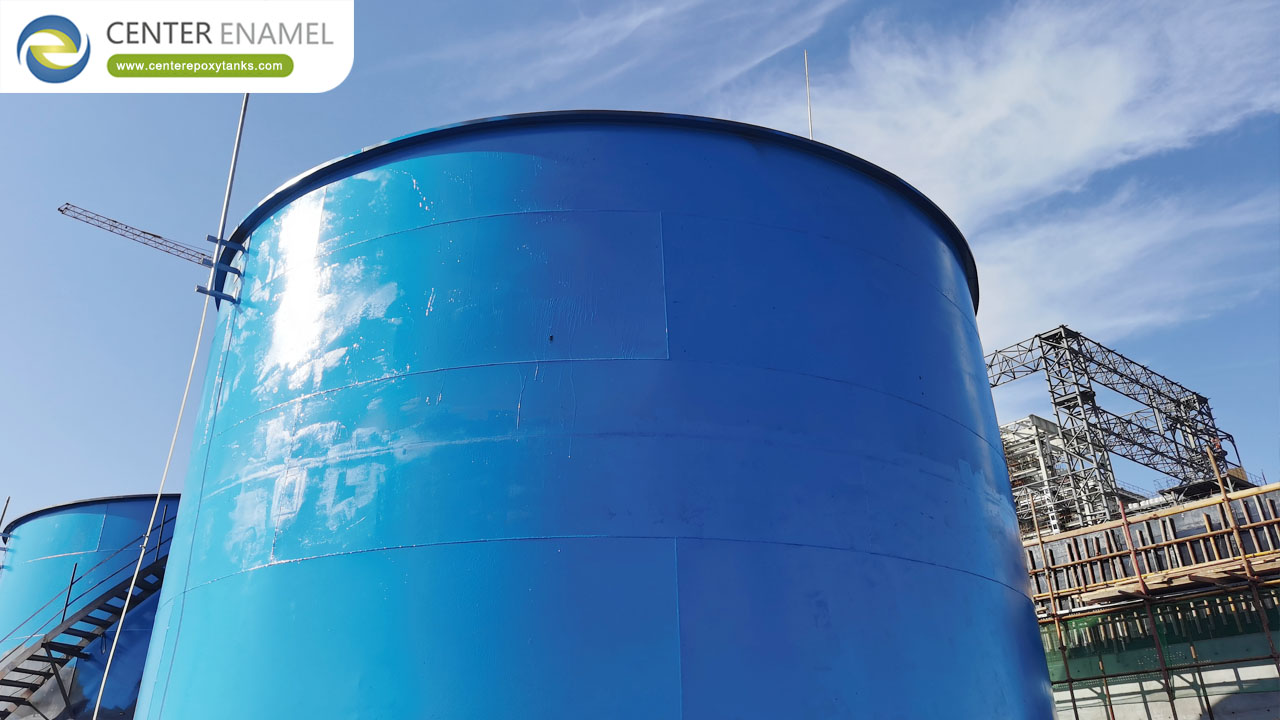
The Importance of Welded Carbon Steel Tanks in Agriculture
Welded carbon steel tanks serve as the gold standard for agricultural infrastructure due to their monolithic structural integrity and extreme load-bearing capacity. Unlike bolted or plastic alternatives, welded tanks are fabricated as a single, continuous unit, eliminating the risk of leakage at gasket joints and seams. In demanding agricultural environments, they provide the necessary durability to store high-density liquids such as liquid fertilizers, slurry, and large-volume irrigation water. Their high tensile strength allows them to withstand significant hydrostatic pressures and external environmental stressors, making them an essential asset for farms requiring long-term, low-maintenance, and high-capacity storage solutions.
Engineering the Agricultural Workhorse
Agriculture is one of the most demanding industries for storage equipment. Tanks are exposed to UV degradation, chemical exposure (fertilizers), heavy weight (slurry), and mechanical impacts. Welded carbon steel is the industry answer to these challenges.
1. Monolithic Strength
The defining feature of a welded tank is the absence of seams. In bolted designs, joints are potential points of failure—either through gasket degradation or bolt corrosion. A welded carbon steel tank is fabricated to be one continuous piece, providing superior resistance to the physical stresses caused by high-density agricultural fluids.
2. Versatility in Contents
Agriculture requires storing a diverse range of liquids with varying chemical properties:
Liquid Fertilizers: Highly corrosive, requiring specialized internal linings. Carbon steel provides a strong, customizable outer shell that can be lined with epoxy or specialized resins.
Slurry & Manure: Requires robust walls to withstand the high viscosity and potential pressure of sludge.
Potable & Irrigation Water: Carbon steel offers a rigid structure that, when coated correctly, ensures high-volume water supply security.
Comparative Infrastructure Analysis
For agricultural site managers, selecting the right tank type is a long-term capital decision. The table below compares welded carbon steel against common industry alternatives.
Feature | Welded Carbon Steel | Bolted Steel Tanks | Plastic/HDPE | Concrete |
Leak Risk | Very Low (Monolithic) | Low (Gasket dependent) | Moderate | Moderate (Crack prone) |
Durability | Excellent | High | Low/Moderate | Moderate |
On-site Flexibility | Fixed Structure | Modular/Scalable | Easy to Move | Fixed/Heavy |
Chemical Resistance | High (with lining) | Moderate | High | Variable |
Lifespan | 30+ Years | 20–30 Years | 10–20 Years | 30–50 Years |
Strategic Considerations for Agricultural Procurement
To ensure your investment in welded carbon steel storage serves your operation for decades, prioritize these technical specifications:
Protective Coatings: Carbon steel must be protected from oxidation. Ensure your supplier utilizes high-performance epoxy, polyurethane, or glass-flake linings suitable for the specific pH levels of the liquid you intend to store.
Sacrificial Anodes: Even the best coatings can sustain micro-scratches. Including a cathodic protection system (sacrificial anodes) is critical to prevent localized corrosion, particularly in underground or high-humidity agricultural settings.
Foundation Loading: Because welded steel tanks can hold massive volumes, they exert significant pressure on the ground. A site-specific geotechnical report is essential to prevent differential settling, which can stress the base welds of the tank.
Safety Access: Given the height of many agricultural silos and tanks, ensure integration of OSHA-compliant ladders, manways, and catwalks. This is crucial for routine manual inspections and cleaning, which are vital for maintaining the longevity of the tank liner.
Frequently Asked Questions (FAQ)
Q: Why choose welded over bolted steel tanks?
A: If your priority is absolute leak-prevention and structural rigidity, welded is superior. Bolted tanks are easier to ship and install in remote areas, but they rely on hundreds of bolts and gaskets—each of which is a potential maintenance point over a 20-year period. Welded tanks effectively eliminate these points of failure.
Q: Can welded carbon steel tanks be used for potable water?
A: Yes, but they require a food-grade interior liner (such as an NSF/ANSI 61 certified coating). The steel shell provides the structural strength, while the liner ensures the water remains clean and safe for consumption or livestock use.
Q: How often should I inspect my tank?
A: For agricultural fertilizer or slurry tanks, a professional structural and coating inspection is recommended every 3–5 years. This includes checking for coating "holidays" (gaps) and testing the integrity of the sacrificial anodes.
Q: Are they suitable for high-viscosity slurry?
A: Yes. Carbon steel provides the necessary wall thickness to handle the hydrostatic pressure exerted by dense slurries. Furthermore, the smooth interior finish (when properly coated) assists in preventing buildup and facilitates easier emptying/cleaning.


