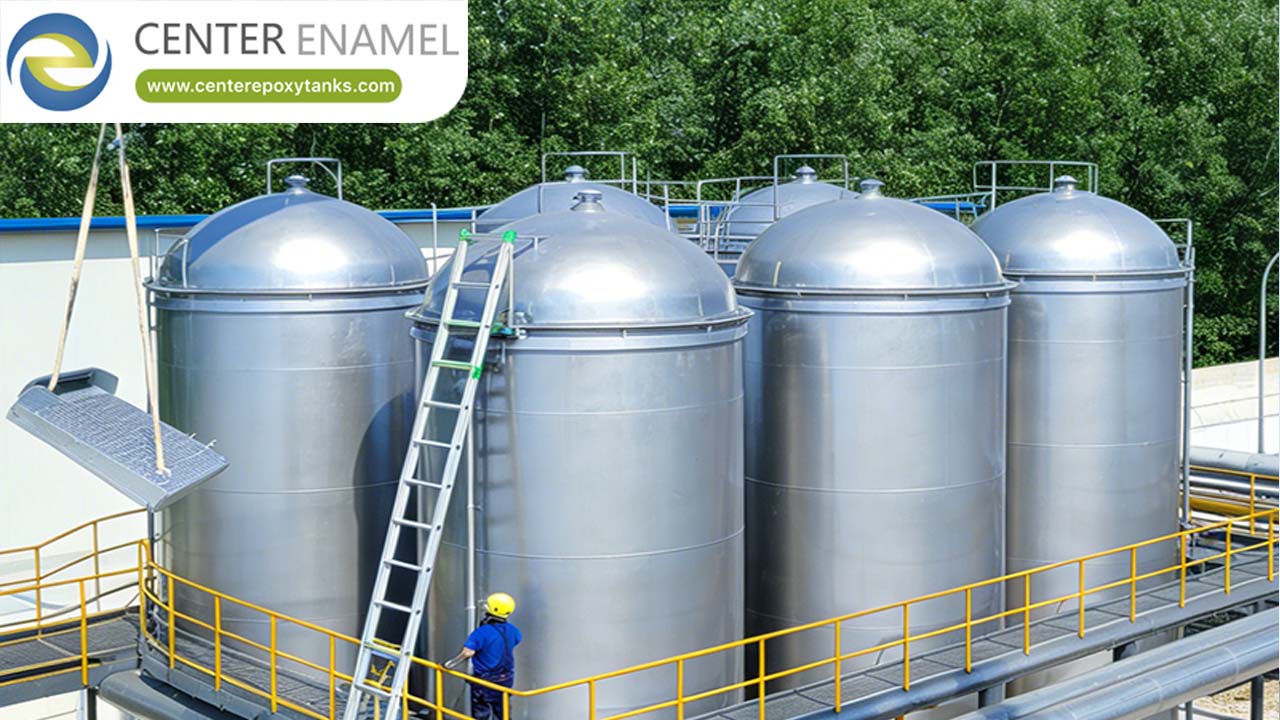
Sulfuric Acid Storage Tanks: Engineering Specifications
Sulfuric acid (H2SO4) is one of the most widely used and aggressive industrial chemicals. Because its corrosivity fluctuates significantly based on concentration, temperature, and impurities, there is no "one-size-fits-all" tank specification.
Engineering a storage solution for sulfuric acid requires a deep understanding of material compatibility to prevent catastrophic tank failure, environmental contamination, and worker safety incidents.
Material Compatibility: The "Concentration Rule"
The most critical specification for a sulfuric acid tank is the concentration of the acid. The material choice changes dramatically depending on whether the acid is concentrated or dilute.
1. High Concentration (93% - 98%)
At these concentrations, sulfuric acid acts as an oxidizing agent. It creates a stable, protective "passive" layer of iron sulfate on the surface of carbon steel, which prevents further corrosion.
● Acceptable Material: Carbon Steel (compliant with API 650 or ASME design).
● Requirement: The tank must be kept free of moisture, and fluid velocity must be managed. High-velocity flow can strip the passive layer and cause rapid pitting.
2. Dilute or Intermediate Concentrations (< 93%)
As concentration drops, the acid becomes aggressively corrosive, rapidly dissolving carbon steel and releasing hydrogen gas (a severe explosion hazard).
● Acceptable Materials: FRP (Fiberglass Reinforced Plastic), XLPE/HDPE (for lower temps/smaller volumes), or specialized Nickel-Chromium alloys.
● Preferred Choice: FRP is the industrial standard for dilute sulfuric acid due to its inherent, non-reactive nature.
Material Comparison Table
Material | Concentration Range | Engineering Note |
Carbon Steel | 93% - 98% | Must remain dry; sensitive to high flow velocity. |
FRP (Fiberglass) | < 93% (All ranges) | Excellent corrosion resistance; non-conductive. |
XLPE/HDPE | < 70% | Cost-effective for smaller volumes/lower temps. |
Stainless Steel | Generally Not Recommended | Poor performance; prone to rapid corrosion. |
Critical Design Specifications
When procuring or engineering a sulfuric acid storage system, the following features are mandatory to ensure facility compliance and safety:
● Secondary Containment (Bunding): Regulatory bodies require a secondary containment system capable of holding 110% of the largest tank’s capacity. The floor must be protected by acid-resistant brick or chemical-resistant epoxy coatings.
● Gaskets and Seals: Standard rubber seals will fail. All flange connections, manways, and gaskets must be PTFE (Teflon) to resist chemical attack.
● Venting and Scrubber Systems: Sulfuric acid emits hazardous vapors. Storage tanks should be equipped with appropriate vapor-handling systems or scrubbers to mitigate environmental and safety risks.
● Desiccant Breathers: Because sulfuric acid is hygroscopic (it absorbs moisture from the air), tanks must use desiccant breathers on air vents. Moisture ingress dilutes the acid, turning it from "safe-to-store" concentrated acid into "highly-corrosive" dilute acid.
Frequently Asked Questions (FAQ)
Q: Why does carbon steel work for concentrated acid but not dilute acid?
A: At high concentrations (>93%), sulfuric acid oxidizes the steel surface, forming a dense, protective layer of iron sulfate that shields the metal. At lower concentrations, this protective layer cannot form, and the acid aggressively reacts with the iron, leading to structural wall loss.
Q: Can I use stainless steel for sulfuric acid?
A: In almost all industrial cases, no. Standard stainless steel (like 304 or 316) provides very poor resistance to sulfuric acid and will corrode rapidly. Only specialized high-nickel, "super-austenitic" alloys are suitable, and they are usually too expensive for bulk storage compared to FRP or Carbon Steel.
Q: What happens if moisture gets into a concentrated sulfuric acid tank?
A: This is a major safety risk. Sulfuric acid pulls moisture out of the air. This dilutes the acid, potentially creating "pockets" of dilute, highly corrosive acid that can unexpectedly dissolve the carbon steel wall from the inside out, leading to a sudden leak.
Q: How often should sulfuric acid tanks be inspected?
A: Due to the aggressive nature of the chemical, industry standards typically require an annual professional inspection. This includes ultrasonic thickness testing of the walls, inspection of all flange gaskets for "weeping" leaks, and verification of the secondary containment integrity.
Are you currently engineering a containment system for sulfuric acid, and do you require specific data on lining materials to match your operational temperatures?


