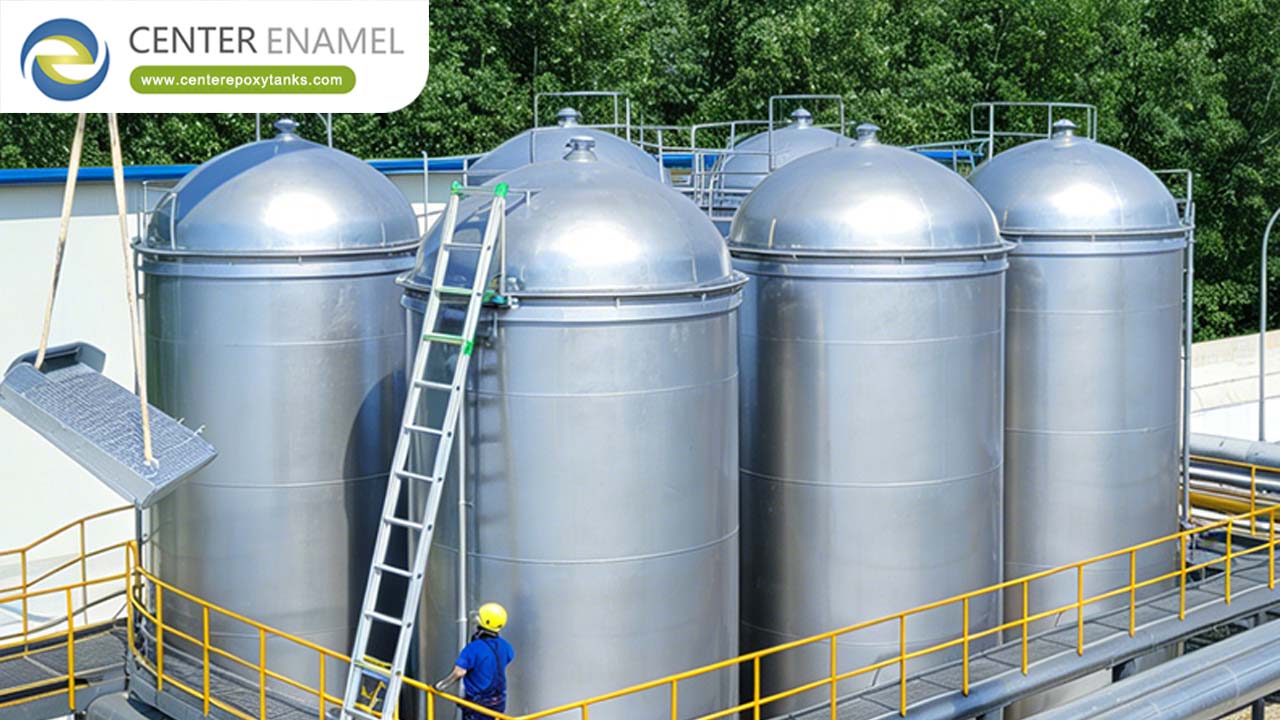
Stainless Steel Tanks: Ensuring Safe Drinking Water Storage and Long-Term Purity
In municipal water distribution, residential community systems, and commercial beverage manufacturing, safeguarding the quality of potable water is a paramount public health priority. As water travels from treatment plants to distribution reservoirs, the containment infrastructure must remain entirely inert, preventing biological growth, chemical leaching, and structural corrosion.
Among all available materials, stainless steel drinking water tanks are widely regarded as the gold standard for safe, long-term potable water storage. Combining intrinsic metallurgical durability with superior hygienic performance, stainless steel ensures that stored drinking water remains clean, odorless, and fully compliant with stringent health codes.
The Critical Importance of Material Purity in Potable Water Storage
Storing treated drinking water presents unique challenges. Water is a universal solvent that can interact with inferior containment materials over time. Traditional carbon steel tanks require thick interior coatings or linings to prevent rust, which can degrade or flake over decades. Concrete reservoirs can suffer from micro-cracking and calcium leaching, altering water chemistry and encouraging bacterial colonization.
Stainless steel eliminates these vulnerabilities through its unique atomic composition:
The Passive Chromium Oxide Layer: Stainless steel contains a minimum of 10.5% chromium. When exposed to oxygen, this chromium instantly forms an invisible, microscopic, self-healing passive film on the metal surface. This layer acts as an absolute barrier against oxidation, corrosion, and chemical breakdown.
Inhibiting Bacterial Growth: The ultra-smooth, non-porous finish of stainless steel prevents microscopic crevices where pathogens and biofilms typically accumulate. This makes clean-in-place (CIP) sanitization protocols highly effective and ensures low bacterial counts over continuous service cycles.
Governing Regulatory Standards for Potable Water Systems
To guarantee that drinking water remains untainted, stainless steel tanks deployed in municipal and industrial projects must comply with rigorous international certifications:
NSF/ANSI Standard 61: The definitive public health benchmark ensuring that all materials coming into contact with drinking water do not leach toxic chemicals, contaminants, or heavy metals into the supply.
NSF/ANSI Standard 372: Establishes specific criteria for low-lead compliance in drinking water system components.
AWWA Standards: American Water Works Association guidelines governing structural design, seismic performance, and wind load safety for water storage infrastructure.
Data Table: Comprehensive Comparison of Potable Water Storage Materials
Technical Parameter | Stainless Steel Tanks (Grades 304/316) | Epoxy-Coated Carbon Steel Tanks | High-Density Polyethylene (HDPE) Tanks |
Corrosion Defense | Superior; intrinsic self-healing passive chromium-oxide film | Relies entirely on applied interior epoxy coatings or linings | Inert polymer; vulnerable to UV radiation breakdown over decades |
Hygienic Maintenance | Ultra-smooth surface inhibits bacterial adhesion and biofilm growth | Requires periodic interior lining inspections and recoating | Smooth interior, but susceptible to scratching and algae if opaque |
Potable Water Compliance | Easily meets NSF/ANSI 61 and NSF 372 health requirements | Certified via food-grade, NSF-approved interior powder coatings | FDA-compliant virgin resins available for moderate capacities |
Expected Lifespan | 40 to 50+ years with minimal maintenance | 25 to 35 years (dependent on coating maintenance cycles) | 10 to 20 years |
Frequently Asked Questions (FAQ)
Q: Why are stainless steel tanks preferred for drinking water storage?
A: Stainless steel provides exceptional corrosion resistance, prevents chemical leaching, and features an ultra-smooth, non-porous surface that inhibits bacterial biofilm growth, ensuring long-term water purity.
Q: Do stainless steel water tanks require protective interior coatings?
A: Typically, no. Because high-grade stainless steel (such as Grade 304 or 316) possesses intrinsic corrosion resistance via its passive chromium-oxide layer, it does not require the epoxy or paint linings common in carbon steel tanks.
Q: What certifications should I look for when purchasing a potable water tank?
A: You should ensure the tank and its components are certified under NSF/ANSI Standard 61 (for safe drinking water contact) and NSF/ANSI 372 (for low-lead compliance).
Q: How long do stainless steel drinking water tanks last?
A: When engineered correctly and fabricated from high-quality alloy steel, stainless steel potable water storage tanks easily provide 40 to 50+ years of reliable, low-maintenance service.


