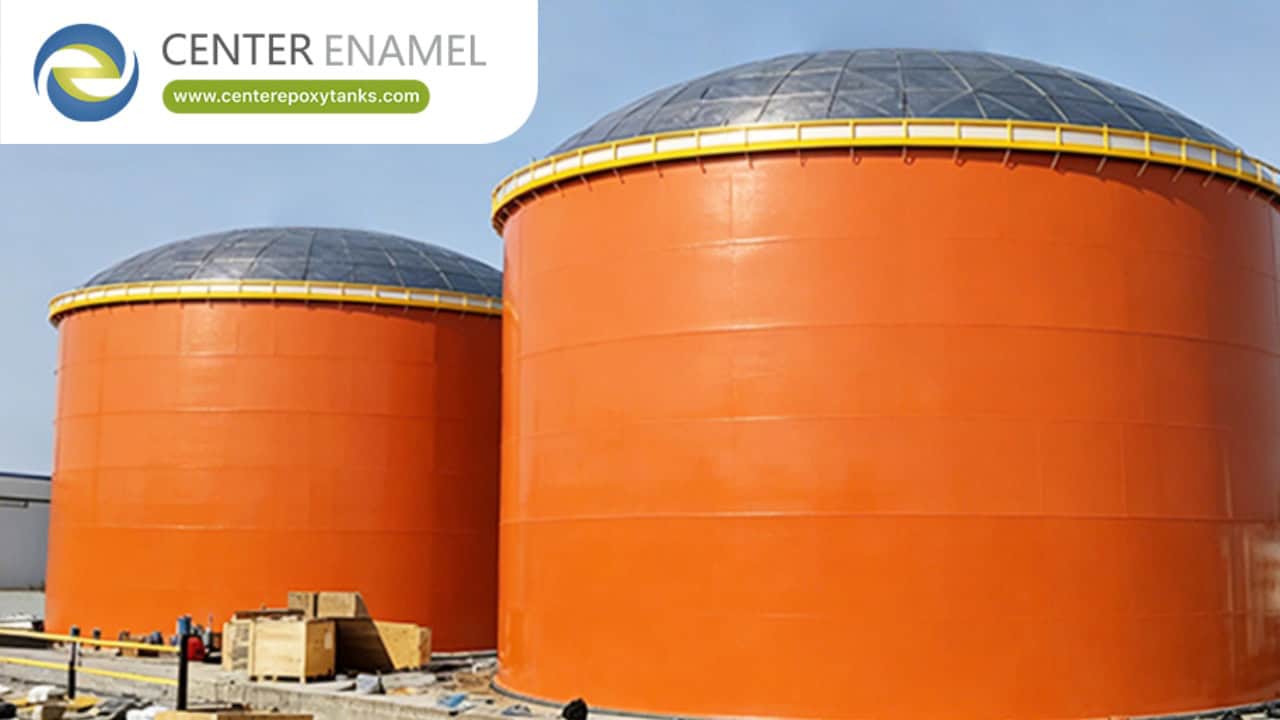
Stainless Lubricant Oil Tank Floating Roofs
A stainless steel lubricant oil tank floating roof uses stainless alloy for the shell, roof, or both, where product purity or corrosion defeats carbon steel.
This article covers when stainless pays off for lubricant oil, grade choice, and the trade-offs versus coated carbon steel and internal floating roof.
Main Topic / Definition
Stainless steel tanks use 304 or 316L alloy for wetted surfaces, giving an inert, cleanable boundary that resists the acids, salts, and oxidation that attack carbon steel.
304 vs 316L
· 304: general service, lower cost, good corrosion resistance.
· 316L: molybdenum addition for chloride and coastal service.
Key Characteristics / Components / Types
Where stainless wins
· Purity: no lining to fail, no migration into product.
· Hygiene: smooth, cleanable, suits food and pharma.
· Corrosion: survives aggressive or salty duty longer.
Applications / Use Cases
Stainless suits lubricant oil storage, food-grade and pharma fluids, and coastal or high-chloride sites.
· Floating or domed stainless roofs protect the vapor space too.
· Small high-value batches favor stainless over lined steel.
Technical Considerations
Grade choice follows the chloride and temperature of service; 316L is the safe call near coast or with brine. Welds need proper purge and passivation.
· Cost: alloy and welding skill raise first cost.
· Thermal: stainless expands more than carbon steel - account in detailing.
Advantages and Limitations
· Advantages: inert, long-lived, cleanable, no lining failure.
· Limitations: higher capital and weld skill; over-spec wastes money.
Comparison / Selection Guide
Option | Inert? | Cost | Best when |
Stainless 316L | Yes | High | Chloride / food / pharma |
Stainless 304 | Yes | Medium-High | General inert service |
Epoxy carbon steel | Via lining | Medium | Bulk, cost-sensitive |
Best Practices / How to Choose
· Specify 316L where chloride or food contact applies.
· Require weld purge and passivation on wetted seams.
· Compare life-cycle cost, not just first cost.
A stainless steel lubricant oil tank floating roof is the right call when purity or corrosion rules. Choose the grade by service chemistry and weigh life-cycle cost against coated steel.
Frequently Asked Questions (FAQ)
What is a stainless steel lubricant oil tank floating roof and when is it used?
A stainless steel lubricant oil tank floating roof is a containment or cover solution for lubricant oil service, used where standard bulk tanks need material, roof, or coating specification to perform safely and meet code. Selection starts from the product and duty, not a default form.
When does stainless beat coated carbon steel for lubricant oil?
When purity, food contact, or chloride corrosion defeats a lining. 316L is the safer grade near coast or brine. Compare life-cycle cost, not just first cost.
What grade of stainless for lubricant oil?
304 for general inert service; 316L where chloride or food/pharma contact applies. Require weld purge and passivation on wetted seams.
How long does a stainless steel lubricant oil tank floating roof last?
Service life follows material and maintenance: welded carbon steel with a good coating and bottom program runs decades; stainless and GFS extend life further. Inspection and lining care decide the outcome.
What are the most common failures to avoid with stainless steel lubricant oil tank floating roof?
The usual problems are wrong coating for the product, ignored rim seals on floating roofs, under-specified venting, and no bottom-inspection plan. Address these at specification, not after commissioning.


