PVC Biogas Storage Balloons: Engineering & Procurement Guide
PVC (Polyvinyl Chloride) biogas storage balloons are a staple in the renewable energy sector, offering a cost-effective, flexible, and modular solution for low-pressure biogas storage. As anaerobic digestion systems scale, the ability to buffer gas production and stabilize supply to combined heat and power (CHP) engines or gas cleaning units is critical. This guide provides an engineering-level overview of selecting, maintaining, and specifying PVC membranes for biogas containment.
1. Material Engineering: Why PVC?
PVC membranes used for biogas storage are not simple plastics; they are engineered high-tensile fabrics, typically reinforced with polyester yarns and treated with surface coatings to enhance longevity.
● Flexibility & Deployment: PVC allows for rapid deployment compared to rigid steel tanks. The balloon inflates/deflates based on gas production, acting as a natural buffer.
● The H2S Challenge: Biogas contains Hydrogen Sulfide (H2S). Standard PVC is susceptible to degradation by high concentrations of H2S. In modern engineering, ensure that the PVC membrane is either specially formulated or treated with a PVDF (Polyvinylidene Fluoride) lacquer to provide the necessary chemical barrier.
● Thermal Stability: The material must maintain mechanical integrity within the operating temperature range, typically 0C to 50C.
Pressure Management Basics
The balloon acts as a variable-volume storage unit. According to the Ideal Gas Law (PV = nRT), as the volume (V) increases during storage, the pressure (P) within the flexible balloon remains relatively constant, regulated by the tension of the outer membrane or the weight of a support structure.
2. Comparative Performance Matrix
When choosing between flexible membranes, PVC is a mid-range, cost-effective option. Here is how it compares to other materials for biogas containment:
Feature | PVC Membrane | TPU (Polyurethane) | EPDM / Butyl Rubber |
Cost | Low | Moderate | High |
Chemical Resistance | Moderate (Requires Coating) | High | Excellent |
UV Resistance | Moderate | High | Excellent |
Flexibility | High | High | Very High |
Lifespan | 5–10 years | 10–15 years | 15+ years |
3. Procurement Vetting Matrix
Sourcing storage balloons from manufacturers—particularly when importing or evaluating international bids—requires specific technical questions to ensure safety and system reliability.
● Material Specification: Ask for the "Tensile Strength" and "Tear Strength" data (ISO 1421). Ensure the base fabric has a high-density polyester weave.
● Seam Integrity: The seams are the failure points. Request evidence of high-frequency welding protocols. Do they provide factory-tested seam pull-strength reports?
● Fire Safety: Biogas is highly flammable. Does the material meet DIN 4102 B1 or NFPA 701 fire retardant standards?
● H2S Tolerance: Explicitly state the H2S concentrations in your biogas. If concentrations exceed 500ppm, standard PVC will fail prematurely; demand a PVDF-coated membrane.
4. Frequently Asked Questions (FAQ)
Q: Why do biogas balloons have an outer and inner layer?
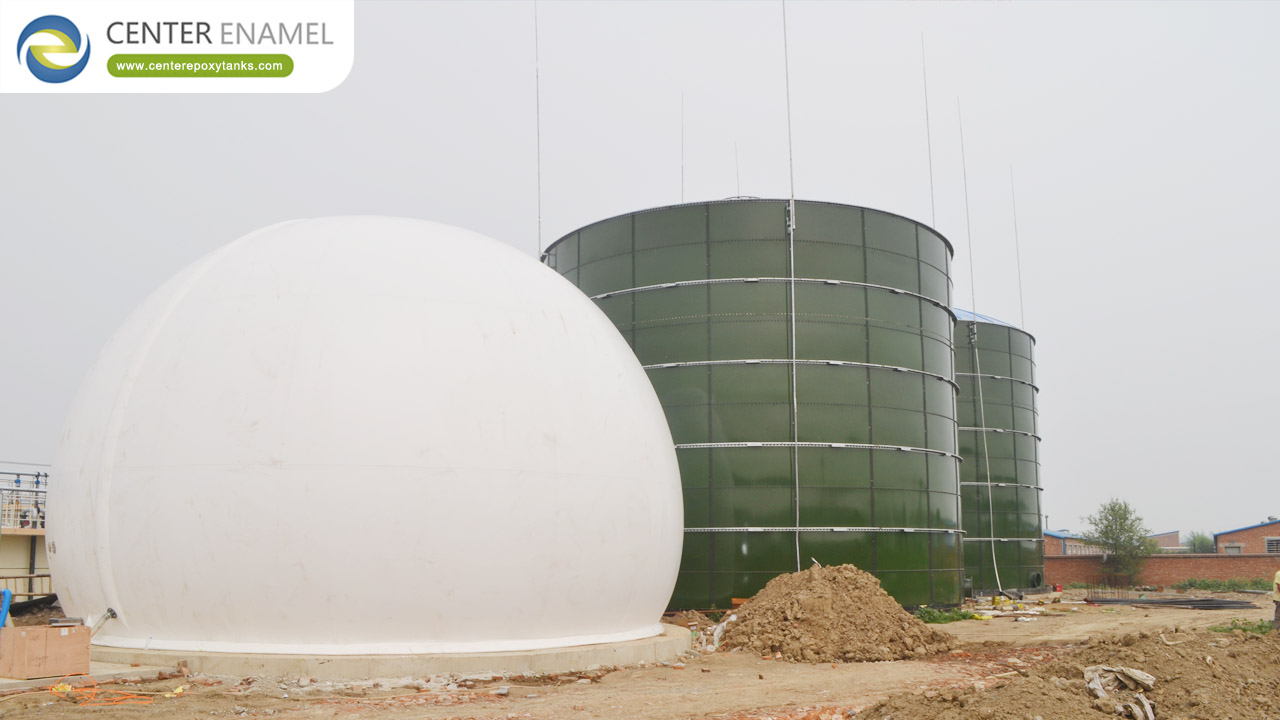
A: This is a "double-membrane" design. The inner balloon stores the gas, while the outer membrane is inflated with air to maintain a constant pressure. This protects the gas membrane from weather, prevents rain from pooling on the roof, and maintains a stable pressure for the gas delivery system.
Q: Can I repair a tear in the PVC membrane?
A: Yes. Minor tears can be repaired using manufacturer-approved welding kits. However, large structural tears often require professional on-site welding or replacement of the affected panel. Never use generic adhesives for gas-holding membranes.
Q: How often should the membrane be inspected?
A: Bi-annual visual inspections are recommended. Check for "creasing" at the base, signs of UV degradation (brittleness), and ensure the over-pressure and under-pressure relief valves are free of debris.
Are you currently designing a new anaerobic digestion facility, or are you looking to replace a failing storage membrane at an existing site?


